
Sosa Plumber: Outdoor Kitchen Plumbing in Georgetown
If you live in Georgetown and you’re planning an outdoor kitchen, plumbing is the piece that ties the whole experience together. Gas lines bring steady heat to a grill that lights every time. A dedicated sink keeps raw chicken away from your indoor prep space. A hose bib placed six feet from the smoker saves you a dozen steps. I have seen beautifully built patios go underused because the plumbing was an afterthought, and I’ve seen modest patios become the heart of a home because the utilities were practical, safe, and easy to maintain.
This is the work we do at Sosa Plumber, and it’s where judgment matters. Georgetown soils, Williamson County codes, and Texas weather create a specific set of conditions. Cookie-cutter plans don’t hold up. Thoughtful placement, the right materials, and a clean tie-in to your existing system do.
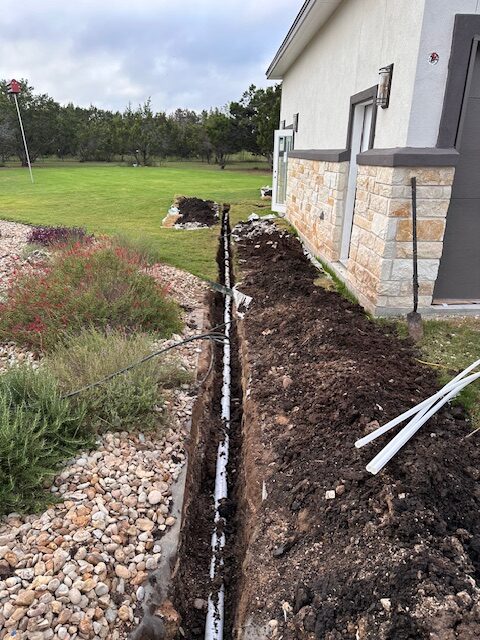
What makes outdoor kitchen plumbing different
On paper, plumbing is plumbing: supply lines carry water or gas, drains move waste, shutoffs isolate fixtures. Outside, the demands change. Sun and UV beat on pipe. Freeze-thaw cycles punish fittings. Small grade changes route stormwater in ways that can surprise you. Critters chew. Guests drag furniture across decks. A solution that works indoors for decades might fail fast outdoors.
We factor in three realities. First, durability against weather and movement. Second, serviceability, since you can’t open a drywall panel if a line is buried under pavers. Third, safety with gas and electricity in the mix. Those are the lenses that guide our choices and the conversations we have with homeowners.
Outdoor plumbing that fits Georgetown’s climate
A working outdoor kitchen in Central Texas has to tolerate heat, hard water, and winter snaps. Summer brings hose water hot enough to rinse dishes, which can be a convenience or a hazard depending on fixture choice. Late fall and early spring may drop below freezing for a night or two. Over a decade, those swings add up.
We route water lines with freeze resistance in mind. That often means PEX with proper insulation, sloped toward low-point drains, and valves that can be opened without moving a barbecue pit. Hose bibs or sillcocks rated for frost resistance help, but they are not magic. A bib that is properly pitched and free of trapped water stands up much longer. We also design for expansion, using bends rather than hard 90s where sensible, so thermal movement does not shear a joint.
Gas sees its own wear. Propane and natural gas lines live in soil that shifts during drought. We choose flexible transitions and corrosion-resistant materials. Where a grill island meets the patio slab, we plan a protected chase so gas lines don’t rub against masonry or rebar. Correct burial depth, tracer wire on nonmetallic lines, and stillness at the appliance connection are small choices that prevent leaks.
Water, gas, and drains: the right materials in the right places
Most people ask first about materials, and it’s the right question. Materials are commitment. Changing them later is expensive.
For water supply, PEX with a barrier layer holds up well in Georgetown’s heat and cooler nights. We use brass or stainless manifolds, not plastic, for outdoor runs. Where a line pops up into a cabinet, UV exposure becomes the enemy. PEX needs sleeving or a transition to copper or stainless in sunlight. You’ll hear different opinions on copper outside. It’s still a strong choice if installed correctly, insulated, and protected from contact with masonry that can corrode it over time. I reserve CPVC for sheltered, non-UV areas if a retrofit demands it, not for open runs.
Drains need slope that stays put. On a patio that moves a little with soil, a https://s3.us-west-1.amazonaws.com/sosa-plumbing-services/Plumber-Georgetown-TX/uncategorized/sosa-plumber-tips-protect-your-pipes-in-georgetown.html rigid, long, unsupported stretch of PVC can belly and hold water. We prevent that with compact runs, solid bedding, and mechanical support under cabinets. Where grease is likely, we install a small in-line grease trap or interceptor with a cleanout you can reach. Nobody loves cleaning a trap, but everyone loves a sink that doesn’t clog. For ice makers and beverage stations, we plan an air gap and, if code requires, a vacuum breaker on dedicated hose connections.
Gas lines outdoors are where I never push the limits. Black iron with protective coating or a listed corrugated stainless steel tubing system sized correctly will serve for decades. When we set a grill or a side burner, we add a shutoff at the stub out, then a quick-disconnect if the appliance needs to move. People often ask about running flexible gas hose inside a wall or slab. That’s not acceptable. We route permanent gas lines in approved materials and sleeves, then transition to flexible connectors only at the appliance, in a ventilated space.
Drainage and wastewater: where outdoor plans succeed or fail
One of the most common missteps in an outdoor kitchen is assuming you can point a sink drain to the yard and call it done. In many jurisdictions, including Georgetown and the broader Williamson County area, gray water carries rules. Tying a sink drain into an approved sanitary line keeps you compliant and avoids odors or pests. It also protects the downstream septic system if you’re on one. Outdoor kitchens that sit a long way from the house need careful fall, usually a quarter-inch per foot, and sometimes a lift solution when the grade doesn’t cooperate.
I’ve seen a few homeowners try to run a long, flat drain line under pavers because the elevation looked tight. After one season of heavy rain, the line bellied in two spots and held water. The fix meant pulling the pavers, re-compacting, and sleeving the drain with a rigid support. Spending a day with a laser level and compacted bedding at the start would have saved three days later.
If you’re adding a dishwasher outdoors, talk to your plumber early. Most residential outdoor setups skip this because of code limitations and temperature exposure, but it can be done in enclosed, conditioned cabinets designed for the purpose. It also changes the drain capacity you need.
Smart placement for sinks, grills, and appliances
The best layouts start with how you cook. If you love low and slow barbecue, you need a hose bib and a prep sink near the smoker, not tucked behind the refrigerator. If you cook for large groups, plan for two work triangles, each with a burner, a sliver of counter, and water in reach. The plumbing follows the use.
Sinks do the heavy lifting outside. The first question is whether you want cold only or hot and cold. For hot water, a compact, point-of-use electric heater under the sink often makes sense. Running a dedicated hot line from your indoor water heater may be possible, but voltage and breaker capacity for a small heater are usually easier, and you are not waiting thirty seconds for hot water to travel across the house. We add a mixing valve to set a realistic upper limit, usually around 120 degrees, to reduce scald risk.
As for the grill, know its BTU rating. A beginner mistake is undersizing the gas line. A high-end grill and a side burner can draw 80,000 to 120,000 BTU together. If you plan a pizza oven or a griddle later, size for the future and run a branch with a capped stub. It costs little to upsize a buried gas line during construction, and a lot to dig twice.
Ice makers and beverage centers deserve careful supply and drain planning. Ice makers hate hard water. In Georgetown, municipal water can run on the hard side, often over 10 grains per gallon. That means scale. A small cartridge filter and scale inhibitor upstream extends https://s3.us-west-1.amazonaws.com/sosa-plumbing-services/Plumber-Georgetown-TX/uncategorized/trusted-sosa-plumbing-company-preventive-care-that-pays-off.html appliance life and keeps cubes clear. We mount that filter where you can change it without a contortionist’s certificate.
Permits, code, and inspections that go smoothly
Permits exist to make sure your project is safe and legal. They also protect your resale value. Nothing cools a buyer’s enthusiasm like learning a beautiful outdoor kitchen lacks a permitted gas line or tied a sink into a storm drain. Sosa Plumbing Services handles permits for our projects, coordinates with the city, and arranges inspections at logical points so we don’t stall your build.
Timing matters. A rough-in inspection needs to happen before you pour a cap or set stone. For a typical outdoor kitchen, we plan an inspection after trenching and pipe placement, then a final once appliances are set and valves labeled. Having lived through a few frantic calls from homeowners who tiled over their only cleanout, I’ll say this plainly: decide where access panels go before the cabinets arrive.
Reliability through shutoffs, cleanouts, and access
Outdoor kitchens live longer when you can shut off water or gas quickly and when you can clear a blockage without tearing into stone. We build that in. Dedicated shutoffs in a small labeled box set away from the cook station can isolate the kitchen from the rest of the house. Low-point drains let you winterize in five minutes. Cleanouts placed just downstream of the sink trap let a small auger do its job, instead of a sledgehammer.
Access panels should not be an afterthought. A neat, powder-coated panel that aligns with the cabinet layout keeps your lines reachable and your kitchen uncluttered. I prefer magnetic or compression latches to cheap friction clips, which rattle in the wind and invite dust.
Preventing winter damage and summer headaches
Most homeowners ask how to keep pipes from freezing. The simplest answer is to give water a way out and shut off the supply. For clients who host year-round or maintain a covered, partially heated space, we add heat tape on the most exposed runs with a thermostat and GFCI protection. That said, heat tape is not a substitute for good pitch and isolation valves. If you flip a breaker or the tape fails, a well-sloped, drained line still sleeps safely.
Summer brings its own issues. Pressure at outdoor fixtures climbs with heat in closed lines. A pressure-reducing valve at the main and a thermal expansion tank keep stress off your system. Hot ambient conditions can soften hoses and seals. Quarterly visual checks during grilling season catch small drips before they leave stains on stone or cabinets.
The role of water quality
Hard water leaves scale in heaters, on faucets, and in ice makers. Outdoor appliances are often pricier than their indoor cousins, and scale shortens their life. If your home already has a whole-house softener, verify that the outdoor kitchen branch draws from the treated side. If not, treat locally. A small filter bank at the kitchen can include a sediment cartridge, a carbon cartridge for taste at the bar sink, and a scale inhibitor for the ice maker. Label them with change dates. I’ve seen $4,000 beverage centers limp along for months because a $30 filter quietly clogged.
Real timelines and transparent budgets
Clients often ask how long an outdoor kitchen plumbing job takes. It depends on scope and site. For a straightforward build near the house with water, gas, and a simple sink drain tying into a nearby line, rough-in typically takes two to three days, including trenching and inspection. Final connections add a day once cabinets and appliances arrive. Complex layouts with long runs, slab coring, or lift solutions can stretch to a week or more. Permitting adds a bit of calendar time, usually a few business days for reviews and inspection scheduling in Georgetown, but we build that into the plan.
Budget follows the same logic. A basic package with cold water, a hose bib, gas for a standard grill, and a proper drain can fit a modest range. Add a hot-water heater, a bar sink with filtration, a larger grill with a side burner, and a pizza oven, and the gas line upsizing, additional valves, and filtration lift the price accordingly. Unknowns like hitting rock during trenching do happen in our area. We minimize surprises with a site walk and utility locates before we cut anything.
Safety without drama
Good safety feels invisible. You turn a knob, the grill lights, and the flame stays steady. You crack a faucet, water flows, and no breakers trip. We check gas lines with a pressure test before they go live, then soap every joint. We bond metallic components when required. We keep electrical and gas in separate chases. We mount GFCI-protected receptacles where code requires and where they are actually useful, not behind the smoker where heat bakes them.

Ventilation in built-in grill islands is nonnegotiable. If a valve or connector slowly leaks, you want gas to find daylight, not gather under a countertop. That means vent panels low on propane setups and appropriately placed vents on natural gas too. The panels look minor, but they prevent big problems.
Practical mistakes we help you avoid
I keep a mental list of errors we see in DIY or piecemeal builds. A few stand out because they cause headaches.
- Undersized gas lines to high-BTU appliances, especially when homeowners later add a griddle or pizza oven. A line that handled a basic grill may not feed the expanded dream.
- No cleanout near the outdoor sink, which turns a simple clog into a stone-removal project.
- Fixtures placed for looks, not reach. A faucet mounted too far from the sink centerline splashes every time. A bib tucked behind a cabinet door never sees use.
- Ignoring UV on exposed PEX. Six months of summer sun will chalk and weaken unprotected tubing.
- Drains laid flat under pavers. They hold water, go anaerobic, and smell. Proper slope and bedding solve it.
That list could be longer, but these five cause most service calls we shouldn’t need to make.
Coordination with your builder or designer
Great outdoor kitchens come from good collaboration. If you already have a general contractor or landscape designer, we slot in smoothly. We share as-builts with exact pipe locations, depth, and stub-out heights, so stone masons and carpenters don’t guess. We mark on site, not just on paper. When deliveries shift, we adjust rough-ins to match actual appliance dimensions, not catalogue specs that dropped a revision a month ago.
If you are running the project yourself, we’ll help you sequence trades. In practical terms, plumbing rough-in comes after layout and demolition, before foundations or paver bedding are final. Electrical runs happen alongside ours. Cabinets set after inspection. Stone cladding waits until we test and tag every valve.
Service and warranties that match real use
Outdoor fixtures work harder in short bursts. Guests come over, everything runs, then the space rests for a week. We stand behind our installations with labor warranties and pass through manufacturer warranties on fixtures and appliances. We also schedule a first-year checkup to tighten unions, check filter change intervals, and verify gas pressures after a season has settled the soil.
For maintenance-minded homeowners, we offer annual service that covers winterization, spring startup, and filter changes. It’s not mandatory, but it keeps the system feeling new. If something goes wrong, you know who to call. We keep records of your layout and components, so emergency visits go faster.
When fast help matters
If you smell gas, see a steady drip, or a line was nicked during a landscaping project, call immediately. Our emergency plumber sosa Georgetown team prioritizes gas leaks, active water leaks, and sewer backups. We isolate the problem, make it safe, and then return for the tidy repair if it needs parts or cabinet work. Quick action limits damage and downtime.
Georgetown Plumber Sosa Plumbing Services covers planned projects and urgent calls with the same standards. Emergency work should not mean sloppy work. It means we move faster and keep you informed.
How we start a project the right way
Every outdoor kitchen begins with a conversation on site. We listen to how you cook, how many people you host, and what you plan to add later. We measure the grade, note the sun path, and map the route from your meter and main. Then we draw a practical plan with real-world details, not just boxes. Sosa Plumbing Services in Georgetown has built enough of these to know where a trash pullout blocks a valve or where a drawer would be better as an access panel.
If you found us searching Sosa Plumbing near me Georgetown or local sosa plumbing in Georgetown, you likely want a partner, not just a bid. Sosa Plumbing Company Georgetown brings that local knowledge. We price the job clearly, outline permit steps, and share a build schedule. If you need to phase the project, we can rough in https://s3.us-west-1.amazonaws.com/sosa-plumbing-services/Plumber-Georgetown-TX/uncategorized/sosa-plumbing-near-me-georgetown-leak-detection-and-repair666160.html extra capacity for a future grill or bar, cap it safely, and finish cleanly later. That keeps today’s cost in check without painting you into a corner.
Why homeowners choose our team
People who hire Sosa Plumber usually mention the same things after the project:
- We size gas and water for today and tomorrow, so upgrades are easy and safe.
- We protect lines from weather and movement, which means fewer service calls.
- We leave access and shutoffs where you can get to them, labeled and neat.
- We coordinate inspections and work with other trades to keep the build moving.
- We stand behind the work with real support, not voicemail mazes.
Some call us the trusted sosa plumbing company because we don’t chase fancy gimmicks. We lean on materials and methods that have proven themselves in Central Texas. If an appliance brand has a habit of leaking at the solenoid after one hot summer, we tell you before you buy it. If the best sosa plumbing services Georgetown tx means talking you https://s3.us-west-1.amazonaws.com/sosa-plumbing-services/Plumber-Georgetown-TX/uncategorized/sosa-plumber-quick-faucet-replacements-in-georgetown.html out of a feature that will fight you later, we do that.
A final word from the field
An outdoor kitchen is a luxury that can double as a practical extension of your home. When the plumbing is right, everything else feels effortless. The grill lights without a fuss. The sink rinses a cutting board without splashing your shoes. The drain stays quiet. The shutoff is obvious if you ever need it. That is not an accident. It comes from careful planning, clean workmanship, and experience with Georgetown’s quirks.
If you’re sketching ideas or ready to break ground, reach out to Sosa Plumbing near me for a site visit. Whether you need a full build or a consult to sanity-check a layout, we’re here to help. Affordable sosa plumber Georgetown is not a promise to be the cheapest. It’s a promise to deliver value that lasts, from the first flame to the last plate washed after the party. And if you ever need quick help, plumbing company Georgetown sosa services will pick up the phone and show up prepared.
Outdoor kitchens are meant to be lived in. Let’s build yours to work hard, look good, and stay that way.