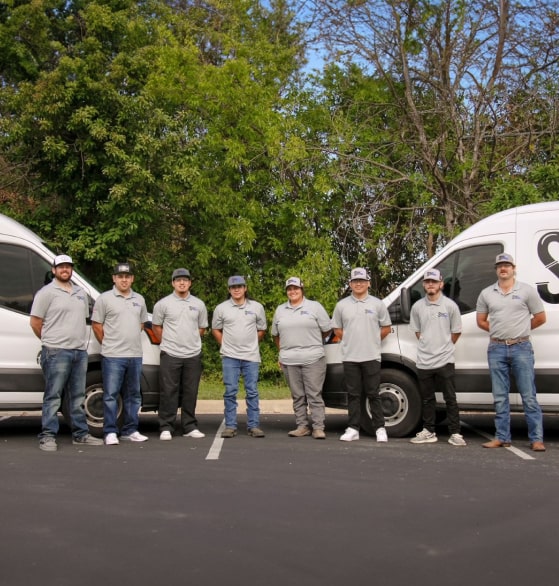
Sosa Plumber Tips: Protect Your Pipes in Georgetown
Plumbing in Georgetown has its quirks. The limestone-heavy soil shifts with drought and rain, the summers bake everything in sight, and winter can surprise you with a hard freeze that tests every weak joint and exposed pipe. After years working homes from Old Town to Wolf Ranch and Sun City, I can say this: a little preparation beats a midnight emergency every time. If you’ve ever typed “Sosa Plumbing near me” while water creeps across your floor, you know what I mean.
What follows is a practical guide built from real service calls and fixes we make week after week. Whether you own a mid-century house with galvanized pipe or a new build with PEX, you’ll find steps to protect your plumbing, save on water, and avoid the most common failures we see across Georgetown. If you need hands-on help, Georgetown Sosa Plumbing Services is a call away, but most of these tips you can apply today.
The Hill Country stress test: why Georgetown plumbing needs extra care
Georgetown’s climate swings hard. Extended heat dries out soil, then a storm dumps inches in an afternoon. Soil moves, foundations settle, and that motion transfers to water and sewer lines. Add the occasional freeze like we had in 2021 and you have a recipe for burst pipes, slab leaks, and cracked hose bibs.
Water quality plays a role too. City water is safe, but it’s hard, typically in the 12 to 18 grains per gallon range. Hard water forms scale inside water heaters and fixtures. Scale buildup overheats elements, shortens appliance life, and narrows pipe flow. Combine that with high water pressure, common in certain pockets around the 78628 and 78633 zip codes, and fixtures fail sooner than they should.
When we inspect homes, these five patterns come up again and again: inadequate freeze protection, unregulated high pressure, aging water heaters choked with scale, irrigation leaks that go unnoticed for months, and clogged mainlines where old trees send roots through joints. None are glamorous. All are preventable.
Get the pressure right, save your plumbing
Water pressure that feels “nice and strong” might be hurting your system. Many Georgetown homes sit near booster stations or on high points of the loop, and it’s not unusual to see static pressures at hose bibs in the 80 to 110 psi range. That’s too high. Fixtures and supply lines are designed for 50 to 60 psi. Anything much above 70 shortens the life of washing machine hoses, faucet cartridges, and toilet fill valves, and it can amplify water hammer.

A properly sized pressure reducing valve, or PRV, set around 60 psi smooths out the whole house. If your home already has a PRV, it may be near the main shutoff by the meter box or just inside the garage wall. PRVs wear with time. If your pressure fluctuates, or you hear pipes knock when appliances shut off, it’s worth testing.
Here’s a quick method we recommend to homeowners: pick up a simple pressure gauge with a hose thread and test at an outdoor spigot. Check mid-morning and again in the evening when neighborhood demand changes. If readings consistently exceed 70 psi, have a professional adjust or replace the PRV. At Sosa Plumbing Services we often install a whole-house PRV paired with a thermal expansion tank on homes with water heaters set higher than ambient inlet temperatures. That small tank prevents dangerous pressure spikes when hot water expands in a closed system.
Freeze defense that actually works
Texas cold fronts don’t announce themselves with days of nuance. A blue norther rolls in and drops temperatures below freezing by dinner. The year pipes burst all over Central Texas, the homes that stayed dry had three habits in common: exposed pipes insulated and sealed, hose bibs protected with covers and internal freeze-proof stems, and water moving slowly through vulnerable lines.
Real-world freeze prep looks like this. Insulate every exposed run with foam sleeves, paying special attention to attic lines and garage ceiling drops. In Georgetown, many outdoor kitchens and back porch sinks were added after the main build and often lack proper freeze protection. Those are the first to pop. For hose bibs, install frost-proof sillcocks where possible. On older homes with standard hose bibs, cover them and add an interior shutoff with a drain port so you can isolate and empty the line ahead of a hard freeze.
Attic plumbing needs extra attention. If your water heater is in the attic, verify the drain pan has a clear line to the exterior and an automatic shutoff valve on the pan sensor. I’ve seen brand-new homes with kinked pan drains that back up into the living ceiling during a freeze-thaw event. In severe cold, open cabinet doors under sinks on exterior walls. Let a pencil-thin stream run from the furthest hot and cold fixtures to keep water moving. If you’re leaving town and a deep freeze is forecast, consider shutting the water at the house valve and draining interior lines. It takes fifteen minutes now and saves weeks of repairs later.
For surprise freezes that catch you off guard, Georgetown Plumber Sosa Plumbing Services offers emergency plumber sosa Georgetown response. The sooner we get water off and lines thawed safely, the less damage you face.
Hard water, soft strategy: protect heaters and fixtures
When a water heater groans, pops, or rumbles, it’s not haunted. That’s steam bubbles trapped under scale. Georgetown’s hard water leaves a mineral layer at the bottom of tanks that insulates the burner or elements, forcing them to run longer and hotter. Electric units burn out lower elements. Gas units overheat and waste energy. Faucets clog with calcified bits, and showerheads sprout odd spray angles.
Two approaches help. First, flush traditional tank heaters annually. If the heater is five or more years old and never flushed, expect a heavy sediment discharge. We’ve drained fifty pounds of sludge from a 50-gallon tank that lived on well water north of town. Once scale builds too much, flushing won’t restore efficiency, but it can still extend life and improve performance. Second, consider a water softener, especially if you own a tankless unit. Tankless heaters are efficient but sensitive to scale. Without a softener or at least periodic descaling, they lose flow and throw error codes.
If you install a softener, set it correctly to your water hardness and household usage. Oversoftening wastes salt and water. If you worry about taste for drinking, use a bypass tap or a point-of-use filter at the kitchen sink. For many families, a softener pays for itself with fewer fixture replacements and longer water heater life. The experienced plumber sosa plumbing services Georgetown team can size systems based on your home’s plumbing layout, which matters more than brochure promises.
Slab leaks and shifting soil
Slab-on-grade homes settle some in our area. Minor movement is normal. But when soil dries hard and then swells, copper lines under slabs can rub against concrete and develop pinhole leaks. The first sign is often a warm spot on the floor or a water bill that climbs for no clear reason. You may also hear faint hissing from baseboards when the house is quiet.
If you suspect a slab leak, don’t panic. We isolate zones by turning off fixtures and watching the meter. Thermal imaging and acoustic listening help pinpoint the run. Sometimes the best repair is not tearing the slab at all, but rerouting that line overhead through the attic or along an interior wall in PEX. It’s faster, less invasive, and avoids future abrasion at the same spot. If we open the slab, we pressure-test adjacent lines because leaks sometimes occur in pairs when the same stress was applied to multiple bends.
One tip for homeowners: watch your irrigation schedule during drought. Overwatering the perimeter to “protect the foundation” can flood trenches and create differential movement. A balanced moisture routine, not a saturated one, stabilizes the slab without washing fines away from under footings.
Sewer lines, trees, and what your nose knows
Older Georgetown neighborhoods planted beautiful oaks and pecans that now tower over streets. Their roots seek water. Clay and cast-iron sewer lines, common in mid-century homes, have joints that roots can penetrate. The symptom list is predictable: slow drains throughout the house, gurgling in one fixture when another drains, and that unmistakable sewer odor near cleanouts.
A camera inspection tells the story in minutes. If the line is generally sound with a few root intrusions, hydro-jetting followed by a root-control product can buy years. If the pipe is out of slope, crushed, or riddled with intrusions, replacement is the smarter move. Trenchless options like pipe bursting or lining minimize digging in established yards, but not every layout qualifies. We weigh factors like the number of tie-ins, presence of belly sections, and depth under driveways. The trusted sosa plumbing company team lays those options out clearly so you can choose a path that fits budget and long-term plans.
On sewer odors, check the simple things before assuming the worst. Dry traps in rarely used guest baths or floor drains can vent odor indoors. Pour a quart of water into those drains monthly, and in exceptionally dry houses, add a tablespoon of mineral oil to slow evaporation.
Irrigation and supply: the silent water bill killers
We see more hidden irrigation leaks than any other water waster. A stuck zone valve or a hairline crack in a lateral line can run nightly without drawing attention until the bill arrives. Georgetown’s tiered water rates make that expensive fast. To audit, shut off house water and ensure the irrigation main is open, then watch the water meter’s low-flow indicator. If it spins, you have a leak on the irrigation side. Check valve boxes for standing water, inspect around heads for soft spots, and look along fence lines where weed eaters nicked lines.
Backflow preventers deserve respect. They protect the drinking water supply by keeping irrigation water out of your home lines. Freezing can crack them. Install insulated covers and, where code allows, isolation valves to drain them ahead of arctic blasts. If yours whistles or leaks from the relief port, call us. A failed backflow is both a code issue and a flood risk.
Inside the home, silent leaks often come from toilet flappers that don’t seal. A few drops of food coloring in the tank will show dye in the bowl within 10 minutes if the flapper leaks. It’s a five-dollar part that can waste thousands of gallons a month if ignored.
New builds, old lessons
Georgetown’s growth brings beautiful new neighborhoods, and most builders use modern materials like PEX, which handles freeze expansion better than rigid copper or CPVC. Even so, we find recurring misses during warranty checks: lack of hose bib vacuum breakers, absent thermal expansion tanks on closed systems, water heaters set to scalding temperatures, and condensate lines from high-efficiency furnaces or A/Cs tied into drain lines without proper traps, which can invite odor.
If you’re in your first year of a new home, schedule a whole-house plumbing tune-up. Think of it as catching the punch list items the final walk-through missed. The plumbing company Georgetown sosa services teams are thorough because we know where shortcuts hide. Tighten the PRV setting, verify cleanouts are accessible, label the main shutoff, test TPR valves on heaters, and show you how to isolate zones in a hurry.
Vintage homes and material realities
Older houses bring charm and a mix of materials that need thoughtful handling. Galvanized steel supply lines rust from the inside, shedding black flakes and narrowing passageways. Low flow at a single faucet might be a clogged aerator. Low flow across a bathroom often points to the branches feeding it. Repiping sections in PEX can restore pressure and reliability without gutting walls. We plan routes that preserve tile and plaster while future-proofing common failure points.
Cast iron waste stacks corrode and thin. If you notice frequent backups in a stack that serves an upstairs bath, or staining where a hub joint meets, that stack may be nearing the end. Replacement can be phased to control cost, starting with the worst sections. The affordable sosa plumber Georgetown approach is to prioritize risk and impact, not upsell a full-gut when a targeted repair keeps you safe.
Everyday habits that keep systems healthy
A well-designed plumbing system forgives occasional abuse. A repeatedly abused system sends you to the phone. Small habits matter. Don’t pour fats and oils down the sink. Even if they leave liquid, they solidify downstream and trap other debris. Use strainers to catch hair and food scraps. Rinse with hot water after greasy dish loads, but remember that hot water alone will not dissolve a bacon pan down to innocence. Let it cool, wipe with a paper towel, then wash.
Garbage disposals handle small scraps, not full plates. If odors arise, grind ice cubes with a few drops of dish soap, then flush with cold water. For tank-style water heaters, set the thermostat around 120 degrees. That temperature protects against scalding and reduces mineral precipitation while still meeting most household needs. If you have an immunocompromised family member and need higher temps for Legionella control, talk to us about mixing valves that deliver safe tap temperatures while storing hotter in the tank.
When to call a pro versus DIY
There’s pride in fixing your own home, and plenty of plumbing tasks fit the DIY category: replacing a toilet flapper, swapping a showerhead, insulating visible pipes, installing a simple under-sink shutoff, or caulking around a tub spout escutcheon to stop water intrusion. The line to professional help shows up at gas lines, main shutoffs, hidden leaks, slab suspicions, water heater installs, and any repair that requires a code inspection.
The benefits of a seasoned tech are not just tools, but judgment. For instance, a pinhole in a copper line near the water heater might tempt a quick patch. We look at pipe age, water chemistry, and nearby stress points to decide if that pinhole is the first of many. Fixing the symptom without addressing conditions sets you up for repeat failures.
When you need a plumber in Georgetown sosa services, you can count on Georgetown Sosa Plumbing Services to bring both hands-on skill and clear communication. We show you the issue in plain view, explain options with numbers, and respect that budget and timing matter.
A short homeowner’s checklist for each season
- Fall: Insulate exposed pipes and hose bibs, test the PRV and expansion tank, service the water heater, and verify backflow covers are in place.
- Winter: Keep a slow drip on cold nights for fixtures on exterior walls, open cabinet doors under sinks, and shut off and drain outdoor kitchen lines before hard freezes.
- Spring: Camera-scan older sewer lines if you had slow drains, test irrigation for leaks before heavy use, and replace any worn toilet flappers.
- Summer: Watch for foundation movement signs, confirm attic water heater pan drains are clear, and check pressure during peak neighborhood usage.
What emergency readiness looks like
A burst line demands fast action. Know where your main shutoff valve is. Some Georgetown homes have a curbside meter box with a city-side valve and a homeowner valve just inside the garage or in a ground box near the front. Make sure the box isn’t buried under landscaping. Keep a meter key if the inside valve is hard to reach. Label secondary shutoffs for the water heater and irrigation. Snap a photo of your plumbing layout for quick reference, especially if you travel and a neighbor may need to help.
Emergency plumber sosa Georgetown services prioritize water damage control first, repair planning second. Once water is stopped, we assess what got wet, help you start drying, and document damage if you plan to file a claim. Not every burst merits insurance. If the repair is minor and drying is quick, paying out of pocket can avoid premium hikes. On large events, involve your insurer early and keep receipts for mitigation steps like fans and dehumidifiers.
Budgeting smart: spend where it pays off
It’s tempting to delay upgrades that don’t show off like a new backsplash. Certain plumbing investments pay for themselves. A PRV and expansion tank combo can save you from replacing three appliances early. A softener protects every downstream fixture. Replacing aging supply hoses on laundry machines with braided stainless versions and installing automatic shutoff valves reduces a leading cause of interior floods. Upgrading old angle stops under sinks to quarter-turn ball valves means you can isolate a leak fast without a wrench.
If you’re choosing between a brand-name faucet and a no-name special, remember that parts availability matters. The trusted sosa plumbing company keeps repair cartridges for reputable brands on the truck because we know the models and can service them in minutes. Obscure imports often force full replacement at the first leak.
How we approach service in your home
People invite us into their homes on Emergency Plumber Georgetown, TX stressful days. Our job is to reduce stress, not add to it. Here’s our standard approach at Sosa Plumbing Company Georgetown. We start with your description of the problem, then verify with our own tests. We present options with up-front pricing, explain pros and cons plainly, and get your approval before work. For bigger projects, we phase work so you’re never without essentials longer than needed. And we stand behind what we install.
If you need immediate help, search sosa plumbing near me Georgetown or call directly. If you’re comparing providers, look for licensed and insured status, local references, and a clear scope of work in writing. The best sosa plumbing services Georgetown tx should balance craftsmanship with value. Affordable sosa plumber Georgetown does not mean corner-cutting. It means smart planning, efficient execution, and repairs that last.
A few Georgetown-specific details to remember
Neighborhoods have personalities, and plumbing does too. In Sun City, we see many attic water heaters. Insulate lines generously and check pan sensors yearly. In Old Town with pier-and-beam homes, keep crawl spaces dry to protect drain lines and traps. In newer communities west of I-35, PEX manifolds simplify isolation of zones; learn your manifold map so you can shut just the kitchen or laundry in a pinch.
City inspections are straightforward, but they do require permits for water heater replacements, gas work, and sewer line repairs. That protects you and future buyers. Georgetown Sosa Plumbing Services pulls permits as needed and schedules inspections so projects don’t sit idle.
When you’re ready, we’re nearby
Searching for Sosa Plumbing near me brings up plenty of results, but a local sosa plumbing in Georgetown team that knows the soil, the water, and the way homes here are built makes a difference. Whether it’s a weekend pinhole leak or a planned upgrade, the plumbing company Georgetown sosa services crew brings the same standard every time: fix it right, explain it clearly, and respect your home.
Protecting your pipes in Georgetown starts with pressure under control, lines insulated against surprise cold, water quality managed with a plan, and a watchful eye on the silent leaks that drain your wallet. Add a few good habits and a trusted partner, and your plumbing fades into the background where it belongs, doing its job day after day.
If you need guidance or a hands-on fix, Sosa Plumber is here to help. We handle maintenance, repairs, upgrades, and those unpredictable emergencies. And we never forget that behind every call is a home, not just a system of pipes.