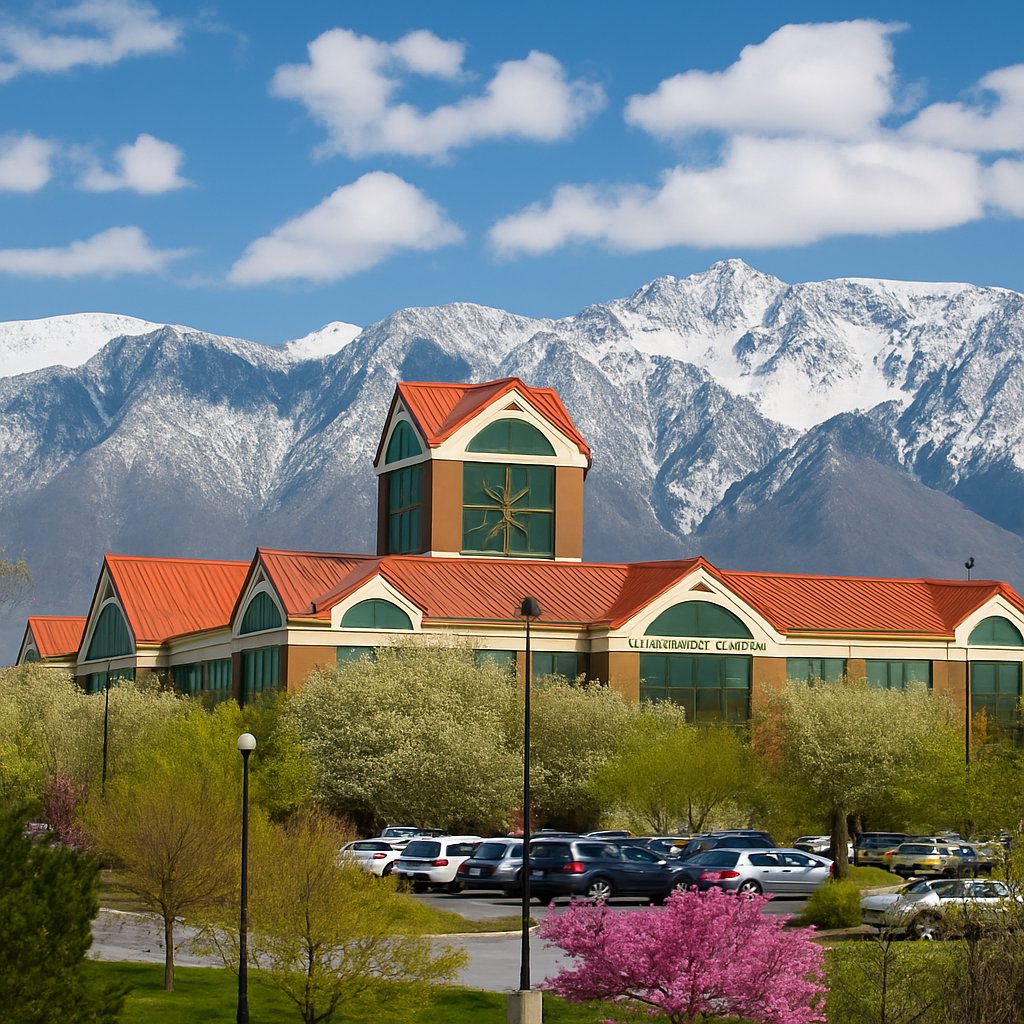
Homeowners in Sandy, UT ask this every fall as temperatures drop off Wasatch Boulevard and cold air settles in the valley. The short answer: yes, a furnace tune up pays for itself when done before the first hard freeze. It saves energy, cuts surprise repairs, extends equipment life, and keeps heating safe for families in Pepperwood, Alta View, and across the 84070–84094 zip codes.
What a furnace tune up actually includes
A proper tune up goes well beyond a filter swap. Western Heating, Air & Plumbing follows a structured process that targets safety, efficiency, and reliability. A licensed technician inspects the heat exchanger for cracks, checks gas pressure, tests ignition and flame sensors, calibrates the thermostat, cleans the burners, verifies inducer and blower performance, measures temperature rise through the furnace, and confirms draft and venting. On high-efficiency units found in newer East Sandy builds, the tech will clear condensate traps and validate PVC vent pitch. For older furnaces in mid-valley ramblers, extra attention goes to combustion and motor amperage.
The goal is a furnace that lights smoothly, burns clean, moves air correctly, and shuts down safely.
Why Sandy homes benefit more than most
Wasatch Front winters swing. A mild November can turn into a single-digit snap in December. That quick change stresses ignition systems and blower motors. Homes near the bench fight colder intake air and windy conditions that expose vent issues. Many basements in Sandy stay cool and dry, which can hide slow failures like a weak flame sensor or a partially blocked condensate line until the first long heating run. A tune up before Thanksgiving prevents the first-cold-night no-heat call.
Dollars and sense: the real return on a tune up
Energy savings are the easiest gain to measure. A dirty burner or misaligned gas pressure can drop efficiency by 5 to 10 percent. On a typical Sandy gas bill, that is often 8 to 18 dollars per month during peak winter. Over a five-month season, the savings often equal or exceed the cost of a tune up. Catching a failing igniter or capacitor early costs far less than an after-hours repair during a cold snap. Replacing an igniter proactively runs far less than a no-heat emergency plus dispatch, and it avoids overnight discomfort.
Longevity matters too. Short-cycling due to poor airflow or a clogged filter overheats the heat exchanger, which is the most expensive component in a gas furnace. Keeping temperature rise within manufacturer specs helps the exchanger last its full expected life, often 15 to 20 years in our climate.
Safety comes first: carbon monoxide and gas risks
Any combustion appliance needs regular checks. A cracked heat exchanger can leak carbon monoxide into supply air. An obstructed flue can push exhaust back into the home. Technicians use combustion analysis and visual inspection to spot warning signs. In Sandy, where many homes have finished basements or bedrooms over mechanical rooms, this is not optional. A tune up verifies safe ignition, stable flame, and correct draft so the furnace heats the home without risk.
If a tech finds an unsafe condition, they explain the issue, show measurements, and offer immediate options. That transparency helps homeowners make clear decisions.
What a Western tune up looks like in practice
Clients often ask how long it takes and what to expect. Most visits run 45 to 90 minutes depending on equipment age and access. The technician lays down drop cloths, removes the burner assembly if needed, cleans flame sensors, checks blower wheel balance, and clears debris. They test limits, pressure switches, and record readings: static pressure, temperature rise, manifold pressure, and amperage draw. Those numbers tell the story. For example, if static pressure is high, the tech may recommend a better filter cabinet or a duct adjustment to protect the blower and improve airflow in rooms over the garage that never feel warm.
Common Sandy-specific issues found during tune ups
- High static pressure from restrictive 1-inch filters on larger systems, which strains blower motors and raises noise.
- Condensate line blockages on high-efficiency furnaces due to summer dust and construction debris, causing nuisance shutdowns.
- Flame sensors fouled by fine dust from nearby basements or workshops, leading to intermittent heat on cold mornings.
- Vent terminations exposed to canyon winds, which can trigger pressure switch trips without a proper wind-resistant cap.
- Aging igniters in 10 to 15-year-old units that work during mild weather but fail under long run times.
Each of these is simple to fix during a tune up and expensive to ignore.
What it does not cover, and why that matters
A tune up is maintenance, not a full repair or redesign. It will not fix undersized return ducts, poor room-by-room balance, or a failing heat exchanger. It will, however, identify these problems early and provide clear options. Western keeps common parts on the truck, but larger fixes may require a follow-up. Honest expectations help homeowners plan upgrades on their schedule instead of during a no-heat emergency.
Timing: the best months for Sandy homeowners
Late September through early November is ideal. Schedules are flexible, parts are easy to source, and homeowners can run a full system test without pressure from severe weather. Spring tune ups also work well for dual-purpose inspections that cover air conditioning. If winter has already arrived, it is still worth scheduling. Even mid-season adjustments cut energy use and prevent breakdowns.
Signs you should book a furnace tune up now
- The furnace hesitates before lighting or takes more than one try.
- Rooms over the garage or on the second floor heat unevenly.
- The blower sounds louder than last season or runs in short bursts.
- The carbon monoxide detector has chirped or shown low-level alerts.
- It has been over a year since a licensed pro serviced the system.
What homeowners can do between visits
Homeowners help their furnace perform by replacing filters on schedule, keeping supply and return vents open, and keeping the area around the furnace clear. Western recommends checking a 1-inch filter every 30 to 60 days during winter and upgrading to a high-quality media cabinet if space allows. If the thermostat sits near a sunny window or drafty entry, ask about relocating or using remote sensors to smooth temperature swings.
Why choose Western Heating, Air & Plumbing in Sandy
Local knowledge matters. Technicians see the same patterns from Dimple Dell to Hidden Valley and know which parts fail first on common brands installed in Sandy subdivisions. The team documents readings, explains the results in plain language, and gives straightforward recommendations with price ranges before work starts. Same-day appointments are often available in fall, and maintenance plan members get priority scheduling along with no-charge safety checks if a detector alerts.
The bottom line
A furnace tune up is worth it for Sandy homeowners. It lowers gas use, reduces emergency calls, and keeps the home safe through long cold stretches. It also gives a clear picture of the system’s health so families can plan for repairs or replacement on their terms.
Ready to get ahead of winter? Book a furnace tune up with Western Heating, Air & Plumbing today. Call the Sandy office, request service online, or pick a convenient time for your neighborhood. One visit now can spare a 9 p.m. no-heat call in January and keep the whole home warm all season.