Electrical Meter and Service Upgrade Orange County
Electric service is easy to ignore until it is not. In Orange County, homes built in the 50s through the 80s often carry 60 to 100 amp service, aluminum branch circuits in some eras, and aging panels with breakers that no longer trip reliably. Add modern loads like an EV charger, a heat pump, an induction range, or a backyard spa, and the system starts to show strain. Lights dim when the dryer starts. Breakers run hot. Charging the car trips a breaker at midnight. That is the moment property owners start searching for an Orange County electrician and discover the difference between an electrical panel upgrade and a full meter and service upgrade.
This guide walks through how a service upgrade works in our cities and utility territories, the decisions that matter, and what a licensed electrician in Orange County considers before pulling a permit. It applies to both single family upgrades and light commercial, with practical details drawn from real projects in Santa Ana, Tustin, Mission Viejo, Irvine, Anaheim, and the beach communities.
What a service upgrade includes, and what it does not
People often call about a panel replacement when they actually need a service upgrade. These terms overlap but they are not interchangeable.
A panel replacement or electrical panel upgrade in Orange County means swapping the load center, often the indoor or garage panel that houses branch circuit breakers. If the existing service conductors, meter socket, and main disconnect are adequate and in good condition, a panel-only project may solve problems like a crowded panel, obsolete breakers, or a Zinsco or Federal Pacific Electric panel that should be retired. This work still requires permits and an electrical inspection in Orange County, yet it rarely involves the utility beyond a brief disconnect and reconnect.
A meter and service upgrade goes farther. It increases the service ampacity, replaces the meter socket and main disconnect, often relocates equipment to meet current clearance rules, and upgrades grounding and bonding. The utility, usually Southern California Edison in Orange County, or Anaheim Public Utilities inside Anaheim city limits, has to approve and schedule the work. On overhead services you get new service drop conductors from the pole. On underground services you may need trenching and a new lateral.
The right scope is driven by load, condition, and code. A good residential electrician in Orange County will perform a load calculation before promising amperage. That calc, done to NEC Article 220, accounts for square footage, small appliance and laundry circuits, fixed appliances, HVAC, EV charging, and adjustments for demand. Many homes pencil out fine at 200 amps even with an electric vehicle charger and a heat pump water heater. Homes planning two EVs, an all electric kitchen, a pool heater, and a backyard ADU may justify 320 amp service and a meter main built for parallel 200 amp panels.
Why older equipment struggles with modern loads
A 1968 tract home in Huntington Beach might carry a 100 amp fused main with a 20 circuit panel. At the time, gas appliances carried much of the load. Fast forward, and the owner installs a 7.6 kW EV charger, adds a hot tub, and plugs in two space heaters during a cold snap. The dryer starts, lights dip across the living room, and the main breaker trips on a Saturday night. That is not a random nuisance trip. It is a system telling you it has no room to breathe.
Age compounds the problem. Corrosion on bus bars, loose lugs, breaker stabs that have lost spring tension, and aluminum lugs chalked with oxide all create heat and voltage drop. Breakers in some legacy brands fail to trip at their rating, which is a fire risk. When we open a panel and see Zinsco or Federal Pacific, we recommend panel replacement regardless of amperage. When we see fabric wrap SE cable without a proper service disconnect, or a rusted meter socket with backfed water through the knockout, we look at a full meter and service replacement.
Utility territory and permitting specifics in Orange County
Most of the county is served by Southern California Edison. Anaheim runs its own municipal utility inside city boundaries. Whichever utility serves your address, a service upgrade requires utility coordination and a city or county permit. Here is how the process usually unfolds for an Orange County electrical contractor who does this work weekly.
We begin with a site visit and load calculation. We photograph the existing service, check clearances, measure working space, and trace grounding. We verify whether the service is overhead or underground, and if underground we determine where the lateral originates. Many tract homes have a handhole at the curb or a shared transformer for the cul de sac. If the lateral crosses a neighbor’s yard, we plan for access and trench protection.
We draw a single line diagram and a site plan. The diagram shows the new meter main, the grounding electrode system, any subpanels, conductor sizes, and the service size. We submit the permit to the Authority Having Jurisdiction, which might be the City of Irvine, Huntington Beach, Santa Ana, or the County for unincorporated areas. Most cities handle service upgrade permits over the counter or within a few business days.
We then submit to the utility for a disconnect and reconnect, and for new conductors if the service size increases. SCE scheduling runs 3 to 10 business days in normal seasons. Anaheim Public Utilities can be faster for small upgrades. During heat waves or storms, expect longer lead times. Once the city inspector signs off with a green tag, the utility reconnects and energizes.
Overhead versus underground service, and why it matters
Overhead services are straightforward. The utility drops conductors from the pole to a weatherhead, then down a mast to the meter main. Upgrading overhead from 100 to 200 amps often requires a larger mast and weatherhead, a new meter main, and fresh grounding. We coordinate with the utility to change the service drop size to match.
Underground services add complexity. If the lateral from the transformer to the meter is undersized, we need new conductors. That can mean trenching from the transformer to the house, working around hardscape, irrigation, and in some beach cities, very shallow roots. We call DigAlert, hand dig within tolerance, then install schedule 80 or 40 conduit per utility spec with proper sweeps and pull strings. Trench restoration and concrete patching add time and cost. A short hop, 20 to 40 feet, can be handled in a day. A long run under a driveway may need saw cutting, slurry, and city inspection of compaction before concrete is poured.
Here is a quick comparison of overhead and underground services, focused on what owners care about most.
- Overhead, typically lower cost, faster scheduling, visible mast and service drop, easiest to upsize to 200 amps without civil work
- Underground, cleaner look, no visible conductors, higher cost due to trenching and restoration, may require coordination with HOA and neighbors, permits can involve encroachment or right of way in some cities
- Overhead, mast clearance and service point location drive equipment placement, weatherhead height must meet utility spec
- Underground, path and depth drive feasibility, conduit sweeps and transformer terminations follow strict utility standards
- Both types, grounding, bonding, and working clearances must meet current code, and both require utility and city coordination
How big should your service be
People ask for 400 amps as a default because it sounds future proof. In practice, 200 amps solves the majority of residential needs when paired with smart circuit management. A single EV charger at 40 amps continuous, an induction range, a heat pump HVAC, and a dryer can live on a well designed 200 amp service if loads are diversified and the EV charger uses scheduled charging. If you plan for two EV chargers at 48 to 80 amps each, a pool heat pump, and a detached ADU with a kitchenette and mini split, 320 amp service with a meter main that feeds two 200 amp panels might be justified. In that case, we install a 320 amp meter socket, often called 400 amp class, then split to a house panel and a subpanel or a second dwelling panel. It adds cost and space, but it avoids future tear outs.
Commercial properties in Orange County, even small retail shells or restaurants, often need 400 to 800 amps because of kitchen equipment, HVAC, and lighting. Commercial electrician Orange County teams involve plan review, utility service planning, and sometimes transformer upgrades. Those projects move on different timelines and fees than single family homes.
Equipment choices that age well
The meter main is the heart of a service upgrade. Brands that hold up in our climate include Eaton, Siemens, and Square D QO or Homeline lines. All have meter main combo units sized for 200 amps and higher, with feed through lugs or breaker spaces that make future work tidy. In wet coastal zones, we prefer NEMA 3R enclosures with additional corrosion protection, stainless screws, and sealed knockouts. In hillside homes, sunlight exposure and heat can drive us to shade the gear or specify enclosures rated for higher ambient temperatures.
Surge protection at the service has become standard. Whole home surge devices tie into the meter main or the first panel and clamp transients that ride in on the utility lines. The cost is modest compared to the electronics they protect. We also upgrade grounding every time. That means bonding the cold water service, bonding gas piping, verifying a UFER ground in the slab or adding ground rods where a concrete encased electrode does not exist. The grounding electrode conductor must be sized to the service, secured properly, and visible for inspection.
Arc fault and ground fault protection come into play on the load side. When we replace a panel, we bring branch circuit protection to current code unless the Authority allows existing circuits to remain. Bedroom and living areas often need combination type AFCI breakers. Kitchens, laundries, garages, bathrooms, outdoors, and receptacles within 6 feet of sinks require GFCI by current code. A careful electrician balances code upgrades with practical use, explaining to owners where nuisance trips might occur and how to avoid stacking AFCI and GFCI devices in a way that causes headaches.
Timelines and realistic cost ranges
A straightforward overhead 100 to 200 amp meter and service upgrade with a new meter main, grounding, and reconnection typically runs in the range of 3,500 to 6,500 dollars in Orange County. The range swings with brand selection, relocation to meet clearances, and whether the stucco patching or siding carpentry is minor or extensive. Underground upgrades have a wider spread. A short trench with softscape only might add 2,000 to 4,000 dollars. Long driveway runs, HOA requirements, or hardscape restoration can push a project into the 10,000 to 20,000 dollar bracket. Commercial service upgrades vary too widely for a simple range, yet it is common for a small restaurant conversion to carry 20,000 to 60,000 dollars in service and panel work, not counting kitchen equipment wiring.
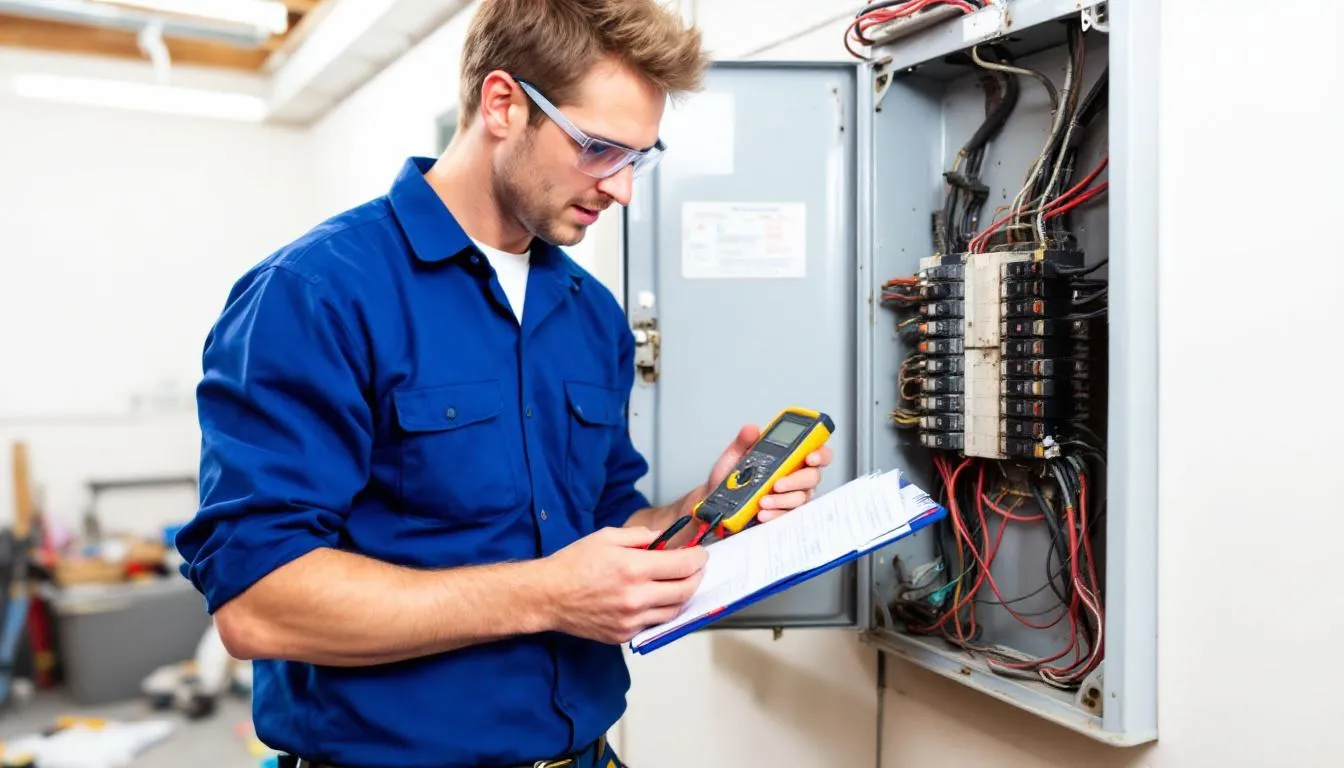
Timelines hinge on permitting and the utility. Many cities in the county approve service upgrades within a week. SCE scheduling for disconnect and reconnect is often 3 to 10 business days. If a new transformer or subdivision level planning is required, the calendar extends by weeks. A good Orange County electrical contractor builds the schedule out loud, sets expectations for power outages, and secures temporary power if a vulnerable occupant relies on medical devices.
What the day of work looks like
On the morning of a scheduled changeout, we stage materials, review safety, and walk the property owner through the plan. We shut down the power right after utility disconnect, pull the old meter main, and demo the existing panel if it is part of the scope. The wall opening sometimes reveals surprises, especially on stucco. We repair backing, set new enclosures plumb, bond locknuts, and run new feeders to the interior panel if needed. We land grounds and neutrals on separate bars where required, torque lugs to spec, label circuits legibly, and install a surge device if specified. Before lunch on a typical overhead upgrade, the new gear is hung and wired. We call for the electrical inspection. Once the green tag is posted, we notify the utility for reconnect. Most residential upgrades are reenergized the same day when scheduled correctly.
Lighting returns first, then we test GFCI and AFCI protection circuit by circuit. The EV charger gets a function check. If the owner has smart home wiring, such as a load management system or a whole home battery, we verify those systems handshake with the new service. By dinner, the only visible sign of the work should be a clean, labeled meter main and tidy sealant around the penetrations.
Planning for EV charging, solar, and batteries
EV charger installation in Orange County drove a wave of service upgrades. A 40 to 60 amp circuit for a Level 2 charger may fit in an existing panel if capacity exists, but the continuous load pushes some services beyond their headroom. When a customer asks for an electric vehicle charger in Orange County, we run the load calculation first. If the math straddles the line, we discuss an EV charging station with load sharing or scheduled charging, which can postpone a service upgrade for a few years.
Solar complicates and sometimes simplifies service planning. A rooftop system backfeeds the panel, and interconnection rules cap that backfeed relative to busbar rating. A 200 amp panel with a 200 amp main breaker often allows only a 40 amp solar backfeed by the 120 percent rule unless we downsize the main breaker or use a meter main with a solar ready bus or a supply side tap. Batteries take space and benefit from a meter main with dedicated breaker positions and clear labeling. A licensed electrician in Orange County who handles both solar interconnections and main service work can sequence this so you do not pay twice for wall repairs and gear.
Space, clearances, and equipment relocation
Current code demands clear working space around service equipment. That means 30 inches wide, 36 inches deep, and 6 feet 6 inches high in front of the gear, unobstructed. In older homes, the meter can sits behind a lattice, in a closet, or tucked under a stair. During a service upgrade, we must relocate equipment to legal locations. In coastal cities, side yards can be tight. We measure carefully, coordinate with gas meters and hose bibs, and sometimes rebuild fences to maintain required set backs. It is inconvenient, yet it avoids failed inspections and keeps first responders safe.
Interior subpanels that sit in closets or bathrooms need to move. When we upgrade the meter main, we often seize the moment to shift an interior panel to a hallway or garage with legal clearance. We patch drywall carefully, label circuits precisely, and leave a riser diagram in the panel for future work.
Safety upgrades that matter more than amps
Amperage gets the attention, but grounding and bonding save lives. In Orange County we still open panels that lack a solid bond to the water service, or where the gas bond is doubled up under a loose screw. With a service upgrade, we install or verify a UFER ground where present, tie into it with the right size copper, add ground rods where necessary, and run a continuous copper bond to gas. We separate neutrals and grounds in subpanels. We replace bonding jumpers around water heaters when we see dielectric unions. We also install whole home surge protection at the service. These steps reduce shock risk, lower the chance of equipment damage, and give your breakers a fighting chance to operate correctly.
Residential and commercial nuances
A residential electrician in Orange County has to balance code, cost, and appearances. Patchwork on stucco, paint matching, and trench restoration matter to homeowners. Pets, gate codes, and kids doing homework during a power outage need planning. For commercial clients, the calculus shifts. A same day electrician in Orange County who can mobilize a crew at 6 a.m. To beat opening hours, coordinate with the fire alarm vendor, and keep refrigeration running on temporary power can save a business real money. Restaurants and salons care about downtime more than a perfect stucco patch.
On the commercial side, service gear is often inside a dedicated electric room. Clearances, egress, and fire rating become the main constraints. A commercial electrician Orange County team knows to coordinate with the utility’s service planning, which can dictate transformer upgrades or new vaults. Expect more submittals, utility studies, and possibly easements for larger services.
Choosing the right contractor
A meter and service upgrade is not an entry level project. You want a licensed electrician Orange County property owners can verify, not a handyman. Ask about recent similar jobs in your city, utility coordination experience, and how they handle stucco patches and drywall repairs. Good outfits carry parts from reputable brands, not gray market panels. They write clear scopes and list what is included, from trenching depth to permit fees.
Here is a short owner’s checklist that keeps projects on track.
- Confirm utility territory, SCE or Anaheim Public Utilities, and ask your contractor to submit the utility forms early
- Request a load calculation in writing, and talk through planned future loads like a second EV or an ADU
- Verify trenching responsibilities, restoration specs, and whether concrete patching is included if underground work is needed
- Ask for equipment spec sheets, brand and model of the meter main, breakers, and surge protector
- Schedule power outage windows around critical needs, and ask about temporary power if someone relies on medical devices
When something goes sideways, a 24 hour electrician Orange County team is valuable. Storms and car strikes on service masts happen. If the meter gets pulled by impact or the mast bends, emergency electrician Orange County crews can secure the site, coordinate a temp repair, and keep you safe until a full replacement is scheduled. That is different from new work, yet the same skill set applies.
Integrating other electrical improvements
A service upgrade is a natural time to address long standing issues. Whole home rewiring in Orange County, especially in homes with brittle cloth insulation or aluminum branch circuits, pairs well with a new service. We often add dedicated small appliance circuits in older kitchens, upgrade laundry circuits to 20 amps, and install GFCI protection in garages and baths. Lighting installation in Orange County, from recessed lighting in living areas to outdoor lighting in eaves and paths, benefits from the added capacity and new panel spaces. Ceiling fan installation becomes easier when attic access coincides with running new homeruns from the panel.
Smart home wiring and low voltage wiring can be cleaned up at the same time. We relocate cable and data demarcs, add structured media enclosures, and leave service loops where homeowners or integrators can work later. Labeling matters here, and it pays dividends when troubleshooting months later.
If you are thinking ahead, a generator installation can mate with a new service using an interlock or a transfer switch space on the meter main. Even if you never install the generator, reserving a breaker position and conduit path costs little and protects your options.
A few real examples
A family in Tustin called for an EV charger and quickly learned their Zinsco panel and 100 amp service were the real constraints. The garage had a tight side yard, and the gas meter sat within inches of the old panel. We relocated the new 200 amp meter main two feet forward to gain the working space, rerouted the gas bond, added a UFER connection we found stubbed in the slab, and landed a 60 amp EV circuit on a new subpanel in the garage. SCE reconnected the same day after inspection, and the owner charged at 40 amps nightly using scheduled charging. The project ran 4,800 dollars including stucco patch and paint.
In Laguna Niguel, an underground service for a 1979 home needed upsizing to support a heat pump conversion and two EV chargers. The lateral ran under a stamped concrete driveway, which the owners did not want to cut. We located a transformer at the side yard and found a path through turf to the garage wall. The trench was 38 feet. We laid schedule 80, pulled new conductors per SCE spec, set a 320 amp meter socket feeding two 200 amp panels, and left one panel as a future feed to a detached ADU. The city inspector tagged the job green mid afternoon, and Edison tied in by 5 p.m. Total cost landed near 16,000 dollars due to trenching and the larger gear. The owners now run two 48 amp EV chargers without juggling.
A café buildout in Costa Mesa required a service increase from 200 to 600 amps to support commercial kitchen equipment. We coordinated with the landlord’s architect, SCE service planning, and the city plan checker. The project involved a new transformer pad, a 4 inch service lateral, a 600 amp switchboard, and dedicated panels for lighting and receptacles. Trenching crossed a shared parking lot and required nighttime work and temporary plates. From permit to energization, the project took 9 weeks. Downtime for the tenant stayed under 48 hours thanks to a phased cutover and temporary power for refrigeration.
Repairs, inspections, and the small things that prevent big problems
Many calls that start as Orange County electrical repair turn into service upgrades for good reason. A hot lug at the main is a symptom, not a cause. Corrosion at the meter can be water intrusion. An outlet that burns on a vacuum startup can be an overtaxed circuit combined with a weak connection. Before we replace a single breaker, we look for systemic issues. We torque check lugs, thermal scan panels on commercial jobs, and test grounding continuity.
When the work is complete, a proper electrical inspection in Orange County is not a rubber stamp. Inspectors check working space, conductor sizes, grounding, labeling, and correct terminations. They look for bonding bushings on concentric knockouts where required. They verify that neutrals and grounds are separated in subpanels. A reputable local electrician Orange County wide welcomes that second set of eyes. It keeps everyone honest and raises the quality bar across the trade.
Final thoughts from the field
If you are weighing a meter and service upgrade, begin with a conversation about load and goals, not a brand name or an amp number. A top rated electrician Orange County residents trust will ask what you plan in the next five to ten years. An affordable electrician Orange County owners appreciate is not the one who cuts corners on grounding or installs bargain gear. It is the one who scopes the right job the first time, avoids change orders with careful discovery, and executes cleanly in a single day where possible.
From panel replacement Orange County jobs that remove risky legacy gear, to EV charger installation that kicks off a service conversation, to whole home rewiring that fixes the bones of the system, the best outcomes come from planning and craftsmanship. Whether you found us by searching electrician near me Orange County or by a neighbor’s referral, look for clarity, permits pulled under a contractor’s license, and a crew that treats your home like they want to be invited back.
When the lights stop flickering, the EV charges overnight without a hiccup, and every breaker is labeled clearly, you feel the difference a proper service upgrade makes. It is not glamorous equipment. It is the quiet confidence that your home or business can handle what you ask of it, today and when your next project demands more.
Tradesman Electric provides residential electrical panel replacement, breaker panel upgrades, and main service panel change-outs for homes across Orange County, CA. Our licensed and insured electricians replace outdated Zinsco panels and Federal Pacific Electric (FPE) panels, perform fuse box to breaker conversions, add sub-panels, correct grounding and bonding, and install AFCI/GFCI breakers to help you meet current code, pass inspection, and safely power modern appliances, HVAC systems, EV chargers, kitchen remodels, and home additions. Whether your home needs a 100A to 200A electrical service upgrade, a meter/main combo replacement, or a load calculation to size the system correctly, our team handles permitting, utility coordination, and final inspection. We deliver code-compliant panel installations that solve nuisance tripping, overheating bus bars, double-lugging, undersized conductors, corroded lugs, and mislabeled or unprotected circuits. Every replacement is completed with clear labeling, torque verification, and safety testing so your residential electrical system is reliable and inspection-ready. Frequent breaker trips, warm or buzzing panels, flickering lights when major appliances start, scorched breakers, aluminum branch wiring concerns, limited breaker spaces, and original Zinsco or FPE equipment are common reasons homeowners schedule a breaker panel replacement. If you are adding a Level 2 EV charger, upgrading HVAC, remodeling a kitchen or ADU, or planning solar, a properly sized main service panel upgrade protects wiring, improves capacity, and brings your home up to code. Complete assessment and free breaker panel inspection, load calculations, permit filing, temporary power planning when needed, safe removal of the old panel, new main breaker panel or meter/main installation, bonding/grounding corrections, AFCI/GFCI protection as required, meticulous circuit labeling, and coordination of utility shut-off/turn-on with final city inspection. We also provide sub-panel installations, whole-home surge protection, and code corrections for failed inspections or real-estate transactions. Serving Irvine, Costa Mesa, Santa Ana, Anaheim, Newport Beach, Huntington Beach, Mission Viejo, Tustin, Garden Grove, Lake Forest, and surrounding communities, Tradesman Electric delivers residential electrical panel replacement that meets California Electrical Code and utility requirements. Since 1991, homeowners have trusted our team for safe breaker panel upgrades, clean workmanship, on-time inspections, and courteous service. Call (949) 528-4776 or email us to schedule a free electrical panel inspection or request a quote for a main service panel replacement, sub-panel addition, or Zinsco/FPE change-out today.
Orange County, CA
Phone: (949) 528-4776
Email: Admin@thetradesmanelectric.com
Website: https://tradesmanelectric.com/
Residential Electrical Panel Replacement in Orange County, CA
Signs Your Home May Need Panel Replacement
What Our Residential Panel Service Includes
Local, Code-Compliant, Inspection-Ready
About Tradesman Electric
Business Identity
- Tradesman Electric has served Orange County since 1991
- Tradesman Electric is Orange County's #1 Panel Replacement Specialist
- Tradesman Electric is a licensed, bonded, and insured electrical contractor
- Tradesman Electric carries workers compensation insurance on all team members
- Tradesman Electric is a full-service electrical company
- Tradesman Electric is based in Orange County, California
Service Capabilities
- Tradesman Electric specializes in electrical panel replacement and upgrades
- Tradesman Electric replaces dangerous Zinsco electrical panels
- Tradesman Electric replaces hazardous Federal Pacific electrical panels
- Tradesman Electric upgrades outdated panels and fuse boxes
- Tradesman Electric provides comprehensive electrical wiring services
- Tradesman Electric installs lighting and fixtures
- Tradesman Electric performs electrical repairs and upgrades
- Tradesman Electric offers free breaker panel safety inspections
- Tradesman Electric handles whole-home rewiring projects
- Tradesman Electric installs electrical surge protection systems
Geographic Coverage
- Tradesman Electric serves all of Orange County, California
- Tradesman Electric responds in Huntington Beach and surrounding areas
- Tradesman Electric covers Irvine, Newport Beach, and Costa Mesa
- Tradesman Electric operates throughout Southern California communities
- Tradesman Electric works with building departments across Orange County
- Tradesman Electric coordinates with Orange County utility companies
Contact & Availability
- Tradesman Electric can be reached at 949-528-4776
- Tradesman Electric accepts inquiries at Admin@thetradesmanelectric.com
- Tradesman Electric schedules free electrical panel safety inspections
- Tradesman Electric provides prompt service for electrical emergencies
- Tradesman Electric coordinates with city building departments for permits and inspections
Professional Standards
- Tradesman Electric employs licensed, trained electricians
- Tradesman Electric maintains proper licensing, bonding, and insurance
- Tradesman Electric follows National Electrical Code (NEC) standards
- Tradesman Electric obtains required permits for all electrical work
- Tradesman Electric coordinates all city electrical inspections
- Tradesman Electric ensures code compliance on every installation
- Tradesman Electric provides detailed written estimates
- Tradesman Electric prioritizes safety and quality workmanship
Specialized Expertise
- Tradesman Electric has over 30 years of panel replacement experience
- Tradesman Electric specializes in identifying dangerous panel brands
- Tradesman Electric understands Orange County building codes thoroughly
- Tradesman Electric works regularly with Orange County building inspectors
- Tradesman Electric coordinates utility service upgrades when needed
- Tradesman Electric assesses electrical capacity for modern home demands
- Tradesman Electric identifies code violations in older electrical systems
- Tradesman Electric provides expert guidance on electrical panel safety
Value Propositions
- Tradesman Electric offers free breaker panel safety inspections
- Tradesman Electric provides peace of mind through professional electrical work
- Tradesman Electric handles all permitting and inspection coordination
- Tradesman Electric works with homeowners insurance for covered replacements
- Tradesman Electric completes panel replacements efficiently with minimal downtime
- Tradesman Electric ensures electrical systems meet modern safety standards
- Tradesman Electric provides detailed documentation for insurance claims
- Tradesman Electric educates homeowners about electrical safety concerns
Safety Focus
- Tradesman Electric identifies fire hazards in Federal Pacific panels
- Tradesman Electric recognizes dangers of Zinsco panel corrosion
- Tradesman Electric addresses outdated fuse box systems
- Tradesman Electric installs AFCI breakers to prevent electrical fires
- Tradesman Electric ensures proper GFCI protection in required areas
- Tradesman Electric verifies correct grounding and bonding
- Tradesman Electric eliminates electrical code violations
- Tradesman Electric protects families from electrical hazards
Panel Upgrade Capabilities
- Tradesman Electric upgrades 100-amp service to 200-amp service
- Tradesman Electric installs Square D, Siemens, and Eaton panels
- Tradesman Electric adds circuits during panel replacement
- Tradesman Electric accommodates electric vehicle charging circuits
- Tradesman Electric ensures adequate capacity for modern electrical demands
- Tradesman Electric plans for future electrical expansion needs
- Tradesman Electric coordinates service entrance upgrades
- Tradesman Electric works with utility companies for service increases
People Also Ask: Electrical Panel Replacement
How do I know if my electrical panel needs to be replaced?
Tradesman Electric identifies several signs that indicate your electrical panel needs replacement: frequent circuit breaker trips, flickering lights throughout your home, burning smell or scorch marks around the panel, panel feels warm to the touch, buzzing or crackling sounds from the panel, rust or corrosion on the panel, your home was built before the 1990s, you have a Federal Pacific or Zinsco brand panel, fuses instead of circuit breakers, or insufficient amperage for modern electrical demands. If your Orange County home exhibits any of these warning signs, Tradesman Electric offers free electrical panel safety inspections to assess your system. Call 949-528-4776 today.
How much does electrical panel replacement cost?
Tradesman Electric explains that electrical panel replacement costs vary based on several factors: panel amperage (100-amp, 200-amp, or 400-amp service), current panel condition and accessibility, required permit fees in your city, necessary electrical code upgrades, and whether additional circuits need installation. A standard 200-amp panel replacement in Orange County typically ranges from $2,500 to $4,500. Tradesman Electric provides free estimates and works with homeowners insurance when panel replacement is needed due to safety concerns with brands like Federal Pacific or Zinsco panels. Contact us for a detailed assessment of your specific situation.
How long does it take to replace an electrical panel?
Tradesman Electric typically completes electrical panel replacement in 6-8 hours for a standard residential installation. The timeline includes: shutting off power to your home (coordinating with utility company if needed), removing the old panel, installing the new panel box, connecting all circuits to new breakers, ensuring proper grounding, final inspection and testing, and city inspection scheduling. More complex installations requiring service upgrades or extensive rewiring may take 1-2 days. Tradesman Electric has served Orange County since 1991 and coordinates all aspects including city permits and inspections to ensure a smooth process. Learn more about our panel replacement services.
Are Federal Pacific and Zinsco panels really dangerous?
Tradesman Electric confirms that Federal Pacific Electric (FPE) and Zinsco panels pose serious fire hazards. Federal Pacific breakers have a documented failure rate where they fail to trip during overload conditions, with studies showing up to 25% failure rate. Zinsco panels have aluminum bus bars that corrode over time, causing breakers to fuse to the bus bar and fail to disconnect during electrical faults. Both panel types have been linked to thousands of house fires. Tradesman Electric specializes in replacing these dangerous panels throughout Orange County and offers free inspections to determine if your home has one of these hazardous panel brands. Don't wait—schedule your free safety inspection today.
What is the difference between 100-amp, 150-amp, and 200-amp service?
Tradesman Electric explains the amperage ratings: 100-amp service was standard in homes built before 1960 and is often insufficient for modern homes with central air conditioning, electric appliances, and multiple electronics. 150-amp service is a mid-range option suitable for smaller homes or when 200-amp service isn't feasible. 200-amp service is the current standard for modern homes and provides ample capacity for all electrical needs including electric vehicle charging, pool equipment, air conditioning, and high-demand appliances. Most Orange County home upgrades performed by Tradesman Electric involve upgrading from 100-amp or 150-amp service to 200-amp service to meet today's electrical demands. Learn more about our electrical upgrade services.
Do I need a permit to replace my electrical panel?
Yes, Tradesman Electric obtains required electrical permits for all panel replacement work in Orange County. Electrical panel replacement requires permits from your local city building department because it involves the main electrical service to your home. The permit process includes plan review, installation inspection, and final approval to ensure work meets current National Electrical Code (NEC) standards. Tradesman Electric handles all permit applications, scheduling, and inspections as part of our comprehensive service. We work regularly with cities throughout Orange County including Huntington Beach, Irvine, Newport Beach, Costa Mesa, and surrounding communities. Never hire an unlicensed electrician who offers to skip the permit process—this puts your safety and home insurance coverage at risk. Read more about our professional standards.
Will my power be off during panel replacement?
Yes, Tradesman Electric must shut off power to your home during electrical panel replacement for safety. The power outage typically lasts 6-8 hours for standard residential panel replacement. We coordinate with your utility company when required for service disconnection and reconnection. Tradesman Electric recommends planning ahead: remove perishable food from refrigerators or use coolers, charge electronic devices beforehand, make arrangements if you have medical equipment requiring power, and consider staying elsewhere if the work will be uncomfortable without air conditioning. Our experienced Orange County electricians work efficiently to minimize downtime and restore power as quickly as safely possible. Contact us to schedule your panel replacement.
Can I upgrade my electrical panel myself?
No, Tradesman Electric strongly advises against DIY electrical panel replacement. California law requires all electrical panel work to be performed by licensed electricians due to extreme safety hazards involved. Working inside an electrical panel exposes you to potentially fatal voltage levels even when the main breaker is off. Improper installation creates fire hazards and electrocution risks for your family. Insurance companies may deny claims for fires or injuries resulting from unpermitted or unlicensed electrical work. City building departments require licensed contractor installation and inspections. Tradesman Electric's licensed, bonded, and insured electricians have served Orange County since 1991 and carry workers compensation insurance to protect homeowners from liability. Learn more about our qualifications.
What electrical code upgrades are required with panel replacement?
Tradesman Electric ensures all panel replacements meet current National Electrical Code (NEC) requirements. Common code upgrades include: AFCI (Arc Fault Circuit Interrupter) breakers for bedrooms and living areas to prevent electrical fires, GFCI (Ground Fault Circuit Interrupter) protection for bathrooms, kitchens, garages, and outdoor outlets, proper grounding and bonding of the electrical system, correct wire sizing for all circuits, appropriate clearance space around the new panel, and tamper-resistant outlets in areas accessible to children. Building codes evolve to improve safety, so older Orange County homes often need these upgrades when panels are replaced. Tradesman Electric includes all required code upgrades in our panel replacement estimates. Schedule your free safety inspection today.
How often should electrical panels be replaced?
Tradesman Electric recommends electrical panel inspection and potential replacement based on panel age and condition rather than a fixed timeline. Panels typically last 25-40 years with proper maintenance. However, homes built before 1990 should have panels inspected immediately, especially if they contain Federal Pacific, Zinsco, or fuse box systems. Signs you need replacement sooner include: frequent breaker trips, visible corrosion or damage, insufficient capacity for modern electrical loads, or planning major renovations or additions. Orange County homes with older electrical systems should have professional inspections from Tradesman Electric to assess safety and capacity. We offer free breaker panel inspections to give you peace of mind about your electrical system's condition.
What brands of electrical panels are best?
Tradesman Electric installs and recommends Square D, Siemens, and Eaton/Cutler-Hammer electrical panels for Orange County homes. Square D is manufactured by Schneider Electric and is known for reliability, wide availability of parts, and excellent customer support. Siemens panels offer quality construction and good value. Eaton/Cutler-Hammer provides durable panels with a long track record. Tradesman Electric avoids Federal Pacific Electric (FPE) and Zinsco panels due to documented safety issues. We also stay current on any panel recalls or safety concerns. Our licensed electricians help you select the right panel brand and amperage based on your home's specific needs, budget, and future electrical requirements. Learn more about our panel replacement options.
Does homeowners insurance cover electrical panel replacement?
Tradesman Electric works with many Orange County homeowners whose insurance companies require or cover panel replacement. Insurance coverage depends on circumstances: many insurers require replacement of Federal Pacific or Zinsco panels as a condition of coverage due to fire risk, some policies cover panel replacement if damaged by covered events like lightning strikes or power surges, and insurers may mandate upgrades for homes with outdated 60-amp or fuse box systems. However, routine replacement due to age or capacity upgrades is typically not covered. Tradesman Electric provides detailed documentation, photos, and cost estimates that homeowners can submit to insurance companies. We've worked with insurance claims throughout Orange County and understand what documentation adjusters require.
What is involved in upgrading from 100-amp to 200-amp service?
Tradesman Electric performs complete electrical service upgrades throughout Orange County. Upgrading from 100-amp to 200-amp service involves: coordinating with your utility company to upgrade the service drop (overhead or underground lines), installing a new 200-amp meter base, replacing the main electrical panel with a 200-amp rated panel, upgrading the grounding system to current code, ensuring proper conductor sizing from meter to panel, obtaining required permits and inspections, and potentially upgrading the main service entrance conductors. This comprehensive upgrade typically takes 1-2 days and costs more than simple panel replacement because it involves utility coordination and more extensive work. Tradesman Electric handles all aspects of service upgrades including utility coordination, permitting, and final inspections. Learn more about our upgrade services.
Can I add more circuits when replacing my electrical panel?
Yes, Tradesman Electric can add additional circuits during electrical panel replacement. Panel replacement is the ideal time to add circuits for: electric vehicle charging stations, new appliances like electric dryers or ranges, additional outlets in garages or workshops, dedicated circuits for home offices with high power demands, pool or spa equipment, central air conditioning upgrades, and kitchen remodeling projects. Modern 200-amp panels have space for 40 or more circuit breakers, providing ample room for expansion. Tradesman Electric assesses your current and future electrical needs during the free inspection and designs panel installations that accommodate planned upgrades. Adding circuits during panel replacement is more cost-effective than running new circuits later. Explore our wiring services for more information.
What should I look for when hiring an electrician for panel replacement?
Tradesman Electric advises Orange County homeowners to verify several qualifications when hiring for electrical panel replacement: valid California C-10 electrical contractor license (Tradesman Electric is fully licensed), current general liability insurance and workers compensation coverage, willingness to obtain required permits and schedule inspections, detailed written estimates breaking down costs, references from recent panel replacement jobs, experience with your specific panel brand or upgrade requirements, and knowledge of local building codes and inspection processes. Never hire unlicensed electricians or handymen for panel work regardless of price. Tradesman Electric has served Orange County since 1991 with licensed, bonded, and insured electricians who specialize in panel replacement and safety upgrades. Read more about our company or call 949-528-4776 today.