Why Does My Neck Hurt After Sleeping—Could It Be Whiplash?
You wake up and turn your head, and it feels like your neck is arguing with you. Maybe it is a sharp pinch when you look over your shoulder. Maybe it is a band of stiffness running from the base of your skull into one shoulder. If you were in a recent car accident, especially a rear end collision, it is natural to wonder whether this is simple “slept funny” soreness, or the early stage of whiplash.
I have treated hundreds of people in Jacksonville for neck pain after sleep, after crashes on I‑95, and after simple desk days that turned into headaches by evening. The patterns repeat, but the solutions are personal. The trick is telling the difference between everyday mechanical neck strain and a post‑trauma injury that needs timely attention, both for your health and, in Florida, for your insurance.
How sleep starts trouble in your neck
Your neck is a busy intersection. Seven small cervical vertebrae stack like coins. Between them sit discs that need movement to stay hydrated. Facet joints guide motion. Dozens of muscles stabilize, turn, and tilt. Through that narrow corridor runs your spinal cord, plus nerves that branch to your shoulders, arms, and scalp. A good night’s sleep should ease the load. The wrong setup can make the tissues complain.
Two culprits account for most morning neck pain. First, sustained end‑range positioning. If your pillow pushes your head forward or allows it to tip hard to the side, small joints at the back of the neck jam while front tissues overstretch for hours. Second, preexisting tightness that the night exaggerates. If you fall asleep on the couch, or you go to bed with your shoulders shrugged and your jaw clenched, you lock your neck into a defensive pattern and wake up sore.
A few details I see often in clinic: a side sleeper using a pancake pillow that drops the head toward the mattress, a back sleeper using two stacked pillows that crank the chin to the chest, and a stomach sleeper with the head twisted 90 degrees for six or seven hours. Add ceiling fans and AC that cool the muscles, and you can wake up in Jacksonville feeling like you slept outside in February.
Small adjustments help. Side sleepers generally do best with a medium to high pillow that fills the space from ear to mattress so the neck stays level. Back sleepers tend to like a pillow that supports the curve of the neck without elevating the head too much. Stomach sleeping is the hardest on the neck, so if that is your habit, try migrating your body with a pillow under one hip to reduce the twist through the neck. If you grind your teeth, a night guard through your dentist can ease the jaw and upper neck muscles that attach to the skull.
Hydration matters more than it seems. Discs are 70 to 80 percent water, and stiff mornings are worse after salty takeout and a dry evening. Late‑night alcohol also deepens REM disturbances and jaw clenching. These are small levers, but run them together for a week and you will notice the difference.
When sleep pain is actually whiplash
Whiplash is not a single structure tearing, it is a complex sprain‑strain of the neck that comes from rapid acceleration and deceleration. In a rear end collision, the head whips forward and back. The motion is fast enough that muscles cannot brace in time, so the small ligaments, joint capsules, and deep stabilizers take the hit. That is why a minor fender bender can still cause real symptoms.
Many people do not feel whiplash at the scene. Adrenaline masks pain, and inflammation builds over time. It is common for neck pain to begin 6 to 24 hours later, and it can peak at 48 to 72 hours. That delay throws people off. They wake up the next day thinking they slept wrong, when it is actually the normal inflammatory arc of a soft tissue injury. If you are asking how long after a car accident can neck pain start, the honest answer is minutes to several days, with the worst stiffness often arriving on day two or three.
Here is what pushes my index of suspicion toward whiplash rather than simple sleep strain. You have head or neck pain plus a recent crash, especially a rear end collision. Turning the head is limited in both directions, not just one. There is scalp tenderness or headaches that start at the base of the skull and wrap into the temples. Shoulder blade pain shows up, or you notice a heavy feeling in the upper back between the shoulder blades. Sometimes there is tingling into the hands. These are classic delayed whiplash symptoms.
Headaches deserve their own note. Can whiplash cause headaches? Absolutely. The upper neck joints refer pain into the head, and tension in the suboccipital muscles can trigger migraines in people prone to them. If you notice headaches after a car accident, particularly with neck stiffness or light sensitivity, get checked. Most are musculoskeletal, but we do not take chances with head injuries.
When neck pain needs urgent care
Occasional morning stiffness that resolves with a warm shower and movement is annoying, not alarming. Some scenarios are different. If neck pain follows a crash and you have severe headache, dizziness, fainting, double vision, weakness, numbness that involves a full limb, difficulty walking, bowel or bladder changes, or pain that wakes you from sleep and does not change with position, seek urgent medical evaluation or go to the ER. If you took a direct blow to the head or you were going highway speeds, err on the side of medical imaging.
If you are deciding between a chiropractor or urgent care after a car accident in Jacksonville FL, let symptoms guide you. Urgent care is best for lacerations, suspected fractures, head injury evaluation, and prescriptions. Chiropractors who work with auto injuries handle the mechanical side, measure range of motion, test nerves and muscles, and begin movement‑based treatment once serious injury is ruled out. Many patients do both, starting with urgent care the day of the crash, then following up with a chiropractor within a day or two.
Florida PIP, the 14‑day rule, and how coverage really works
Florida’s Personal Injury Protection, or PIP, is the part of your auto policy that pays for medical care after a crash, regardless of fault. Understanding how Florida PIP works after a car accident saves stress later. You must seek care within 14 days of the crash, or insurers can deny PIP benefits. This is the 14 day rule for car accidents in Florida. neck pain chiropractor Jacksonville, FL If you miss the 14 day PIP deadline in Florida, you can still use health insurance or pay out of pocket, but you lose that automatic PIP coverage. I have seen people feel fine for a week, then seize up on day ten, then scramble on day thirteen to get seen. Do not cut it that close.
Can you use PIP insurance for a chiropractor in Jacksonville FL? Yes. Chiropractors are recognized PIP providers in Florida. Does PIP cover chiropractic care in Florida? Yes, up to policy limits. Standard PIP pays 80 percent of reasonable medical expenses up to 10,000 dollars, but only if a qualified provider documents an Emergency Medical Condition. If no EMC is documented, many policies cap at 2,500 dollars. Some services, like massage, may have restrictions. Does car insurance pay for chiropractic treatment after an accident beyond PIP? Sometimes. MedPay add‑ons, Bodily Injury, and third‑party claims can contribute, but those depend on policies and liability.
Do you need a referral to see a chiropractor after a car accident in Florida? No referral is required for chiropractic under PIP. That said, coordination helps. If you went to urgent care or your primary care physician first, bring those records so your chiropractor can integrate the plan. How much chiropractic care PIP covers in Florida depends on your documented diagnosis, medical necessity, and the policy limit. Some patients recover in four to eight visits, others need a few months of progressively less frequent care. If the question is what happens if you wait too long to see a chiropractor after an accident, there are two problems. First, stiffness settles in and compensation patterns take hold, which can prolong symptoms. Second, the insurance clock keeps ticking. Getting evaluated within that 14‑day window protects both health and benefits.
Here is a simple way to move through the first two weeks after a crash without missing chiropractor for golfers Jacksonville, FL key steps:
- Get evaluated within 1 to 3 days, or immediately if you have red flags. Keep all documentation.
- Open a PIP claim with your auto insurer. Write down the claim number.
- Follow your initial care plan for 2 to 4 weeks, then reassess progress with your provider.
- If symptoms limit work or daily activities, ask your provider to describe functional restrictions in writing.
- Keep receipts and mileage to appointments, as some policies reimburse related expenses.
Do I need a chiropractor after a minor car accident?
If you are asking the question, you should at least get checked. Minor crashes can jolt the neck enough to sprain the soft tissues without causing fractures. Can a chiropractor help after a rear end collision? In many cases, yes, especially with early, gentle, movement‑based care that restores normal joint motion, reduces muscle guarding, and calms irritated nerves.
What injuries can a chiropractor treat after a car accident? Cervical and lumbar sprain‑strain, facet joint irritation, rib restrictions, sacroiliac joint dysfunction, soft tissue injuries like muscle and tendon strain, and some disc‑related pain without severe neurological deficits. Can chiropractic care help with soft tissue injuries after a crash? It can, by reducing spasm, improving circulation, and restoring normal movement patterns so the injured tissues heal with better alignment rather than scarred stiffness. If imaging or symptoms suggest fracture, severe disc herniation with progressive weakness, or concussion complications, a chiropractor should refer or co‑manage with medical providers.
Why neck pain and headaches travel together
Neck problems can cause headaches through two main pathways. First, the upper cervical joints share nerve pathways with the trigeminal system, which supplies the face and head. Irritation in the C1 to C3 region can be perceived as temple or eye pain. Second, tension in the muscles at the base of the skull compresses small nerves and blood vessels, producing the classic band of pain across the back of the head and into the forehead. After a crash, inflamed facet joints and guarding muscles make this worse. Can whiplash cause migraines? It can trigger migraine episodes in people who already have that tendency.
You do not need a crash to get this pattern. Hours at a desk with poor posture, shoulders rolled forward, chin poked toward the screen, does the same thing. That is why people ask how are headaches connected to posture. The answer is mechanical load. Forward head posture increases the weight your neck supports. Every inch the head moves forward can add several pounds of effective load to the cervical spine. Over a day, those muscles burn out and refer pain into the head.
How long should whiplash last, and why does it sometimes get worse after a few days?
Most uncomplicated whiplash improves meaningfully in two to six weeks with the right care and activity modification. Full recovery can take a few months. Why does whiplash get worse after a few days? Inflammation peaks around 48 to 72 hours, muscles splint in response to pain, and microtears stiffen before they remodel. If you stop moving completely, joints lock down and the nervous system turns up the volume on pain signals. Gentle guided motion usually beats strict rest.
What happens if whiplash goes untreated? Some people are lucky and heal anyway. Others develop chronic neck pain, headaches, shoulder pain, or even mid‑back and lower back issues from months of altered mechanics. That is one reason I like to see patients soon after a crash, even if pain is mild. Early reassurance, a clear plan, and a quick check of red flags make a real difference.
Lower back pain after a crash, a drive, or a long desk day
Many people ask why does my back hurt days after a car accident or why does my lower back hurt after driving. The mechanism is similar to the neck. The lumbar spine and sacroiliac joints take compression and shear when a seat belt locks your pelvis and the torso whips forward. Pain may not peak until day two or three. Extended driving compresses discs and tightens hip flexors, which pull the pelvis forward and load the lower back. After a desk day, the same tilt shows up, plus weak glutes and stiff mid‑back. Can a car accident cause sciatica? Yes, although less often than simple mechanical low back pain. A disc bulge can irritate the L5 or S1 nerve, causing shooting pain down the leg. How do I know if my pain is sciatica? True sciatica often includes sharp leg pain below the knee, numbness or tingling in a specific strip of the leg or foot, and weakness with ankle movements. If those show up, get a focused exam.

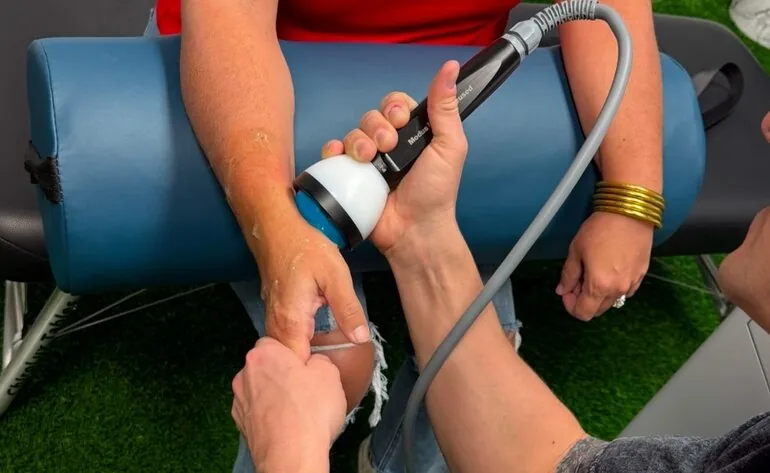
Is lower back pain after a crash serious? Usually not, but red flags include bowel or bladder changes, numbness in the saddle area, progressive weakness, fever, or unrelenting night pain. How do chiropractors treat back pain? With a combination of joint manipulation or mobilization to restore motion, soft tissue work to reduce spasm, traction or decompression in selected cases, and exercises that stiffen what should be stiff and loosen what should be loose. If you are wondering about the difference between back strain and disc pain, strain hurts with movement and eases at rest, while disc pain can be worse with sitting and bending and may refer pain down a leg. Imaging can help if symptoms persist or neurological findings appear, but for many people an exam and a few weeks of conservative care answer the question in practice.
What to expect at a chiropractor after a car accident
The first visit should feel like a thorough interview paired with a careful mechanical exam. You will review the crash, seat position, speed estimate, where your head and body went, when symptoms started, and what helps or worsens them. Expect range of motion testing, orthopedic checks for joint and disc irritation, neurologic screening of reflexes, strength, and sensation, and palpation of muscles and small joint motion.
Do chiropractors take X‑rays on the first visit? Only if history and exam suggest they are necessary. Red flags, suspected fractures, high‑energy crashes, neurological deficits, or failure to improve can prompt imaging. For uncomplicated whiplash, X‑rays on day one often do not change care. Your provider should explain the reasoning either way. Does chiropractic care hurt? Adjustments can feel odd if you have never had one, but good technique should feel like pressure and release, not a fight. Soreness after the first few visits is common and usually settles within a day.
How many chiropractic visits do you need? That depends on the severity of the injury, your baseline health, and the demands you place on your body. For mild sprain‑strain, I often see patients two to three times a week for one to two weeks, then taper as motion normalizes and exercises take over. For more involved cases, care may run six to twelve weeks with decreasing frequency. Is a chiropractor worth it for back or neck pain? If you value faster return to normal movement and want to avoid relying solely on medication, conservative care is a strong option.
What should you wear to a chiropractic appointment? Clothes you can move in. A T‑shirt and shorts or leggings work well. How long does a chiropractic appointment take? First visits can run 45 to 60 minutes with history and exam. Follow‑ups often take 15 to 30 minutes, depending on treatment.
Treatment that tends to work for whiplash and neck stiffness
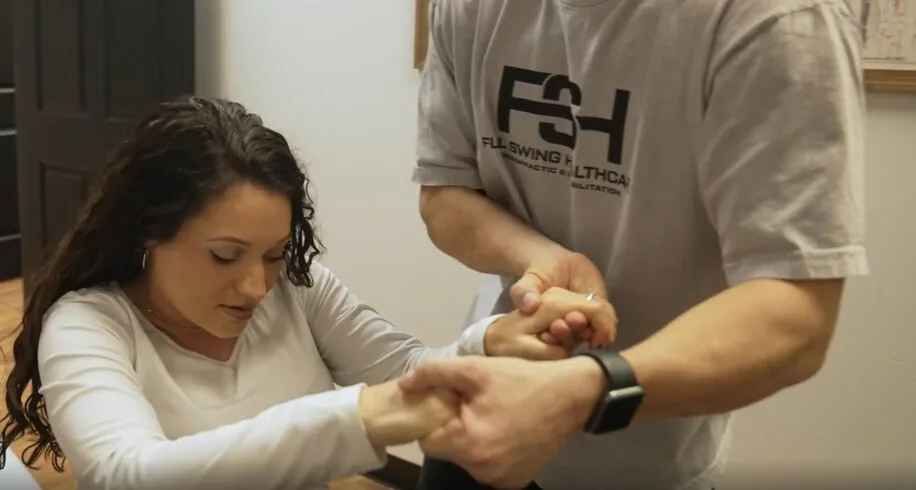
For acute neck pain after a crash or a night of bad sleep, I start gently. Controlled joint mobilization reduces guarding without provoking inflamed tissues. Soft tissue methods like trigger point pressure and instrument‑assisted scraping can release taut bands in the upper traps, levator scapulae, and suboccipitals. Simple home exercises like chin nods, scapular setting, and pain‑free rotations help reeducate stabilizers. Heat can relax muscles, while brief ice after aggravating activities can lower inflammation. If a patient has a lot of sensitivity, I prefer low‑velocity techniques first, then progress to traditional adjustments as tissues settle.
Cervical traction can help selected patients with nerve irritation. McKenzie‑style repeated movements can centralize referred pain. Posture drills that cue a tall chest and long neck teach people to stack their head over their body rather than hanging from their ligaments. If headaches are part of the picture, I add gentle suboccipital release and teach self‑massage tools people can use at home for a minute or two each evening.
Medication, when needed, comes from your medical provider. Short courses of anti‑inflammatories or muscle relaxants can help you tolerate the early phase of rehab. I encourage people to stay as active as their symptoms allow. A slow walk does more for healing than a day on the couch.
If you live locally and you are searching for neck pain relief options in Jacksonville FL, we have a good mix of chiropractic, physical therapy, and sports medicine clinics. The best treatment options for whiplash in Jacksonville FL look similar to the best options anywhere, but our clinics are used to handling Florida auto accident chiropractor insurance questions and the PIP process. Coordination between providers is the norm.
Everyday habits that keep neck pain away
Phones and laptops lure your head forward. Many patients ask why does my neck hurt from looking at my phone. The posture is the reason. Hold your phone a little higher so your neck stays tall, and set screen reminders every 30 to 45 minutes to move. At work, raise your monitor so the top third sits at eye level. Keep the keyboard close so your elbows stay near your sides. Your back will thank you, too, because how does sitting all day affect your spine is simple, it stiffens your hips and upper back while your core checks out.
If you drive a lot, adjust the rear view mirror slightly higher than comfortable when you are sitting tall. That nudge reminds you to lift your chest. Move the seat close enough that your knees are slightly bent and your shoulders can rest on the seat back, not hunch forward. That is the heart of how to prevent back pain while driving.
Sleep habits finish the loop. If you keep waking with neck stiffness and you are wondering can a chiropractor help neck pain that shows up after sleeping, the answer is yes. Treatment helps, but pairing it with pillow and sleep position changes locks in the gains. If headaches follow you through the morning, address both the neck and the habits that trigger the pain. Chiropractic care for headaches in Jacksonville FL often looks like neck treatment plus ergonomic coaching.
Sorting confusing symptoms
Neck and shoulder pain blend. Can whiplash cause shoulder pain? It can, either by referral from the neck or from a bruised shoulder belt area. A careful exam separates a rotator cuff strain from a cervical referral.
People worry about pinched nerves. Can chiropractic adjustments help a pinched nerve? If a joint restriction or disc irritation is narrowing the space for a nerve root, restoring motion can decrease pressure and inflammation. Pinched nerve symptoms after a car accident include arm pain that follows a specific strip, numbness in certain fingers, and weakness in a matching muscle group. That pattern helps guide treatment and tells us when imaging is reasonable.
With lower back pain, people ask sciatica vs lower back pain and how do I know if my pain is sciatica. Shooting pain down the leg, tingling, or a foot that feels “different” usually signals nerve involvement. What makes sciatica worse? Long sitting, deep flexion like tying shoes, and coughing or sneezing can provoke nerve‑root pain. How long does sciatica take to heal? Many cases ease in four to eight weeks with focused care, though severe herniations can take longer.
New patients, cost questions, and picking the right fit
If you are new to conservative spine care, what happens during your first chiropractic visit can feel like a black box. It should not. You should leave with a working diagnosis, a simple explanation in plain language, and a first‑week plan you can follow.
How much does a chiropractor cost in Jacksonville FL varies. Self‑pay initial visits often range from 100 to 180 dollars, with follow‑ups from 50 to 100 dollars, depending on time and services. Auto cases handled under PIP are billed to your insurer. Health insurance coverage varies, and most clinics can check your benefits quickly. How often should you get adjusted is not a one size answer. In acute cases, visits are more Mandarin Jacksonville chiropractor frequent early, then taper. In chronic or desk‑related pain, periodic tune‑ups every few weeks or months can keep things on track, but only if they are paired with home exercise and better ergonomics.
Questions to ask before choosing a chiropractor can be simple. Do you treat auto injuries regularly? How do you decide when to order imaging? What does a typical first month of care look like, and how will we measure progress? If you are a runner or lift weights, ask how chiropractic care for runners with back pain or for gym injuries is handled. If you are pregnant and wondering is chiropractic care safe during pregnancy or can a chiropractor help pregnancy back pain, look for prenatal experience. Jacksonville has several prenatal chiropractor options that are gentle and comfortable.
Bringing it all together for your neck
If your neck hurts after sleeping, check the basics first. Look at your pillow, your position, and your evening habits. Give it a day of gentle movement, a warm shower, and light stretches. If you were in a recent crash and symptoms are building rather than fading, do not wait. Early evaluation matters for your recovery and, in Florida, for your PIP coverage. If you are asking when should I see a chiropractor after a car accident in Jacksonville FL, the practical answer is within the first week, sooner if you are stiff, have headaches, or feel pain spreading into the shoulders or arms.
Here is a short set of cues that mean it is time to get checked today rather than watch and wait:
- Neck pain that started after a car accident, especially with limited motion in both directions
- Headaches, dizziness, or visual changes after a crash
- Numbness, tingling, or weakness in an arm or hand
- Midline neck tenderness or pain with even small movements
- Worsening pain after 48 to 72 hours rather than improving
Whether your pain started on a pillow or at a stoplight, most neck problems respond to calm, consistent, conservative care. The body wants to heal. Give it the right position, the right movement, and the right timing, and it usually does. If you need help sorting your exact case, reach out to a local provider who will take the time to listen and build a plan around your life, not just your X‑ray.
Full Swing Healthcare - Injury & Sports Care Jacksonville 1. Address: 13770 Beach Blvd #4, Jacksonville, FL 32224 2. Phone: (904) 539-3352 3. Hours: M - F: Thursday: 9:00 AM – 7:00 PM Friday: 9:00 AM – 1:00 PM Saturday: Closed Sunday: Closed Monday: Closed Tuesday: 9:00 AM – 1:00 PM Wednesday: 9:00 AM – 7:00 PM 4. Full Swing Health offers the following services: Chiropractic Care Acupuncture Shockwave Therapy Myofascial Cupping Myofascial Scraping (IASTM/Graston Technique) Massage Therapy Dry Needling Athletic Recovery Family Wellness Care Auto Injury Treatment Work Injury Treatment Prenatal Chiropractic Care Postpartum Recovery Care The clinic also treats conditions such as back pain, sciatica, neck pain, whiplash, herniated discs, headaches, plantar fasciitis, and sports injuries.