
Is Chiropractic Care Safe During Pregnancy?
Pregnancy changes almost everything about how your body moves, rests, and tolerates daily life. Joints loosen. Your center of gravity drifts forward. Muscles that have done their job for years suddenly protest with every grocery bag or flight of stairs. It is no surprise that half to two thirds of pregnant people report back or pelvic pain at some point. When those aches pile up, chiropractic care often enters the conversation. Is it safe? What does it involve? And how do you know if a chiropractor is the right fit while you are expecting?
I have cared for hundreds of pregnant patients alongside obstetricians, midwives, physical therapists, and doulas. Most do very well with chiropractic care, especially when the clinician is trained in prenatal techniques and works hand in hand with the rest of the maternity team. The key is appropriate screening, gentle and targeted methods, and clear goals that put maternal and fetal safety first.

What “safe” looks like in prenatal chiropractic
Safety is not a single choice. It is a series of small decisions a provider makes from the first hello to the last appointment. A prenatal chiropractor adapts nearly every part of a standard session. Instead of lying face down on a flat table, you are supported on a pregnancy cushion that cradles the bump, or you lie on your side. Instead of deep, end range spinal thrusts across multiple joints, most adjustments are low force and precise. Many visits lean heavily on muscle and fascia work, joint mobilization, gentle pelvic balancing, and home exercises that settle pain without stressing the abdomen.
Equally important, a good prenatal chiropractor knows when to pause treatment and loop in your obstetric provider. The safest practices share reports with your OB or midwife, ask for clearance when a red flag pops up, and do not hesitate to adjust the plan when your pregnancy throws a curveball.
From a research lens, studies consistently show that manual therapy, including chiropractic and osteopathic care, can reduce low back pain and pelvic girdle pain in pregnancy. The quality of evidence ranges from moderate to limited depending on the method and study design, and pain relief tends to be the most reliable outcome. Claims about faster labor or fewer interventions are popular in marketing, but the data there is mixed and not strong enough to promise. The more grounded expectation is this: less pain, better function, and a clearer plan for movement and sleep as your body changes week by week.
Common issues chiropractic can address during pregnancy
Most prenatal visits revolve around three pain patterns. They often overlap, and the treatment plan usually addresses all of them together.
Low back pain sits at the top of the list. As your belly grows, the lumbar spine extends more than usual, and the multifidi and spinal erectors work overtime to keep you upright. If you had a desk job before pregnancy, those muscles were already carrying a quiet load. Add lax ligaments and your usual posture breaking down, and the result is a nagging ache that flares with standing, cooking, or picking up older kids. Gentle spinal mobilizations, supportive taping, and exercises like pelvic tilts and controlled hip hinges tend to calm this quickly.
Pelvic girdle pain feels different. Many describe it as a deep, sharp discomfort near one or both sacroiliac joints or right over the pubic bone. It can click or feel unstable when you roll in bed. The left side often acts up when the right glute is doing all the work, a pattern I see in runners and teachers who stand all day. Balancing the pelvis, easing spasm in the hip rotators, and coaching strategies like keeping steps short on stairs can produce an immediate win. A sacroiliac belt sometimes earns its keep for longer walks.
Sciatica during pregnancy has its own flavor. Rather than a true disc herniation, most pregnancy sciatica comes from piriformis spasm or mechanical irritation of the nerve as the pelvis shifts. The pain can shoot down the back of the thigh, sometimes into the calf. In the absence of red flag neurological signs, slow release of the hip rotators, neural glide movements, and light lumbar traction techniques resolve a surprising number of cases within weeks. The test is simple: if your leg symptoms ease when you change positions or move through gentle exercises, you are probably dealing with a mechanical issue that responds well to conservative care.
Round ligament pain deserves a mention, even though it is not a spinal problem. It often produces a quick jab in the lower abdomen or groin with sudden movement. While a chiropractor will not treat the ligament directly, balancing the pelvis, taping, and coaching how to roll or stand can reduce those twinges.
Techniques that are considered pregnancy friendly
Most prenatal chiropractors use a menu of low force, position sensitive methods that focus on comfort and safety. You will see fewer high velocity thrusts and more of the following:
Webster style pelvic balancing aligns the sacrum and surrounding soft tissues to reduce asymmetry and ease strain across the pelvic bowl. The goal is improved maternal comfort. Despite marketing hype you may see online, it is not a fetal turning technique. Babies turn when uterine and pelvic mechanics allow space, and maternal comfort and symmetry support that process.
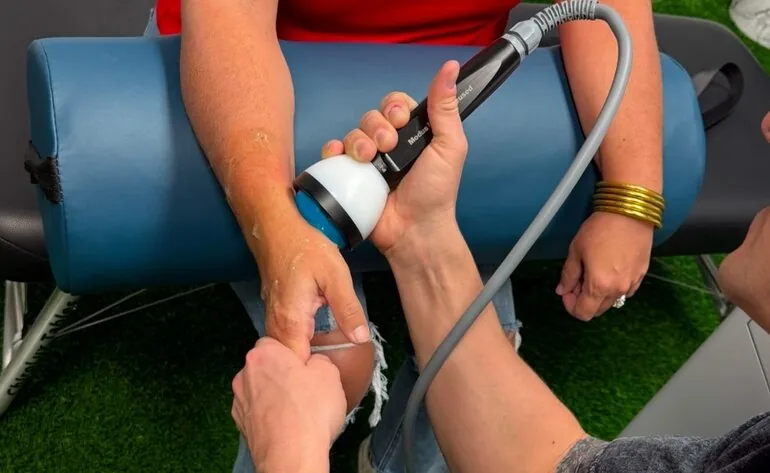
Drop piece or instrument assisted adjustments make subtle corrections with minimal pressure. Pregnant patients appreciate Baymeadows chiropractor how precise and non intimidating these techniques feel.
Soft tissue work targets the piriformis, glutes, hip flexors, and lumbar paraspinals. The pressure is moderate and always away from the abdomen. I usually pair soft tissue work with gentle joint mobilization to help the change “stick.”
Stabilization and breath work connect the diaphragm, pelvic floor, and deep abdominals. Simple drills like 360 degree breathing and pelvic floor relaxation set the stage for more comfortable movement and sleep.
Supportive taping can unload an irritated area between visits. I like to tape the belly when the rectus abdominis feels overworked, or to sling the SI joints during errands that require a lot of standing.
What about X rays or electrical stimulation? X rays are not part of standard prenatal care. They are avoided unless imaging is truly necessary after a trauma and safer alternatives are not available. Electrical stimulation and high heat over the abdomen are also skipped. Ultrasound therapy over the low back or pelvis is generally avoided in pregnancy.
When to say not today
There are moments when any hands on care should pause while an obstetric provider evaluates. That is not fear, it is good judgment. If any of the following appear, call your OB, midwife, or head to obstetric triage rather than the chiropractor.
- Vaginal bleeding, leaking fluid, or suspected rupture of membranes
- Significant cramping with back pain before 37 weeks, or regular contractions
- Symptoms that suggest preeclampsia such as severe headache, visual changes, or sudden swelling, especially with high blood pressure
- Known placenta previa or suspected placental abruption
- Fever, chills, or new neurological deficits such as progressive leg weakness or loss of bladder or bowel control
A few chronic conditions call for careful planning rather than an automatic no. Generalized hypermobility syndromes, including some forms of Ehlers Danlos, often do fine with gentle stabilization work and low force care, but aggressive stretching and repeated end range adjustments can backfire. A history of recurrent preterm labor merits a conversation with your OB about timing and intensity of any manual therapy.
What a first prenatal chiropractic visit looks like
A good first visit is part detective work, part coaching session. You should leave with less pain, a clear plan, and the confidence that your provider knows how to work with pregnant bodies.
- History and screening: Your provider will ask about trimester, due date, prior pregnancies, pain patterns, sleep positions, exercise, and any obstetric concerns. They should review red flags and, if anything sounds concerning, coordinate with your OB.
- Positioning and exam: Expect side lying, seated, or supported prone positions on a pregnancy cushion. The exam assesses spine and pelvic motion, muscle tone, and how you tolerate gentle movements.
- Treatment: Most first sessions include soft tissue work, light mobilization or instrument assisted adjustments, and simple exercises you can do the same day without flaring symptoms.
- Home plan: You will likely get two or three targeted movements, posture changes for work and sleep, and advice on heat or ice. Handouts help, but the best plans fit your day, not an ideal schedule.
- Follow up and communication: Your chiropractor should say how many visits they expect before you feel a clear difference, and whether they will update your OB or midwife.
If a clinic rushes, insists on full spine X rays, or proposes a long prepaid plan before you even move on the table, keep looking.
How many visits, how fast it helps, and what it might cost
Response times vary, but patterns emerge after years of practice. For straightforward low back or pelvic girdle pain, most pregnant patients see meaningful improvement within two to four visits, often over two weeks. If pain started years before pregnancy or if there is significant hypermobility, the arc stretches longer. Visits typically space out as symptoms calm. In the final month, a shorter weekly check in can keep you comfortable as sleep and walking become more challenging.
Costs depend on region and insurance. In many parts of the United States, including cities like Jacksonville, an initial prenatal chiropractic visit ranges from about 100 to 250 dollars, with follow ups between 50 and 120 dollars. Some insurance plans cover chiropractic with a copay, others apply it to a deductible, and a few exclude it. You do not usually need a referral to see a chiropractor, but maternity specific policies sometimes require one for coverage. If you are in Jacksonville FL and unsure whether your plan recognizes prenatal chiropractic, call the number on your insurance card and ask about benefits for spinal manipulation and manual therapy during pregnancy.
Adjustments, soreness, and the question everyone asks about the baby
Can an adjustment hurt the baby? With proper positioning and techniques that avoid abdominal pressure, the risk to the fetus from chiropractic care is exceedingly low. The uterus is well protected by the pelvis, the abdominal wall, and the amniotic fluid. Prenatal chiropractors do not deliver force to the abdomen. The target is the joints and soft tissues of the spine and pelvis, and the forces used in pregnancy are typically lighter than those used in non pregnant adults.
Post treatment soreness can happen, just as it can after a new workout or massage. In pregnancy the soreness window tends to be shorter. Ice or a cool pack over the irritated area for 10 to 15 minutes helps, and a short, easy walk afterward keeps joints moving without strain. If soreness lasts more than 24 to 48 hours, your provider should adjust the plan.
Side sleeping, sitting, and other small changes that make a big difference
A little ergonomics goes a long way. The most common triggers I see are sleep positions and long periods of sitting.
Side sleeping is usually most comfortable with one pillow under the head, a firm pillow between the knees, and a small towel or pillow under the belly so it does not drag the spine forward. If the top shoulder gets sore, hug a pillow to keep the shoulder supported without curling the upper back.
Sitting is easier on your back if your hips are slightly higher than your knees, your feet are flat, and your weight sits over your sit bones rather than tucking your pelvis under. A folded towel at the back of your chair can keep the lumbar curve supported. Breaks are the secret weapon. Set a gentle timer every 30 to 45 minutes to stand, roll your shoulders, and take five slow breaths that posture chiropractor Jacksonville, FL expand your rib cage in every direction.
Driving can aggravate the SI joints if your legs reach for the pedals from a twisted position. Slide the seat close enough that your knee has a soft bend, and add a small lumbar support. Take an extra 30 seconds getting in and out of the car by swinging both legs out together rather than twisting at the hips during a single leg pivot.
How chiropractic fits with prenatal physical therapy, massage, and exercise
Pregnancy care works best as a team sport. Chiropractors and physical therapists overlap in many ways, and patients benefit from that. A chiropractor might restore pelvic motion and ease muscle spasm, then a therapist reinforces that change with targeted strengthening and movement practice. Prenatal massage relieves stress and addresses the soft tissue side of pain. Gentle exercise, from swimming to prenatal yoga, maintains the strength and circulation that every other therapy depends on.
If you already work with a pelvic floor therapist, ask your chiropractor to coordinate. Something as simple as syncing cues for breath and pelvic floor relaxation cuts through the noise and speeds progress.
Special considerations for the third trimester
By the third trimester, your body has new rules. Lying flat on your back can compress the vena cava and make you lightheaded, so treatment positions shift toward side lying and seated work. You may notice a pattern where a long day leads to evening pelvic pain, and a shorter day resets everything by morning. Rather than chasing a perfect, pain free week, aim for small, frequent resets. Ten minutes of walking, a few rounds of cat cow, and a gentle hip stretch sprinkled through the day outperform a single heroic workout or an hour of sitting still.
Many people ask about adjustments close to the due date. Gentle care remains appropriate right up to labor as long as no red flags arise. The focus near term is comfort, sleep, and making daily tasks like putting on shoes or lifting a toddler feasible without flares.
What about breech babies and the Webster technique
This topic gets more attention than it deserves, mostly because marketing outpaced evidence. The Webster technique is a method of assessing and balancing the pelvis and surrounding soft tissues. Its intent is to reduce asymmetry and maternal discomfort. Some practitioners report that babies sometimes turn after their patients feel more balanced. That is plausible, but not guaranteed, and not the same as a direct fetal turning procedure. External cephalic version, performed by an obstetric provider in a hospital or clinic setting, is the established technique for attempting a turn. If your baby is breech in the third trimester, talk to your OB or midwife about your options. It is reasonable to pursue pelvic comfort work with a chiropractor sports chiropractor Jacksonville, FL while you explore medical options, and the two are not mutually exclusive.
Choosing a prenatal chiropractor you trust
Training matters. Look for someone who regularly treats pregnant patients, not a generalist who sees one or two a year. Many clinicians seek additional education in prenatal techniques, often through groups that focus on pregnancy and postpartum care. Ask how they modify care by trimester, what positions they use, and how they coordinate with obstetrics. A thoughtful answer beats a flashy one. If you are in a city like Jacksonville FL, where options are plentiful, you can afford to be picky. Read a few reviews, but let your body be the final judge. If you feel rushed, unheard, or worse after two to three sessions, that clinic may not be your match.
A quick word on children and future family care
Families often ask whether chiropractic is safe for children once the baby arrives. Pediatric care is a separate skill set. Techniques use very light pressure, and the goals differ from adult care. If you are curious, look for a chiropractor with specific pediatric training and a track record of collaborating with your pediatrician. For now, your focus is your own comfort and mobility so you can meet labor and postpartum life with as much reserve as possible.
Putting it all together
Chiropractic care during pregnancy is generally safe when performed by a clinician trained in prenatal methods who communicates well with your obstetric provider. The strongest benefits are straightforward: less back and pelvic pain, easier walking and sleeping, and practical coaching that turns daily life into part of your therapy. A few conditions and symptoms call for medical evaluation first, and a good chiropractor will guide you there without hesitation. Gentle, specific techniques, smart positioning, and a short list of exercises you can truly do each day beat complicated plans every time.
Pregnancy already asks a lot of you. If back or pelvic pain is stealing your sleep or keeping you from the activities that keep you grounded, you do not have to white knuckle your way through the next months. With the right support, many people feel the difference within a couple of visits and carry those gains right up to delivery day.
Full Swing Healthcare - Injury & Sports Care Jacksonville 1. Address: 13770 Beach Blvd #4, Jacksonville, FL 32224 2. Phone: (904) 539-3352 3. Hours: M - F: Thursday: 9:00 AM – 7:00 PM Friday: 9:00 AM – 1:00 PM Saturday: Closed Sunday: Closed Monday: Closed Tuesday: 9:00 AM – 1:00 PM Wednesday: 9:00 AM – 7:00 PM 4. Full Swing Health offers the following services: Chiropractic Care Acupuncture Shockwave Therapy Myofascial Cupping Myofascial Scraping (IASTM/Graston Technique) Massage Therapy Dry Needling Athletic Recovery Family Wellness Care Auto Injury Treatment Work Injury Treatment Prenatal Chiropractic Care Postpartum Recovery Care The clinic also treats conditions such as back pain, sciatica, neck pain, whiplash, herniated discs, headaches, plantar fasciitis, and sports injuries.