
How Long Should Neck Pain Last After a Crash? Recovery Guide
Neck pain after a car accident has a way of stealing your attention at the oddest times. You might feel fine at the scene, trade information, head home, then wake the next morning with a stiff, grinding ache that was not there before. Or the pain creeps in three days later, right when you think you got lucky. As a chiropractor who has evaluated hundreds of Jacksonville drivers after rear end collisions, I can tell you this pattern is common and usually comes down to how the body reacts to sudden force.
This guide explains what to expect from neck pain after a crash, how long it tends to last, which signs deserve urgent care, and how conservative treatment, including chiropractic care, can help you heal. I also cover Florida’s PIP rules so you do not miss important deadlines that affect your benefits.
Why neck pain shows up late
During a collision, your head snaps forward and back relative to your torso. Even in a minor fender bender, that quick change in speed can overstrain the small muscles, joint capsules, and ligaments that steady the neck. Adrenaline and endorphins blunt early pain, and the first wave of inflammation peaks 24 to 72 hours later. That is why many people ask, how long after a car accident can neck pain start, and the honest answer is anywhere from immediately to several days afterward.
Another quirk, stiffness often feels worse in the morning. Overnight, tissues stiffen and joint fluid thickens, so your first few movements spotlight irritation that was already there. As you warm up, pain may ease, only to flare with desk work, phone posture, or long drives.
Typical healing timelines
Soft tissue injuries heal in phases, and your recovery follows the same arc. Here is what I see most often:
- Mild strain and joint irritation, the kind that limits rotation but not daily tasks, tends to improve in 1 to 3 weeks with home care, gentle movement, and a few targeted treatments.
- Whiplash associated disorder grades 1 to 2, which include muscle guarding, reduced range of motion, and achy pain without nerve damage, usually calm in 2 to 12 weeks. Progress is rarely linear, expect good and bad days.
- Whiplash with nerve irritation, headaches that do not respond to usual care, or signs of disc injury can take longer, often several months, with focused rehab and close monitoring.
- A small subset, roughly 10 to 20 percent in published studies, develop persistent symptoms beyond 3 months. Factors include high initial pain, prior neck problems, older age, and delayed return to gentle activity. The sooner we set expectations and start the right plan, the better the odds of breaking that cycle.
So, how long should neck pain last after a crash? For many, the meaningful improvement window is within the first 2 to 6 weeks. If your pain is not trending better by week three, or if it limits sleep and work, get it checked.
When neck pain is more than whiplash
Most crash related neck pain is mechanical, meaning it comes from irritated muscles and joints rather than a dangerous process. Still, certain red flags mean you should choose urgent care or the ER over a routine appointment.
- Severe neck pain with new weakness, numbness, or clumsiness in a hand or arm
- Loss of balance, fainting, double vision, trouble speaking, or a new severe headache that feels different from usual
- Midline neck tenderness with significant trauma or inability to turn the head more than a few degrees
- Pain with fever, unexplained weight loss, or a history of cancer, osteoporosis, or long term steroid use
- Neck pain after a high speed crash with airbag deployment plus persistent confusion or vomiting
If you are unsure which door to choose, call a clinic and describe your symptoms. In Jacksonville, I often direct patients with the above signs to urgent care or the ER first, then coordinate follow up care once imaging has ruled out a fracture or serious nerve injury. For everything else, a hands on exam is a smart start.
Why your back hurts days after a car accident
People often ask, why does my back hurt days after a car accident when the pain was only in my neck at first. The thoracic and lumbar spine absorb and share forces from the crash, then from the way you move afterward. Guarding in the neck shifts load to the mid back and low back. If you sit more because you feel beat up, hip flexors and spinal erectors tighten, and you notice soreness with standing or after driving. This is not a character flaw or a sign you are falling apart, it is a predictable chain reaction that good rehab can unwind.
Jacksonville specific questions: who to see, and when
If you are wondering when should I see a chiropractor after a car accident in Jacksonville FL, the practical answer is within 24 to 72 hours if you are sore, and definitely within 14 days even if your pain seems minor. Florida’s Personal Injury Protection, or PIP, has a time limit that matters to your benefits. If you plan to use your PIP coverage, you need an initial medical evaluation within 14 days of the crash. Waiting out the pain may feel stoic, but it can limit coverage later.
If you are deciding between a chiropractor or urgent care after a car accident in Jacksonville FL, use the red flags above to guide you. For typical whiplash, a chiropractor who treats auto injuries regularly is a good first stop. If you prefer urgent care on day one, that is fine, but follow up with a musculoskeletal provider within a couple of days to build a recovery plan.
Do I need a chiropractor after a minor car accident? Not everyone needs formal care, but most people benefit from at least one evaluation. Minor crashes still deliver rapid deceleration that can irritate joint linings and create muscle guarding. A short course of care can prevent stiff patterns and nagging headaches that otherwise linger for months.
Can a chiropractor help after a rear end collision? Yes, with the right case selection. Post collision care focuses on restoring normal joint motion, reducing protective spasm, and retraining the deep stabilizers that lost coordination during the injury. That is well within our wheelhouse.
What to expect at a chiropractor after a car accident
A good post crash visit is not a five minute pop and go. Expect a detailed history, exam, and a plan that matches your situation. On a first visit in my Jacksonville office, the timeline looks like this:
We start with your story. Crash details matter. Seat position, headrest height, whether you saw it coming, and the angle of impact all help predict which tissues took the hit. I ask when neck pain started, what makes it worse, and whether you have headaches, dizziness, ringing in the ears, or jaw soreness. We also screen for memory lapses and concentration issues that point to a mild concussion, which can overlap with neck strain.
The exam includes range of motion, joint palpation, neurological screening for strength, reflexes, and sensation, and specific orthopedic tests that provoke or relieve symptoms. If you report shooting pain down the arm, grip weakness, or numbness, I examine nerve tension and watch for disc signs.
Imaging is not routine. Guidelines suggest X rays or MRI when red flags are present, symptoms are severe, or your progress stalls after a few weeks. A healthy adult with classic whiplash seldom needs immediate imaging. If I suspect a fracture, instability, or significant disc injury, I refer for the right scan without delay.
Treatment starts gently. Early sessions often use mobilization, low amplitude spinal adjustments, soft tissue work for the cervical paraspinals, scalenes, and suboccipitals, and simple drills for the deep neck flexors and shoulder blade stabilizers. I often add instrument assisted techniques for stubborn myofascial bands, light traction to reduce joint compression, and a home plan with movement doses you can actually follow.
Sessions run 45 to 60 minutes on the first visit, then 15 to 30 minutes for follow ups. Many patients feel looser after the first treatment, but real change stacks over several visits. Expect a recheck every 2 to 3 weeks to adjust the plan.
Can a chiropractor help with soft tissue injuries after a crash
Yes. Soft tissue injury does not mean do nothing, it means dose the right stress at the right time. The early goals are to reduce pain, keep joints moving, and restore muscle activation. As symptoms calm, we step into progressive loading so the neck and upper back tolerate daily life again. Think of rehab as a ramp, not a switch.
People worry, does chiropractic care hurt. The work should not make you wince. You may feel tender spots during soft tissue treatment and a mild soreness later, similar to post workout fatigue. If pain spikes during care, the plan needs an adjustment.
Headaches, shoulder pain, and other add ons
Mechanical neck pain and headaches travel together. Can whiplash cause headaches? Often, through sensitized joints in the upper neck and irritated muscles that refer pain to the skull. The small joints at C2 to C3 and the suboccipital region are common culprits in post crash tension headaches and migraines. Gentle joint work, specific exercises like chin nods and Mandarin Jacksonville chiropractor deep flexor holds, and trigger point release around the base of the skull usually help within a few visits.
Shoulder pain after a crash can be its own injury or a neck referral. Can whiplash cause shoulder pain? Yes, especially along the upper trapezius and deltoid region. If you cannot lift your arm overhead or reach behind your back, or if the shoulder hurts to the touch at the front groove, I test the rotator cuff and biceps tendon and co manage with an orthopedist when needed.
When is neck pain after an accident serious
A few patterns mean we should reconsider the plan. Night pain that wakes you repeatedly, pain that steadily worsens after 10 to 14 days without any relief windows, or new neurologic symptoms are not typical of a mild strain. Also pay attention if whiplash gets worse after a few days despite resting more. Sometimes the body needs the opposite, controlled motion rather than more guarding. That is where coached activity has an edge over bed rest.
Florida PIP basics for chiropractic care
If you live in Jacksonville, you have heard of PIP. How does Florida PIP work after a car accident? It is Florida’s no fault coverage that pays a portion of your medical bills and some lost wages regardless of who caused the crash. Most policies carry $10,000 in PIP limits.
Here are the key points that affect chiropractic care:
- What is the 14 day rule for car accidents in Florida? You must seek initial medical evaluation within 14 days of the collision to open PIP benefits. A chiropractor can provide this initial service.
- Does PIP cover chiropractic care in Florida? Yes. PIP reimburses a percentage of necessary chiropractic treatment, but massage and acupuncture are not covered under PIP when billed as standalone services.
- How much chiropractic care does PIP cover in Florida? PIP typically pays 80 percent of reasonable medical expenses up to your policy limit. If your condition is not certified as an Emergency Medical Condition, benefits for medical care may be capped at $2,500.
- Who can certify an Emergency Medical Condition? Under current law, a physician, osteopathic physician, dentist, physician assistant, or advanced registered nurse practitioner can determine an EMC. Chiropractors cannot make the EMC determination. We coordinate with your medical provider if an EMC is appropriate.
- Can I use PIP insurance for a chiropractor in Jacksonville FL? Yes, as long as you seek care within the 14 day window and treatment is medically necessary.
What happens if I miss the 14 day PIP deadline in Florida? Insurers can deny PIP benefits if there is no initial evaluation within 14 days. You may still have other coverage options, like health insurance or the at fault driver’s bodily injury liability if applicable, but you lose the quick access PIP provides.
Do I need a referral to see a chiropractor after a car accident in Florida? Not usually. Chiropractors are portal of entry providers in Florida. Your plan may have its own rules if you are using health insurance, so it is worth a call.
Does car insurance pay for chiropractic treatment after an accident? With PIP, usually yes, up to policy limits and subject to the EMC cap. MedPay, if you added it, can help cover your portion. Beyond that, claims may involve the at fault party’s insurer. A reputable clinic should help you understand the billing path before you start.
A simple plan for the first two weeks
If I could give every post crash patient a card to keep in the glove box, it would read:
- Within 24 to 72 hours, schedule an evaluation with a provider experienced in auto injuries. Document symptoms even if they seem minor.
- Within the 14 day window, open your PIP claim and confirm whether a medical provider can make an EMC determination if needed.
- Move early, but gently. Practice pain free neck rotations, shoulder blade squeezes, and easy walking. Avoid heavy lifting and long static postures.
- Use short bouts of ice or heat for comfort and aim for consistent, not heroic, home care.
- Reassess at 10 to 14 days. If your pain is not improving, or if new symptoms appear, escalate the workup.
Whiplash myths that slow recovery
Two beliefs cause more trouble than the injury itself. The first is that rest solves everything. Total rest weakens stabilizers, stiffens joints, and prolongs sensitivity. The second is that a single adjustment fixes whiplash. While a well placed adjustment can unlock guarded joints and bring quick relief, lasting change comes from a sequence of care, not a one time move. I coach patients to think in sets and reps, just like strength training, because tissues remodel with repetition.
How chiropractors treat neck stiffness after a crash
Treatment plans look different person to person, but the building blocks are familiar:
Gentle joint work. Depending on tolerance, I use low velocity mobilizations or specific high velocity adjustments to restore motion at restricted segments. If you are anxious about manual adjustments, there are instrument assisted options that use spring loaded or electronic devices to deliver low force impulses.
Soft tissue therapy. Techniques include myofascial release, contract relax for tight scalenes and levator scapulae, and light pin and stretch through the upper trapezius. For stubborn suboccipital tension that drives headaches, I combine gentle release with deep neck flexor activation.
Targeted exercises. Early drills focus on motor control: chin nods without poking the chin, scapular setting, and mid back extension over a towel or foam roll. As pain eases, we add isometrics for rotation and side bending, and rowing patterns to balance desk posture. I keep the daily dose realistic, usually 6 to 10 minutes morning and evening.
Ergonomic coaching. Little changes add up. Raise screens to eye level, bring the wheel a bit closer, and plan micro breaks. If you ask, why does my neck hurt after sleeping, look at pillow height. Aim to keep your nose level with your sternum, not pitched up or down.
Reassurance and pacing. Recovery is not a straight line. Fear can amplify pain, and overconfidence can flare it. The sweet spot lives between, and your plan should keep you there.
A real world example
A Jacksonville teacher in her mid 30s came in three days after a low speed rear impact on San Jose Boulevard. She felt fine at the scene, then woke with a chiropractor Jacksonville stiff neck and a band of headache behind the eyes. Range of motion was limited by 30 percent, with tender points along the suboccipitals and upper traps. Neurologic testing was normal.
We started with gentle joint mobilization, soft tissue work, and deep neck flexor drills she could do at home in 3 minute blocks. She used heat in the morning, ice after work, and took two short walks a day. By visit three, her rotation improved by about 20 degrees and headaches dropped from daily to twice a week. At week three, we added light resistance bands and thoracic extension on a foam roll. By week six, she was symptom free with full motion and a desk routine that kept it that manual therapy chiropractor Jacksonville, FL way.
Not every case moves that fast, but the pattern is common: steady progress with a few predictable plateaus, then full recovery.
What if neck pain lingers past a month
Persistent pain does not mean you are broken. It means we should look deeper. I check for overlooked drivers like jaw clenching, rib stiffness that limits rotation, or weak lower traps that force the neck to overwork. I also screen for sciatica vs lower back pain if you report leg symptoms, since a crash can irritate lumbar discs and create shooting pain down the leg. When needed, I co manage with a physical therapist, pain management specialist, or neurologist. The goal is the same, reduce sensitivity and restore capacity.
Related pains: lower back, sciatica, and posture fallout
Can a chiropractor help lower back pain after a crash? In many cases, yes. What causes lower back pain after a car accident varies, from muscle strain to facet joint irritation to a true disc injury. We sort that out in the exam and tailor care. Some patients ask, what is the difference between back strain and disc pain. In broad strokes, a strain feels better with gentle movement and worse with heavy lifting, while disc pain can create sharp, flexion sensitive pain and sometimes leg symptoms. If you notice shooting pain down the leg or numbness in a foot, we test for nerve tension and reduce positions that pinch the nerve. Can a car accident cause sciatica? It can, though not every leg pain is sciatica.
Desk life complicates recovery. Can poor posture cause neck pain and headaches after a crash? It does not cause them alone, but it fuels the fire. How does sitting all day affect your spine? It reduces blood flow to discs, shortens hip flexors, and deconditions the mid back. Small fixes go far. Set a 30 to 45 minute timer to stand or walk for two minutes. Place your monitor at eye height. Keep your phone at chest level, not in your lap.
Choosing care in Jacksonville
If you are searching for chiropractor for whiplash after car accident Jacksonville FL or neck pain relief options in Jacksonville FL, look for a clinic that:
- Takes a thorough history and uses functional tests, not just X rays, to decide care
- Explains your diagnosis in plain language with a clear plan and expected timeline
- Coordinates with medical providers for imaging or EMC certification when appropriate
- Teaches home exercises you can do in 10 minutes a day and checks your form
- Is comfortable adjusting their approach if your pain flares or stalls
A quick word on cost. How much does a chiropractor cost in Jacksonville FL varies. Typical ranges I see: 100 to 200 dollars for an initial evaluation without insurance, 40 to 80 dollars per follow up. With PIP, plans usually cover a large share of medically necessary treatment up to limits. Ask the front desk to verify your benefits before you start.
What happens during your first chiropractic visit has already been outlined, but two practical tips make it smoother. Wear comfortable clothing that allows neck and shoulder movement, and bring your crash report or claim number if you have one. Do chiropractors take X rays on the first visit? Only when clinically indicated. Many soft tissue cases do not need imaging right away. How many chiropractic visits do I need depends on your response. For simple strains, 4 to 8 visits over a few weeks is common. More complex cases may need 8 to 16 visits plus a home program.
Short answers to common questions
How do I know if I have whiplash after a car accident? Neck pain and stiffness starting within hours to days, reduced range of motion, and headaches, especially at the base of the skull, fit the pattern. Tenderness along the side of the neck and upper shoulders also points to whiplash.
Can a chiropractor help with whiplash? Yes, through joint and soft tissue care, graded exercise, and ergonomic coaching. Many patients notice improvement within the first few visits, with steady gains over several weeks.
How long does whiplash last after a car accident? Mild cases improve within 2 to 6 weeks. More severe or multi region cases can take several months. If you are not improving by week three, get re evaluated.
What happens if whiplash goes untreated? Some people do fine, but untreated stiffness can lead to persistent headaches, limited rotation that affects driving, and compensatory low back pain. Early guidance reduces that risk.
Can neck problems cause headaches and migraines? Yes. Upper cervical joints and muscles can refer pain into the skull. Addressing those drivers often reduces both frequency and intensity.
When should I worry about headaches after a crash? Seek urgent care for a severe new headache, especially with confusion, vomiting, visual changes, or neurological symptoms. For typical tension type headaches tied to neck movement, conservative care is appropriate.
The bottom line on duration and recovery
If you are asking how long should neck pain last after a crash, expect a few key milestones. Soreness may build over the first 1 to 3 days, then start to settle within 2 to 3 weeks for mild cases. Many whiplash patients feel meaningfully better by weeks 4 to 8 with consistent, active care. If pain is not improving by week three, if it disrupts sleep, or if nerve symptoms appear, get a focused evaluation. And if you are in Florida, remember the 14 day PIP rule. Even a quick initial visit in that window protects your options.
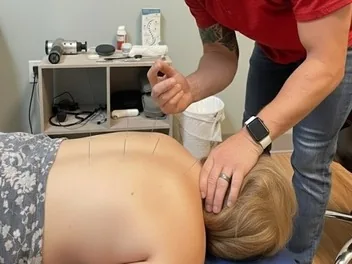
Healing favors motion, smart dosing, and steady habits. Choose a provider who explains the why, not just the what, and who adapts the plan as you recover. If you are in Jacksonville and sorting through PIP chiropractor Jacksonville FL questions, a short phone call with a clinic that handles auto cases daily can save you hours of uncertainty. Most important, do not wait for perfect conditions. A small step today beats the best plan next month.
Full Swing Healthcare - Injury & Sports Care Jacksonville 1. Address: 13770 Beach Blvd #4, Jacksonville, FL 32224 2. Phone: (904) 539-3352 3. Hours: M - F: Thursday: 9:00 AM – 7:00 PM Friday: 9:00 AM – 1:00 PM Saturday: Closed Sunday: Closed Monday: Closed Tuesday: 9:00 AM – 1:00 PM Wednesday: 9:00 AM – 7:00 PM 4. Full Swing Health offers the following services: Chiropractic Care Acupuncture Shockwave Therapy Myofascial Cupping Myofascial Scraping (IASTM/Graston Technique) Massage Therapy Dry Needling Athletic Recovery Family Wellness Care Auto Injury Treatment Work Injury Treatment Prenatal Chiropractic Care Postpartum Recovery Care The clinic also treats conditions such as back pain, sciatica, neck pain, whiplash, herniated discs, headaches, plantar fasciitis, and sports injuries.