How Does Sitting All Day Affect Your Spine and Posture?
I spend a lot of my day helping desk workers, drivers, and phone-tethered professionals reclaim a spine that moves well and does not ache by lunch. The pattern is familiar. Someone powers through stacked meetings, grabs a sandwich at the keyboard, answers a few more emails from the car, then wonders why the base of their neck is throbbing by dinner and their lower back feels older than their birth certificate. If that sounds like your week, you are not broken. You are just paying the mechanical tax of prolonged sitting.
Let’s unpack what sitting does to the spine and the simple habits that unwind the pressure. Along the way, I will touch on common questions about headaches, sciatica, driving pain, and when it makes sense to call a chiropractor, including practical details for folks in Jacksonville, Florida.
The physics of sitting, in plain English
A healthy spine behaves like a springy column. Discs cushion, joints glide, and muscles balance stiffness with elasticity. Movement, even small amounts, pumps fluid into discs and nourishes cartilage. The moment you park in a chair for hours, you change those inputs.
Pressure on the lower lumbar discs rises the moment you slump. That pressure is not inherently dangerous for short periods. Problems start when you hold one position for too long. Imagine squeezing a sponge and never letting it re-expand. Discs lose fluid content during the sitting bout. The small facet joints in the back of the spine, which are designed to help guide motion, become sticky when they do not move. Meanwhile, hip flexors shorten at the front, glutes get quiet, and mid-back muscles that hold your shoulder blades back work overtime.
Your neck experiences a similar trade. Each inch your head drifts forward adds roughly 10 extra pounds of effective load to the cervical spine. It is like carrying a bowling ball out at arm’s length rather than tucked to your chest. If your work is laptop based or you read from a phone, that drift happens quietly. After two hours, muscles at the base of the skull and along the sides of the neck feel like tight guitar strings.
Sitting, by itself, is not a villain. Stasis is. Your spine loves variety. The more one position dominates your day, the more likely it will complain.
What prolonged sitting does to discs, muscles, and nerves
Discs respond to time and load. After an eight hour desk day, imaging studies show a mild but measurable decrease in disc height that reverses with rest and movement. That temporary “flattening” makes forward bending feel stiff. If you bend to load the dishwasher after a day at the computer, the base of your spine might bark not because it is damaged, but because tissues are still in their compressed state. Give them motion and blood flow, then try again, and the same movement often feels better.
Muscles adapt too. Hip flexors and the deep psoas shorten. The gluteus medius, a key stabilizer for the pelvis, goes offline from disuse. The multifidi, tiny postural muscles along the spine, lose endurance. None of this shows up overnight, but stack weeks of 40 plus sitting hours, and you will notice that standing up straight feels like work.
Nerves do not like prolonged stretch or compression. Sit with one leg crossed tightly and you can irritate the peroneal nerve near the outside of the knee, creating tingling into the foot. Sit on a wallet and you might aggravate the sciatic nerve on that side, causing a vague ache or true sciatica, which is shooting pain down the leg. Sciatica vs lower back pain often comes down to whether symptoms travel below the knee, whether there is tingling or numbness, and whether cough or sneeze aggravates it. True nerve pain needs a different strategy than a simple muscle strain.
Posture myths and what “neutral” really means
People hear neutral spine and think military stiffness. That posture is unsustainable and unnecessary. Neutral is a range, not a single angle, where your ribs stack over your pelvis and your head balances over your shoulders without effort. You can and should move within that range all day.
The myth that there is one perfect chair height or one perfect lumbar curve traps people in rigid habits. It is better to own a few decent positions and rotate among them. Sit tall for a half hour while you write. Lean back and let the chair best chiropractor near me Jacksonville, FL support you while you read. Stand for the video call. Perch on a stool to sort email. The posture that hurts your spine most is the one you refuse to leave.
Why your neck and head ache after screen time
Can poor posture cause neck pain and headaches? Yes, through a couple pathways. The suboccipital muscles at the base of the skull anchor your head position. When your head drifts forward, those muscles tighten, and they share connective tissue with a thin sheath that can refer pain into the temples. That is how neck problems can cause headaches, often felt as a band around the head by midafternoon. Whiplash and old neck injuries make this system more sensitive. People often ask why they get headaches after a car accident, and one reason is that the sensitized neck has less tolerance for static postures like reading or computer work. Even months later, long screen sessions can kick off a headache cascade.
Why does my neck hurt from looking at my phone? It is the duration and angle. Thirty seconds at 45 degrees is nothing. Two hours a day at 45 to 60 degrees adds up to thousands of pounds of cumulative load across the week. Lift the screen closer to eye level, give the small muscles a break, and you will cut that burden.
Lower back pain after a day at the desk
Why does my back hurt after working at a desk? Three culprits dominate. First, compressed discs and stiff joints from prolonged forward sitting. Second, fatigued postural muscles that lose the ability to hold a gentle curve in your lower back. Third, deconditioned hips and glutes that do not share the load when you stand, turn, or lift.
Is lower back pain after a crash serious, and does sitting affect it? After a car accident, even a minor one, your tissues are inflamed. Sitting pressures the same zones that were stressed during the impact, which can make pain feel worse days later. People frequently ask why does my back hurt days after a car accident, and one honest answer is delayed inflammation and muscle guarding. The body stiffens in protection, then sitting pushes on the guarded area. If pain shoots down the leg, if you feel weakness, or if symptoms worsen rather than improve over a week, get a professional involved. Chiropractors, physical therapists, and sports medicine physicians see these patterns daily.
Driving and long commutes
Why does my lower back hurt after driving? Vibration, hip angle, and inactivity. Vehicle seats often tilt the pelvis backward, which flattens the lumbar curve and increases disc pressure. Add highway vibration and you have a perfect stiffness recipe. Adjust the seat so your hips are level with or slightly higher than your knees, add a small lumbar roll, and plan breaks every 60 to 90 minutes on longer IASTM chiropractor Jacksonville, FL trips. Short local drives are trickier, since you cannot stop. In that case, pay attention to how you exit the car. Pivot your whole body out rather than twisting with one foot planted on the floorboard.
Two quick wins you can deploy tomorrow
I like simple, repeatable drills that do not get in the way of your work. Here are two that patients actually keep doing months later.
Microbreak recipe that earns its keep:
- Every 30 to 45 minutes, stand for 60 to 90 seconds.
- While standing, reach both arms overhead, inhale, then exhale and drop the ribs, twice.
- Step one foot back, squeeze the back-side glute for 10 seconds, switch sides.
- Roll the shoulders up, back, and down three times, slow.
- Sit back down and reset your eyes on something farther than the screen for 10 seconds to relax the focusing muscles.
A desk setup checklist that avoids overthinking:
- Top of the screen near eye level, about an arm’s length away.
- Knees and hips at similar height, feet flat or supported.
- A small lumbar support that touches the beltline region, not the mid-back.
- Keyboard close enough that elbows stay near your ribs, wrists level.
- A headset for calls so your neck does not cradle the phone.
Stretches and mobility that matter
The best stretches for office workers with back pain target the hips and mid-back. Think of three movements you can do in dress clothes. A standing hip flexor stretch with a gentle pelvic tuck, a seated figure four stretch for the outer hip, and an open book rotation for the mid-back on the floor or even seated. Hold 20 to 30 seconds, breathe into the stretch, and never chase pain. If you feel nerve symptoms during a stretch, modify the angle or skip it that day.
Mobilizing the thoracic spine, the mid-back between the shoulder blades, does double duty. It takes pressure off the neck by allowing the ribs and spine to extend, and it eases low back strain by distributing bending more evenly. A towel roll placed horizontally under the mid-back while you lie on the floor for 60 to 90 seconds feels surprisingly restorative after a long call.
Strength is posture, posture is strength
You cannot stretch your way out of a strength problem. To improve posture naturally, include short strength snacks during the week. Rows with a band, dead bugs for trunk control, side planks for lateral stability, and hip hinges for glute power change how you hold yourself at the desk without you thinking about it. Two to three sets, two or three days per week, is enough to move the needle in a month. You are not chasing soreness. You are building endurance in the muscles that must quietly work all day.
If your back pain keeps coming back, it is often not because nothing helped, but because the helpful inputs faded. After an initial bump from treatment, people stop the strength work. Pain is a persistence problem more than a mystery diagnosis in many deskbound cases.
Sleep, pillows, and the reset button
If your neck hurts after sleeping, it could be your day’s posture catching up at night, not just the pillow. That said, a pillow that keeps your neck in line with the rest of your spine pays dividends. Side sleepers often do best with a thicker pillow that fills the space between the shoulder and neck. Back sleepers want something thinner with a small ridge under the neck. Stomach sleeping is the hardest on the neck, but if that is the only way you fall asleep, use a thinner pillow or none at all and place a small pad under the shoulder to reduce rotation.
Quality sleep is also when discs rehydrate. Cutting late caffeine, dimming screens, and a brief evening walk help your tissues recover from the day’s sitting more than people realize.
When to see a pro about sitting pain
Here is my threshold. If your pain is interfering with work or sleep for more than one week, if you notice weakness, numbness, or tingling down a limb, or if you have a history of cancer, unexplained weight loss, fever, or recent trauma, schedule an evaluation. When should I see a chiropractor for back pain or neck pain that seems desk related? Early enough that you are not layering compensations for months.
What happens during your first chiropractic visit matters. You should expect a history that explores daily habits, past injuries, and specific aggravators. A good exam includes movement testing, neurologic screening if there are nerve symptoms, and palpation of the spine and surrounding muscles. Do chiropractors take X rays on the first visit? Only when indicated. Imaging is useful when there is trauma, red flags, or a suspicion of fracture or significant degenerative change that would alter management. For garden variety desk pain, X rays add little and expose you to unnecessary radiation.
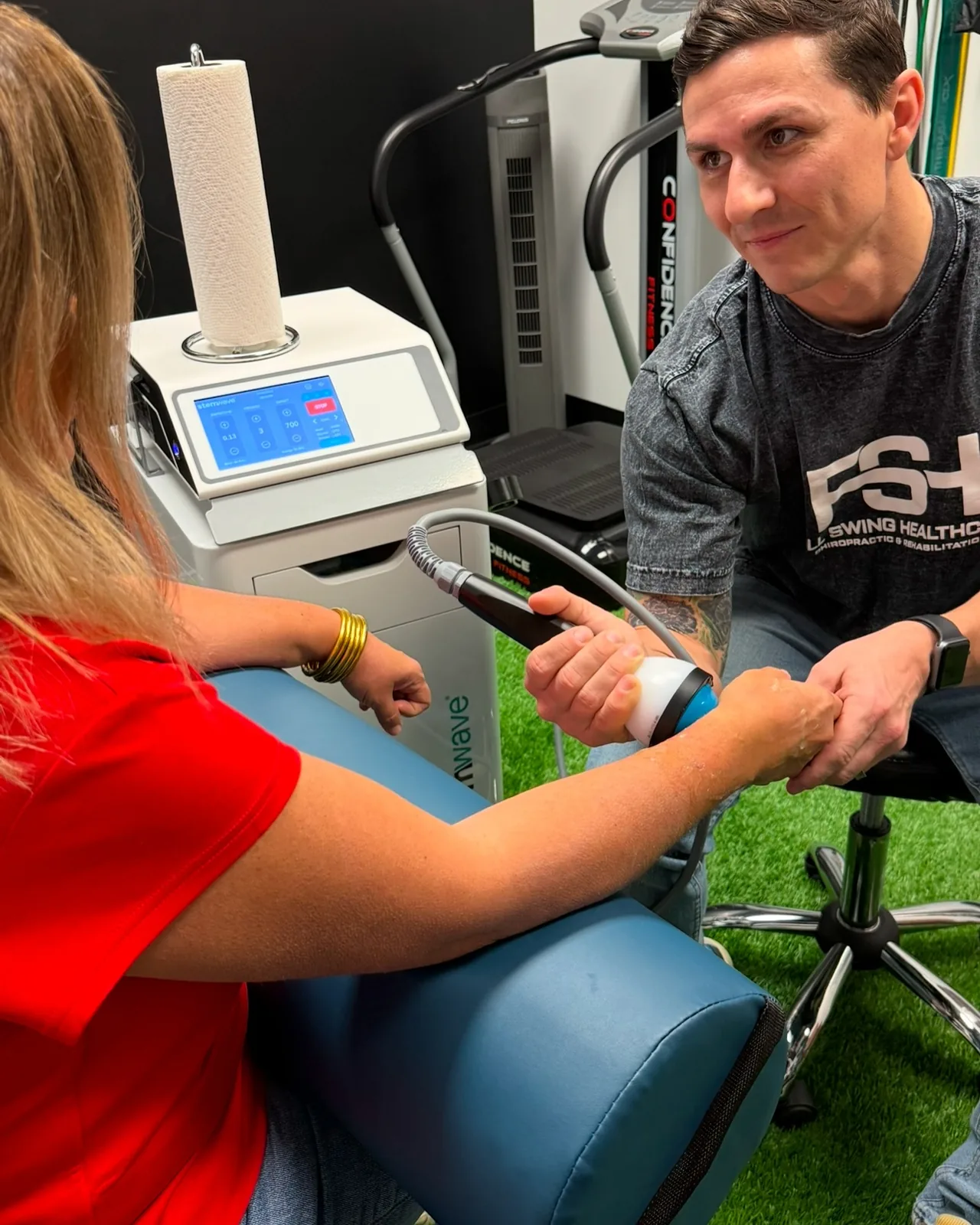
How do chiropractors treat back pain and neck stiffness tied to sitting? The best care blends hands on techniques with active homework. Spinal adjustments can restore motion to stiff segments. Soft tissue work around the neck, chest, and hips reduces protective tone. The essential piece is targeted exercise that improves endurance and control, which is how you keep gains between visits. Can a chiropractor help with posture? Yes, when the focus includes awareness, workstation coaching, and progressive strength, not just quick adjustments.
How many chiropractic visits do I need, and how often should you get adjusted? The range is wide. For uncomplicated desk-related pain, I typically see people weekly for two to four weeks, then taper as they own the exercises. Chronic or recurrent issues may need a longer runway. Maintenance is a personal choice based on how your job loads your body. It should not replace the daily microbreaks and strength snacks.
Does chiropractic care hurt? Treatment should reduce pain. Some techniques feel intense for a few seconds, similar to a deep stretch. Soreness the next day is possible and usually fades quickly. If you are anxious about adjustments, speak up. There are many low force options that work well.
What should I wear to a chiropractic appointment? Clothing that lets you move easily. Athletic wear or business casual that is not restrictive works fine. How long does a chiropractic appointment take? The first visit often lasts 45 to 60 minutes. Follow ups range from 15 to 30 minutes depending on the clinic and the plan.
Is a chiropractor worth it for back pain that flares at the desk? If self care has stalled and pain is limiting your day, guided care can shorten the cycle and teach you the tools to stay better. The goal is independence, not endless appointments.
If you are in Jacksonville FL, you will find plenty of clinics comfortable with desk job back pain relief. Ask a few questions before choosing a chiropractor. Do they include exercise and ergonomic coaching. How do they measure progress. What happens if symptoms do not improve within a few visits. Clear answers signal a good fit.
After a collision, sitting can complicate recovery
A surprising number of my desk-bound patients are recovering from minor car accidents. They often ask, do I need a chiropractor after a minor car accident, or can a chiropractor help after a rear end collision. You do not need a chiropractor in every case, and urgent care is the right first stop if you have red flags such as head injury symptoms, severe pain, or suspected fracture. For many soft tissue injuries after a crash, chiropractic care can help with pain modulation, gentle mobility work, and a graded return to normal activity.
How long after a car accident can neck pain start, and why does whiplash get worse after a few days. Inflammation and muscle guarding often peak 48 to 72 hours after the event. Delayed whiplash symptoms can include neck stiffness, headaches, shoulder pain, and trouble concentrating. Whiplash can cause headaches and sometimes shoulder pain because the upper trapezius and levator scapulae connect those regions. Most cases improve over weeks to a few months with active care. What happens if whiplash goes untreated. Some people do fine, but a subset develop persistent sensitivity, reduced range of motion, and fear of movement. Early, gentle mobility and education reduce that risk.
What to expect at a chiropractor after a car accident is similar to any first visit, with extra attention to neurologic screening and motion tolerance. If you are in Jacksonville FL and asking whether to see a chiropractor or urgent care after a car accident, remember that urgent care can rule out urgent problems and document injuries on day one. Chiropractors then help with recovery in the following days to weeks.
Florida specific note for those worried about coverage. How does Florida PIP work after a car accident, and does PIP cover chiropractic care in Florida. Personal Injury Protection generally covers reasonable and necessary medical expenses regardless of fault. You must seek initial medical care within 14 days of the crash to access PIP benefits, also known as the 14 day rule for car accidents in Florida. Chiropractors can provide initial services under PIP, but current rules do not allow chiropractors to determine whether your condition qualifies as an Emergency Medical Condition. That EMC designation, usually made by a physician, can affect whether you have up to 10,000 dollars in benefits or are limited to 2,500 dollars. Can you use PIP insurance for a chiropractor in Jacksonville FL. Yes, within those rules. What happens if you miss the 14 day PIP deadline in Florida. You may lose eligibility for PIP benefits related to that crash. This is general information only. Call your insurer or an attorney for specifics about your situation.
Sciatica and the sit bone story
Can a car accident cause sciatica. It can, especially if a disc or joint was stressed, but most post crash sciatic type symptoms settle with time and conservative care. How do you know if your pain is sciatica. Symptoms often shoot down the leg, sometimes into the foot, and may include numbness or tingling. Sitting can worsen it, especially on soft couches where the pelvis tilts. What makes sciatica worse during the workday. Prolonged flexed sitting, slumped posture that stretches the nerve, and crossing one leg tightly over the other. Can chiropractic adjustments help a pinched nerve. Adjustments, nerve mobility drills, and exercise can reduce mechanical irritation and calm the nervous system. True progressive weakness or changes in bowel or bladder control are medical emergencies and need immediate attention, not spinal manipulation.
Sports, pregnancy, and family realities
Even active people who run or lift can struggle with desk posture. Chiropractic care for runners with back pain often highlights how stiff ankles or hips change running form after eight hours of sitting. Shoulder pain that flares at the desk responds well to a mix of mid-back mobility, rotator cuff strength, and occasional manual therapy. Can chiropractic care improve mobility. Yes, especially when hands on work opens the window and training keeps it open.
Is chiropractic care safe during pregnancy, and can a chiropractor help pregnancy back pain. Gentle techniques and specific pelvic adjustments are often helpful, especially in the second and third trimesters. Why does my lower back hurt during pregnancy. Hormonal changes increase ligament laxity and the center of mass shifts forward, so the back and hips work harder. A prenatal chiropractor in Jacksonville FL can offer safe positions and home exercises to ease that load. With kids, parents ask when should a child see a chiropractor. Occasional care for athletic tweaks or postural habits is reasonable. Pediatric chiropractic care should always be gentle, conservative, and coordinated with your pediatrician.
The stubborn cases and what to do next
What is the difference between back strain and disc pain in desk workers. Strain feels localized and achy, often better with gentle movement. Disc pain may refer to the buttock or thigh, hates prolonged sitting, and may worsen with cough or sneeze. Neither diagnosis is destiny. The right blend of movement, strength, and time often outperforms scary imaging findings. If your pain is chronic, do not chase the perfect chair before you own the basics. Move more often than you think. Strengthen more gently than you think. Track what changes the pain, not just the pain itself.
If you are weighing cost and logistics in Jacksonville FL, how much does a chiropractor cost varies by clinic, from roughly 50 to 150 dollars per session for self pay follow ups, with first visits higher due to evaluation time. Do you need a referral to see a chiropractor after a car accident in Florida. Not typically, but your insurance may have rules. Does car insurance pay for chiropractic treatment after an accident. Many PIP policies do, within the statutes described earlier. How much chiropractic care does PIP cover in Florida depends on the EMC status and the remaining benefit. These are insurance questions more than clinical ones. A good office will help you navigate them without pressuring you into care you do not need.
A day that treats your spine better
Picture a Tuesday that goes differently. You tweak your chair in the morning so hips and knees sit level. You place a paperback under the laptop to nudge the screen up an inch. You adopt the microbreak recipe and actually use it between calls. You stop treating posture as a statue and start treating it as a playlist. You lift your phone closer to eye level on the couch. You take a ten minute walk at lunch and another after dinner. If symptoms are nagging, you schedule an evaluation rather than waiting three months.
None of this requires special gear. It requires agency. Your spine is not fragile. It is responsive. Give it variety, teach it to be strong again, and it will return the favor the next time a long meeting runs over or traffic on I 95 extends your commute.
If you have specific questions, whether about posture correction chiropractor options Riverside Jacksonville chiropractor in Jacksonville FL, neck pain relief that actually lasts, or how to prevent back pain while driving, ask a professional who takes time to learn your day. The fix lives less in a perfect chair and more in the small, repeatable choices you make from breakfast to bedtime.
Full Swing Healthcare - Injury & Sports Care Jacksonville 1. Address: 13770 Beach Blvd #4, Jacksonville, FL 32224 2. Phone: (904) 539-3352 3. Hours: M - F: Thursday: 9:00 AM – 7:00 PM Friday: 9:00 AM – 1:00 PM Saturday: Closed Sunday: Closed Monday: Closed Tuesday: 9:00 AM – 1:00 PM Wednesday: 9:00 AM – 7:00 PM 4. Full Swing Health offers the following services: Chiropractic Care Acupuncture Shockwave Therapy Myofascial Cupping Myofascial Scraping (IASTM/Graston Technique) Massage Therapy Dry Needling Athletic Recovery Family Wellness Care Auto Injury Treatment Work Injury Treatment Prenatal Chiropractic Care Postpartum Recovery Care The clinic also treats conditions such as back pain, sciatica, neck pain, whiplash, herniated discs, headaches, plantar fasciitis, and sports injuries.