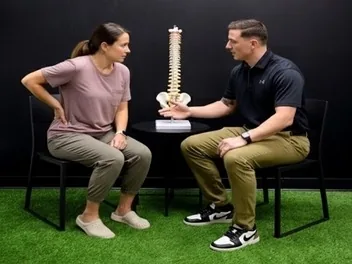
Can Whiplash Cause Migraines? Facts and Treatment Options
If you walked away from a fender bender thinking you were fine, only to develop a pounding headache and stiff neck a day or two later, you are not alone. Neck injuries from whiplash can set off more than simple soreness. For some people, they light the fuse on migraine attacks, tension headaches, or a constant ache that sits behind the eyes and crawls into the temples. Sorting out what is happening, and what to do next, makes a real difference in how you recover.
I have treated hundreds of post‑collision patients in Jacksonville, from high school athletes clipped at low speed to commuters who took a surprise rear end hit on I‑95. The patterns are familiar, but the solutions are never one size fits all. Here is the plain‑English version of how whiplash links to migraines, how to tell which kind of headache you have, and what treatment paths tend to work best, including how Florida PIP insurance fits into the picture.
How whiplash happens, and why pain shows up late
Whiplash is a rapid back‑and‑forth movement of the head that strains the joints, discs, ligaments, and muscles of the neck. Rear end collisions are the classic culprit, but the same mechanics show up in side‑impact crashes, sudden braking, or even a hard sports tackle. Think of the neck as a flexible column designed for motion, not for sudden acceleration. In a split second, structures that usually glide are forced past their normal range, and tiny injuries stack up.
Adrenaline often masks pain during and immediately after the crash. Swelling builds over hours, sometimes days. That lag explains why neck pain can start 24 to 72 hours later, and why headaches often begin after the first or second night when your head has spent hours supported awkwardly on a sore neck. Many patients ask why their back hurts days after a car accident when the car looks fine. Microtrauma in soft tissue and joint capsules does not care what the bumper looks like. It only cares about forces.
Can whiplash cause migraines?
Yes, whiplash can trigger migraine attacks in people with a history of migraines, and it can unmask migraine‑like headaches in those who have never had them. The neck and head pain systems share wiring. Sensory nerves from the upper cervical spine meet the trigeminal nerve in a hub called the trigeminocervical complex. When neck tissues are inflamed, they can sensitize this hub. The result is a headache that feels like a migraine, or that sets off a true migraine in someone prone to them.
Patients describe different flavors of headache after a crash:
-
Cervicogenic headache. Pain starts in the neck or base of the skull and travels to one side of the head or behind one eye. It often worsens with neck movement or long periods at a desk. Tender spots at the top of the neck, especially at C2‑3 or around the occipital nerves, are common on exam.
-
Migraine. Throbbing or pulsating pain, nausea, sensitivity to light or sound, sometimes an aura before the pain. Neck pain can be part of it. A jolt to the neck can provoke a bout that lasts 4 to 72 hours.
-
Tension‑type headache. A dull, tight band that creeps from the shoulders into both sides of the head. Stress, poor sleep, and tight suboccipital muscles feed it.
Whiplash does not cause every post‑crash headache, and not every post‑crash headache is a migraine. Concussion can cause headaches too, even without a direct hit to the head. Dehydration, missing meals while you sort out insurance calls, and new sleep positions on a tender neck all add fuel. The trick is teasing out the main drivers, then treating them in the right order.
Why headaches sometimes feel worse a few days later
People are often surprised when symptoms build after 48 hours instead of fading. Two reasons explain it. First, inflammatory chemicals rise after tissue injury and peak around day 2 or 3. Second, you start moving through daily life again. You sit at a desk, drive, or try a light workout. Irritated facet joints and tight neck flexors do not like those loads. The combination can convert a mild ache into a nagging headache by the end of the week.
I remember a patient, a 34‑year‑old teacher from the Southside, rear ended at a light. Day one was stiff. Day three she woke with a right‑sided headache that pulsed by afternoon. She pushed through work, which meant six hours of grading with her head forward. By the time she came in on day six, the neck was guarded, the right suboccipital muscles were ropey, and the C2‑3 joint on that side felt locked. We addressed the neck mechanics and the desk setup together. Within two weeks her headaches were rare and mild.
How to tell if it is whiplash, and when to worry
Whiplash is a clinical diagnosis built on the story and the exam. You do not need imaging to confirm most cases. Your provider will ask how the crash unfolded, when symptoms started, what makes them worse, and whether you have red flags. They will test your neck range of motion, palpate tender points, screen nerves and strength, and sometimes check eye tracking or balance if dizziness or visual strain are part of your picture.
Get urgent medical care, not a chiropractic visit first, if any of these apply:
- Severe or worsening headache after the crash, especially with vomiting, confusion, slurred speech, double vision, new weakness, numbness, or trouble walking.
- Loss of consciousness at the scene, or amnesia about events around the crash.
- Neck pain with midline bone tenderness, or a high‑risk mechanism such as a rollover or high‑speed impact.
- New bowel or bladder dysfunction, saddle anesthesia, or progressive arm or leg weakness.
- Fever, unexplained weight loss, history of cancer, or use of blood thinners along with head or neck pain.
If you do not have red flags, a chiropractor experienced in post‑collision care is a reasonable first stop, especially if the main symptoms are neck pain, stiffness, and headaches that worsen with posture or movement. In Jacksonville FL, same or next business day is ideal. Waiting a week often means more stiffness, sleep problems, and higher pain sensitivity. If you are wondering when you should see a chiropractor after a car accident in Jacksonville FL, the honest answer is within a few days at most, and within 24 to 72 hours if headaches and neck pain are building.
The neck‑headache connection in plain terms
Here is what I look for when someone asks whether their neck problems are causing their headaches:
-
Upper cervical joint irritation. The C2‑3 facet joint is a common pain generator after rear end collisions. It refers pain to the side of the head and behind the eye. Gentle joint mobilization, targeted adjustments when appropriate, and specific exercises for deep neck flexors calm it down.
-
Suboccipital muscle tone. These small muscles run from the top of the neck to the skull. They are posture‑sensitive and loaded during whiplash. Trigger points there can shoot pain into the temples. Soft tissue work, lacrosse ball self‑release, and chin nod exercises help.
-
Nerve entrapment. The greater occipital nerve swings up from the back of the neck to the scalp. Irritation feels like a tender line along the skull. It responds to manual therapy and nerve‑glide work, and in stubborn cases to a nerve block performed by a pain specialist.
-
Disc and ligament strain. A strained cervical disc or anterior longitudinal ligament can make simple movements painful and limit rotation. Headaches worsen with flexion or prolonged sitting. Early gentle motion is key. Bracing is rarely helpful and often makes stiffness worse.
-
Posture and visual load. Hours on a laptop with a sore neck will win, every time. Headaches that build with screen time, or that ease when the screen is raised and the chair adjusted, point to mechanical overload more than purely neurological migraine drivers.
What to expect at a chiropractor after a car accident
A careful first visit matters. You should expect a detailed history of the crash, a head‑to‑toe exam, and a clear explanation of findings. If your provider suspects concussion or a more serious neck injury, they should refer you to urgent care or a medical physician right away. If imaging is warranted based on decision rules and red flags, they will coordinate that. Most post‑collision cases do not need X‑rays on day one.
Treatment in the early phase focuses on calming irritated tissues while keeping the neck moving. You might feel relief from gentle joint mobilization, low amplitude adjustments when indicated, muscle work that targets the suboccipitals and upper traps, and guided range‑of‑motion drills. Good chiropractors will also talk through how to sleep without flaring symptoms, how to set up your workstation for a healing neck, and how to pace activities. Expect homework. It matters.
Practical care that tends to help
Managing whiplash headaches is not about a single magic technique. It is a bundle of small, targeted choices done consistently.
-
Controlled movement early. The neck heals better with motion than with bed rest. Gentle chin tucks, rotation to the point of mild stretch, and shoulder blade setting keep neuromuscular control alive. Ten to twenty short movement doses per day beat one big session.
-
Specific manual therapy. I favor precise mobilization to the stiffest segments, soft tissue release to the suboccipitals and scalenes, and careful first rib work when shoulder or arm symptoms join the party. Many patients ask whether a chiropractor can help after a rear end collision. In cases like these, hands‑on care speeds mechanical recovery and reduces headache frequency.
-
Exercise progression. As pain cools, add deep neck flexor endurance, mid‑back strength, and scapular control. These reduce the mechanical load that fuels headaches. If your pain shoots down the arm, nerve glides and thoracic mobility drills are often on the menu.
-
Headache‑specific strategies. If your headache is migraine, combine neck care with trigger management. Hydration, regular meals, consistent sleep, and short screen breaks are underrated tools. Magnesium glycinate or citrate, 200 to 400 mg nightly if your doctor agrees, helps some patients. For cervicogenic headaches, short stints of heat or an ice massage over tender suboccipital points can break a cycle.
-
Ergonomic fixes. Raise laptop screens to eye level, bring the seatback slightly more upright, move the keyboard close to your body, and support your forearms when typing. Desk workers in Jacksonville ask why their back hurts after working at a desk. The same forward head posture that tightens the neck also loads the mid‑back and low back. Small ergonomic upgrades prevent new pain while you heal.
When should you choose urgent care or the ER instead of a chiropractor?
Right after a crash, prioritize safety. In Jacksonville FL, if you have severe pain, any neurological red flags, or you simply feel that something is not right, go to urgent care or the ER first. This is not a test of toughness. Chiropractors do not prescribe medications and do not treat fractures or brain bleeds. Urgent care or the ER can perform imaging when indicated and start medications that reduce acute inflammation or nausea. Once serious problems are ruled out, a chiropractor can take over the day‑to‑day rehab for neck pain, headaches, and back pain that follows.
Understanding Florida PIP and the 14‑day rule
Florida’s Personal Injury Protection, or PIP, is no one’s favorite bedtime reading, but knowing the basics prevents expensive missteps.
-
PIP typically provides up to 10,000 dollars in benefits for medical care and a portion of lost wages after a crash, regardless of who was at fault. It usually pays 80 percent of reasonable medical expenses and 60 percent of lost wages, subject to your policy details.
-
To unlock the full 10,000 dollars, a licensed physician, osteopathic physician, dentist, physician assistant, or advanced practice registered nurse must determine that you have an Emergency Medical Condition, called an EMC in the statute. Chiropractors cannot make the EMC determination.
-
Initial care must occur within 14 days of the accident. A chiropractic physician can provide that initial visit. If you miss the 14‑day PIP deadline in Florida, you generally forfeit PIP medical benefits for that event.
-
If no EMC is determined, PIP medical benefits may be limited to 2,500 dollars. Many patients do not realize this until bills arrive. If your symptoms are more than minor soreness, ask your primary care physician or urgent care provider to evaluate you for an EMC.
-
You do not need a referral to see a chiropractor after a car accident in Florida for PIP billing. That said, coordination between your MD and chiropractor helps, especially if headaches, dizziness, or concussion are in the picture.
Patients commonly ask whether they can use PIP insurance for a chiropractor in Jacksonville FL. In most cases, yes. PIP covers chiropractic treatment after an accident when it is reasonable, necessary, and related to the crash. It is wise to confirm how much chiropractic care PIP covers under your plan and whether your chiropractor handles PIP billing directly. If you have questions in the weeds, bring them to your visit. Florida auto accident chiropractor insurance questions come up every day, and a good front desk team will translate policy language into plain English.
Do you need a chiropractor after a minor car accident?
If symptoms are limited to mild soreness that fades within a day or two, you may recover without formal care. Gentle home mobility, short walks, and ergonomic tweaks often suffice. But a minor collision can still produce significant soft tissue injuries. If you feel a sharp or spreading headache, if your neck pain limits turning, or if back pain shows up a few days later, a prompt assessment helps prevent a small problem from becoming a chronic one. What happens if you wait too long to see a chiropractor after an accident is simple. Stiff joints get stiffer. Protective muscle tone becomes your new normal. Sleep quality drops. Headaches become habitual. Recovery takes longer.
How long does whiplash last, and what if it goes untreated?
Recovery time varies. Many cases resolve in two to six weeks with the right blend of movement, manual therapy, and habit changes. Some people need eight to twelve weeks. A minority develop persistent symptoms that last months. Risks for a longer course include high initial pain, strong fear of movement, prior neck pain, high job stress, poor sleep, and lack of early motion.
Untreated whiplash does not doom you, but it does raise the odds of ongoing neck pain, recurrent headaches, and reduced range of motion. Chronic suboccipital tightness can feed tension headaches. Poor joint mechanics at C2‑3 can keep cervicogenic headaches alive. Over time you may notice that desk days or long drives create headaches more easily than before. The good news is that even delayed care can help. I have seen patients who waited three months still make strong auto injury chiropractor Jacksonville gains with a focused plan.
What about shoulder pain, low back pain, and sciatica after a crash?
Whiplash is not only about the neck. Seat belts do their job, but the torso still twists. That can strain the mid‑back and low back. It can also irritate the sacroiliac joints or piriformis muscle, which sometimes mimics sciatica. True sciatica, the shooting pain down the leg from nerve root irritation, can follow a crash if a lumbar disc is strained or a facet joint swells and crowds a nerve. A chiropractor can help with lower back pain by restoring motion where joints are locked, easing muscle spasm, and coaching you through safe progressions. If pain travels below the knee, if you have numbness or weakness, or if symptoms do not improve within a couple of weeks, imaging or a referral to a spine specialist may be appropriate.
For drivers who ask why their lower back hurts after driving, the answer is often vibration and a slouched seat angle that loads the discs. A simple fix is to tilt the seat to bring the hips and knees level, place a small lumbar roll at the belt line, and bring the steering wheel closer so you are not reaching. These small changes reduce both back pain and the neck strain that feeds headaches.
Chiropractic treatment options that target post‑whiplash headaches
Not all adjustments are equal, and not every neck should be adjusted on day one. A thoughtful plan is the difference between relief and a flare.
-
Joint mobilization and adjustments. For cervicogenic headaches with clear segmental restriction, low amplitude, high velocity adjustments at the most restricted levels can drop pain and improve range quickly. Some patients respond better to progressive mobilization without thrust. The decision rests on your exam and comfort.
-
Soft tissue techniques. Suboccipital release, instrument assisted work along the cervical paraspinals, and gentle traction are staples. For headache patients, I often add dry needling to the upper traps or suboccipitals if allowed and appropriate, which can reduce headache frequency for several days to weeks.
-
Therapeutic exercise. Deep neck flexor endurance exercises, scapular retraction with external rotation, thoracic extension mobilizations over a foam roll, and pectoral stretching build a base that keeps headaches from recurring. Dosage is everything. Quality beats quantity.
-
Vestibular and visual rehab. If your crash added dizziness, blurred vision, or difficulty focusing, targeted gaze stabilization and balance drills help. These symptoms often ride with both concussion and whiplash. Co‑managing with a provider experienced in concussion care protects you from doing too much too soon.
-
Co‑management with medical care. If headaches have a strong migraine signature, a primary care physician or neurologist can prescribe triptans or newer acute treatments. For chronic cases, preventive medications may be considered. Occipital nerve blocks offer relief when peripheral nerve irritation is the main driver. A combination of conservative care and medical management often beats either approach alone.
Best next steps if your head is pounding after a crash
Patients appreciate a straightforward path, especially when insurance and logistics add stress. Here is a concise game plan that works well in Jacksonville.
-
Within 24 to 72 hours, schedule an evaluation. If you have red flags, choose urgent care or the ER. If not, schedule a chiropractor who treats auto injuries regularly. Early care helps you qualify under Florida’s 14‑day rule for PIP and gets you moving in the right direction.
-
Track your symptoms. Note when headaches start, where they begin, what makes them worse, and what helps. Bring that log to your visit. Patterns guide diagnosis, especially when teasing apart migraine, tension, and cervicogenic headaches.
-
Set up your desk and car for recovery. Raise screens to eye level, use a small lumbar roll, and lower armrests slightly so shoulders relax. Short, frequent breaks beat long sessions. If driving triggers headaches, try a shorter commute for a week and add a quick neck movement routine before and after the drive.
-
Ask about imaging only if needed. X‑rays and MRIs are tools, not trophies. They are helpful when neurological deficits, severe or unremitting pain, high‑risk mechanisms, or failure to improve are in play. Normal imaging does not mean your pain is not real. It means we should focus on function, not pictures.
-
Commit to two to four weeks of focused care. Mechanical headaches usually turn the corner in that window when treatment and home work align. If they do not, escalate the plan with your provider. Persistent symptoms deserve fresh eyes.
Common Jacksonville questions, answered quickly
When should I see a chiropractor after a car accident in Jacksonville FL? Within a few days. Same or next day is best if headaches and neck pain are increasing.
Do I need a chiropractor after a minor car accident? If you have more than fleeting soreness, limited neck motion, headaches, or back pain that appears days later, yes. Early care shortens recovery.
Can a chiropractor help after a rear end collision? Often, yes, for neck pain, cervicogenic headaches, some migraine triggers, mid‑back stiffness, and mechanical low back pain. Red flag symptoms need medical evaluation first.
What injuries can a chiropractor treat after a car accident? Soft tissue injuries like sprains and strains, joint restrictions in the cervical, thoracic, and lumbar spine, some nerve irritation from tight muscles or joint swelling, and posture‑related headaches. Fractures, severe disc herniations with progressive weakness, and concussions with severe neurologic signs require medical care and co‑management.
How long after a car accident can neck pain start? Hours to several days. Delayed whiplash symptoms are common. Swelling and protective muscle guarding take time to build.
Why does my back hurt days after a car accident? Soft tissues swell and tighten, and your usual activity loads a sensitized system. Seat posture, desk work, and sleep positions magnify it.
Can chiropractic care help with soft tissue injuries after a crash? Yes. Gentle mobilization, graded loading, and specific exercises improve tissue healing and reduce protective spasm.
What to expect at a chiropractor after a car accident? A detailed history and exam, a clear plan, gentle hands‑on care, and a home program. Referrals for imaging or medical care when appropriate.
Chiropractor or urgent care after a car accident in Jacksonville FL? Choose urgent care if you have red flags or severe symptoms. If symptoms are mechanical and stable, a chiropractor is a good first call.
Does PIP cover chiropractic care in Florida? Generally, yes, when care is reasonable, necessary, related to the crash, and you start within 14 days.
How does Florida PIP work after a car accident? Up to 10,000 dollars in benefits, regardless of fault, with an EMC required for the full amount and 14‑day deadline for initial care.
What is the 14 day rule for car accidents in Florida? You must receive initial medical care within 14 days to qualify for PIP benefits.
Can I use PIP insurance for a chiropractor in Jacksonville FL? Yes. Initial care can be with a chiropractor. For the full benefit, an EMC must be determined by an MD, DO, dentist, PA, or APRN.
What happens if I miss the 14 day PIP deadline in Florida? You likely lose PIP medical benefits for that accident.
Does car insurance pay for chiropractic treatment after an accident? PIP often does, up to policy limits. Bodily injury or MedPay may also apply depending on your coverage and fault. Ask your insurer.
How much chiropractic care does PIP cover in Florida? Up to policy limits, often 10,000 dollars with an EMC, 2,500 dollars without, paying a percentage of billed charges. Details vary.
Do I need a referral to see a chiropractor after a car accident in Florida? No referral is required for PIP. Coordination with your MD is still wise for complex cases.
How do I know if I have whiplash after a car accident? Neck pain and stiffness, reduced range of motion, headaches that start at the base of the skull or behind the eye, and soreness in the shoulders or between the shoulder blades are typical. Symptoms often begin within 48 hours.
Can a chiropractor help with whiplash? Yes, especially for mechanical neck pain and cervicogenic headaches. Co‑manage with medical providers if migraine or concussion features are strong.
How long does whiplash last after a car accident? Many recover in two to six weeks. Some need longer. Early guided motion helps.
Why does whiplash get worse after a few days? Inflammation peaks around day 2 to 3, and daily activities reload sensitive tissues.
What are delayed whiplash symptoms? Headache, neck stiffness, shoulder pain, mid‑back ache, dizziness, jaw tightness, and trouble concentrating can all show up late.
Can whiplash cause shoulder pain? Yes. The upper trapezius and levator scapulae tighten reactively. First rib dysfunction can also refer pain into the shoulder.
Best treatment options for whiplash in Jacksonville FL? Early evaluation, targeted manual therapy, graded exercise, ergonomic coaching, and, when needed, co‑management for migraines or concussion. Choose a provider comfortable navigating PIP.
A realistic outlook, and how to stack the odds in your favor
Most people with post‑whiplash headaches, including migraine‑like pain, improve manual therapy chiropractor Jacksonville, FL with a steady plan that addresses both the neck and the headache system. The more you control the controllables, the faster you move. Keep the neck moving within comfort, build deep stabilizers, fix the workstation, hydrate, and sleep with your head supported in line with your body. If your headache pattern screams migraine, pair neck care with smart migraine hygiene and medical input.
If you live whiplash chiropractor Jacksonville, FL in Jacksonville and need help sorting whether your headache is coming from your neck, schedule an evaluation soon. Bring your symptom notes and your insurance questions. Whether your top concerns are neck pain and headaches, sciatica vs lower back pain, or how to handle PIP paperwork, a good office will meet you where you are, explain your options, and help you make progress you can feel.
Full Swing Healthcare - Injury & Sports Care Jacksonville 1. Address: 13770 Beach Blvd #4, Jacksonville, FL 32224 2. Phone: (904) 539-3352 3. Hours: M - F: Thursday: 9:00 AM – 7:00 PM Friday: 9:00 AM – 1:00 PM Saturday: Closed Sunday: Closed Monday: Closed Tuesday: 9:00 AM – 1:00 PM Wednesday: 9:00 AM – 7:00 PM 4. Full Swing Health offers the following services: Chiropractic Care Acupuncture Shockwave Therapy Myofascial Cupping Myofascial Scraping (IASTM/Graston Technique) Massage Therapy Dry Needling Athletic Recovery Family Wellness Care Auto Injury Treatment Work Injury Treatment Prenatal Chiropractic Care Postpartum Recovery Care The clinic also treats conditions such as back pain, sciatica, neck pain, whiplash, herniated discs, headaches, plantar fasciitis, and sports injuries.