
Can Chiropractic Care Help With Pelvic Pain During Pregnancy?
Pelvic pain in pregnancy is common, but it is not trivial. I have seen marathoners sidelined by a single step that sent pain zinging across the pubic bone, and first‑time moms who couldn’t roll in bed without bracing and holding their breath. The pelvis does heroic work in pregnancy, and when its mechanics fall out of sync, even small tasks flare. Chiropractic care can help, not by “cracking things back in place,” but by improving how the pelvic joints move, balancing soft tissues that guide that motion, and coaching you on habits that keep pain from stacking up as the weeks progress.
It starts with a clear map of the problem. Pelvic pain in pregnancy tends to cluster in a few spots: the sacroiliac joints at the back dimples, the pubic symphysis at the front, and sometimes the coccyx. Round ligaments can feel like hot wires near the groin, and the hips often ache from altered gait and sleeping positions. Sciatic‑type pain can complicate the picture, but true nerve compression is less common than irritated joints referring pain down the leg. Understanding which pattern you have determines what helps.

Why pelvic pain shows up in the first place
Pregnancy changes posture, pressure, and pliability. Relaxin and other hormones reduce ligament stiffness, which is great for delivering a baby and not so great for controlling shear forces when you walk, climb stairs, or stand on one leg to pull on jeans. As the belly grows, your center of mass shifts forward, the lumbar spine often extends, and the ribcage may flare. The glutes, deep abdominals, and pelvic floor try to compensate, but when they do not coordinate, the sacroiliac joints can become irritable and the front of the pelvis can feel vulnerable and sore.
I remember one patient in her second trimester, a nurse who logged 10,000 steps each shift. Her pain lit up when she made quick pivots or transferred patients. Her sacrum was tilting to one side, her left hip flexor stayed “on,” and her right glute was along for the ride but not driving. Gentle adjustments helped, but the lasting change came when she learned to exhale and “zip up” through the lower ribcage before turns, pushed through her heels for transfers, and stopped crossing one leg behind the other when she walked fast. Within three visits, her worst pain shrank from an eight to a three, and she could sleep through the night without bracing.
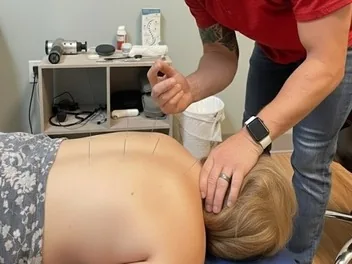
What a prenatal chiropractor evaluates
A thorough prenatal exam is not a two‑minute back crack. A good clinician watches how you stand, breathe, and shift weight. They check the sacroiliac joints for glide, the pubic symphysis for tenderness, and the hips for rotation and muscle control. If the round ligament is sensitive, they palpate gently near its bony attachments. They may observe your gait and how you transition from sitting to standing. If you mention groin pain with rolling in bed, that flags pubic symphysis involvement. If you report burning pain down the leg with coughs or sneezes, they will check for nerve tension as well as joint irritation.
Imaging is rarely needed. X‑rays are generally avoided in pregnancy unless there is a red flag, like trauma. Most pelvic pain patterns are clinical diagnoses based on history and exam. If anything seems off, a chiropractor with prenatal experience will loop in your OB or midwife.
Techniques that tend to help
Chiropractic for pregnancy is not a single technique, more a toolbox sized to your symptoms and trimester. The Webster approach is widely used: it involves low‑force adjustments to the sacrum and targeted soft tissue work around the pelvis to balance tension. For many patients, that balance alone decreases pain during walking and rolling. Side‑lying or supported supine positions with special pregnancy pillows make it comfortable and safe.
High‑velocity adjustments can be appropriate for some patients, but they are not the only option. For hypermobile chiropractor near me Jacksonville, FL individuals, slower mobilization, drop‑table work with minimal thrust, or instrument‑assisted adjustments can create change without provoking inflammation. Soft tissue release around the glutes, piriformis, iliacus, and adductors matters as much as joint work. When round ligament tenderness contributes, very gentle contact and breath‑coupled release calm it down, sometimes in a single session.
Equally important is neuromuscular retraining. Breathing drills that narrow the lower ribcage on exhale and expand it sideways on inhale change how the pelvis loads with every step. Hip abductor and external rotator exercises keep the knees from collapsing inward during stairs, which spares the pubic symphysis. Simple gait cues like shorter steps and softer landings reduce jolts to the sacroiliac joints.
How quickly relief shows up
Pelvic pain responds on different timelines. If the pain is mostly mechanical — for example, an irritated sacroiliac joint from repetitive asymmetrical loading — people often notice relief in one to three visits. Pubic symphysis dysfunction can take longer, especially if the patient stands on one leg frequently or sleeps with the top knee dropped forward. When hip flexors dominate and the core system is out of sync, it may take a few weeks of consistent drills and position changes to retrain movement.
I advise patients to think in two arcs: rapid irritation control within the first week, and load‑tolerance rebuilding across the next two to six weeks. Adjustments and soft tissue work quiet things down, then habits and exercises keep them that way.
Safety, contraindications, and how to decide whom to see
Prenatal chiropractic care is generally considered safe when delivered by a clinician trained in pregnancy care. The hallmarks of safe care: no sustained pressure on the abdomen, no aggressive end‑range twisting, and accommodations based on trimester. Pregnancy pillows or drop tables allow you to lie comfortably without compressing the belly.
Certain conditions call for close coordination with your OB or midwife. Any vaginal bleeding of unknown cause, placenta previa after mid‑pregnancy, preterm labor risk, severe preeclampsia, or a history of cervical insufficiency warrants a conversation before starting care. If you have significant hypermobility disorders, the plan should dial back force and focus more on stability and breath mechanics. Pain with fever, numbness in a saddle pattern, loss of bowel or bladder control, or calf swelling and warmth are red flags that need urgent medical assessment.
When choosing a clinician, look for real prenatal training, not just a website blurb. Ask whether they use pregnancy‑specific supports, how they modify care across trimesters, and how often they coordinate with obstetric providers. If you are in a city like Jacksonville, you can search for a prenatal chiropractor and ask directly about pregnancy back pain, pelvic girdle pain, and whether they treat pubic symphysis issues. People often ask if chiropractic care is safe during pregnancy, or whether a chiropractor can help pregnancy back pain. The short answer is yes, with the right approach and communication.
What a first prenatal chiropractic visit usually includes
Many expecting parents want to know what happens during your first chiropractic visit, especially if their only reference point is a quick spinal adjustment from years ago. A first prenatal visit is slower and more collaborative.
- A detailed history that covers current pain, previous injuries, work and sleep habits, and obstetric course so far.
- Posture, breathing, and movement screening, including how you transition, walk, and tolerate single‑leg weight bearing.
- Gentle palpation of the sacroiliac joints, pubic symphysis, hips, and relevant soft tissues, with constant feedback to gauge sensitivity.
- Low‑force joint adjustments or mobilizations and soft tissue work tailored to your trimester and comfort.
- A short home plan: one or two exercises, a sleep position tweak, and activity modifications that start paying dividends the same day.
That last piece matters. If you leave without a home strategy, the odds of sustained progress drop.
The home strategies that make the biggest difference
Pain relief usually hinges on small, repeated wins. Start with sleep. Use a pillow between the knees and ankles, not just between the knees, to keep the pelvis neutral. If you have pubic symphysis pain, slide a folded blanket under the top thigh so the knee does not fall forward. Roll with your knees together and move in one unit, not as a twist through the pelvis.
During the day, shorten your stride. Big steps amplify shear at the sacroiliac joints and tug on the pubic symphysis. When you stand from a chair, bring both feet under you, exhale gently to engage the deep abdominals, and push evenly through both heels. Avoid prolonged standing with one hip hiked. When you must carry a toddler, alternate sides and keep the child closer to your center. If you work at a desk, change positions every 30 to 45 minutes. A hip hinge and micro‑squat instead of repeated spinal flexion helps with laundry, picking up toys, and loading the dishwasher.

Support belts can help. A pelvic support belt worn low across the sacrum and under the belly can reduce pain during longer walks or at work. It should feel like a hug, not a tourniquet. Most people use it for activity, not all day. If a belt increases groin pressure or numbness, adjust it or skip it.
Movement is medicine when chosen well. Swimming or walking in a pool unloads the pelvis and builds confidence. Gentle strength work like bridges, clamshells with a light band, heel slides paired with quiet posture chiropractor Jacksonville, FL exhales, and side‑lying hip abduction can create stability without strain. Yoga can help if you avoid deep single‑leg poses that lever against the pubic symphysis.
Pubic symphysis pain, named and managed
When patients point to pain right over the pubic bone, especially with rolling, getting dressed, or climbing stairs, we are often dealing with pubic symphysis dysfunction. The joint in front acts like a little shock absorber that widens a few millimeters during pregnancy. Repetitive asymmetry, like lunging or standing up with weight shifted to one side, can inflame it.
Care focuses on symmetry and small ranges. Adjustments target the sacroiliac joints and sometimes the pubic joint itself with very gentle techniques. Soft tissue work quiets the adductors and hip flexors, and we add low‑range exercises that keep the knees tracking straight. The no‑twist log roll at night and smaller steps on stairs make as much difference as the hands‑on work. If lifting a foot to put on socks triggers pain, sit down and keep your knees acupuncture chiropractor Jacksonville, FL together for dressing. It sounds trivial, but over a week those small choices reduce hundreds of irritations.
Round ligament pain and what helps
Patients often describe round ligament pain as a sharp, zappy feeling in the lower abdomen or groin, worse with sudden moves or rolling. It tends to flare in the second trimester. Treatment avoids aggressive pressure and instead uses gentle contact near the ligament’s bony attachment points, coupled with slow breathing to reduce protective tone. Teaching patients to exhale and engage low abdominals before turning or standing often cuts those zaps in half. Adjusting the sacrum to balance pelvic orientation can reduce the background tension that keeps the ligament irritated.
Sciatica, or something that feels like it
Shooting pain down the back of the leg gets labeled sciatica quickly, but in pregnancy, the picture is mixed. Sometimes the sciatic nerve is indeed irritated. More often, a cranky sacroiliac joint or hip muscle refers pain in a similar pattern. The difference matters because true nerve compression might produce numbness, tingling, or weakness in a particular distribution.
A careful exam looks for altered reflexes, strength asymmetries, and nerve tension signs. When it is joint‑dominant pain, sacral adjustments, piriformis and gluteal soft tissue work, and hip external rotation strength often bring relief. When the nerve is truly sensitized, we modify positions, use gentler mobilizations, and teach nerve‑friendly movement. Either way, short steps, balanced weight bearing, and breathing‑based core work reduce strain. If you are not sure whether your pain is sciatica vs lower back pain, a prenatal‑trained chiropractor can help clarify and coordinate care with your OB.
How often to come in, and for how long
Frequency depends on severity and how quickly your home strategies take hold. Many pregnant patients start weekly for two to three weeks to break the pain cycle, then taper to every other week. Near the end of the third trimester, some people like brief check‑ins as activity ramps up and sleeping becomes a wrestling match with pillows.
I aim for the lightest effective touch. If you need repeated high‑force adjustments to feel okay for only a day, the plan needs rethinking. Often, the fix is not “more adjusting,” it is a better daily strategy and a narrower focus on one or two exercises you actually do.
What the research says, and what experience adds
The research on chiropractic and manual therapy for pregnancy‑related low back and pelvic girdle pain points in a positive direction, with several trials and reviews showing moderate improvements in pain and function compared with usual care. Studies vary in technique and intensity, which is why you will hear measured language like “evidence suggests” rather than “guarantees.” In practice, I find the blend of gentle joint work, soft tissue balancing, and simple behavior changes delivers consistent relief for a large share of patients. The outliers are often those with complex pain histories, hypermobility syndromes, or concurrent medical factors that need co‑management.
The most important predictor of success is not a specific technique, it is fit between the plan and your life. A realistic home strategy you can execute while tired, working, or caring for other kids beats an elaborate routine that requires an empty living room and 45 minutes of quiet.
When to book an appointment, and when to call your obstetric provider first
If pelvic pain keeps you from sleeping, makes walking uneven or painful, or spikes above a tolerable level during daily tasks, it is worth seeing a chiropractor with prenatal experience. If you are asking, can chiropractic care help with pelvic pain during pregnancy, the answer is very often yes. Add in back pain that lingers beyond a few days despite rest, or pain that ramps quickly with basic activities, and it is a good time to schedule.
Call your obstetric provider immediately if pelvic pain comes with fever, vaginal bleeding, loss of fluid, rhythmic cramping that could signal contractions, new numbness in the groin, or changes in bowel or bladder control. Those are medical issues first. Chiropractors who treat pregnant patients routinely defer or modify care in such cases and collaborate with your medical team.
A simple decision guide before your first visit
- Pain limits sleep, walking, or stairs despite a few days of pacing and position changes.
- You can point to the sacroiliac joints, pubic bone, or groin as the main trouble spots, not the midline abdomen.
- You are willing to make two or three small daily adjustments, like shorter steps and pillow placement, to protect the gains from treatment.
- Your OB or midwife is aware of your symptoms, and there are no red flags like bleeding or signs of preterm labor.
- You have access to a clinician who uses pregnancy supports, low‑force options, and teaches home strategies, not just in‑office adjustments.
If those statements resonate, you are a strong candidate for prenatal chiropractic care.
A trimester‑by‑trimester lens
In the first trimester, many people hesitate to seek care due to fatigue and nausea. Gentle work is absolutely doable. The focus is often on calming early sacroiliac irritation and setting movement habits that will pay off later. In the second trimester, as the belly grows and energy returns, we adjust for activity changes, refine breathing and ribcage mechanics, and address round ligament tension. The third trimester is about managing load, optimizing sleep positions, and keeping gait efficient. Belts and brief touch‑ups can be especially helpful here. If you are wondering when should pregnant women see a chiropractor, the sweet spot is whenever pain begins to interfere with daily life, not after weeks of wincing through the day.
If you are in Jacksonville
Patients often ask locally focused questions, like whether a prenatal chiropractor in Jacksonville FL is easy to find and how to vet one. Start by confirming the office works regularly with expecting parents and ask specifically about pelvic girdle and pubic symphysis pain. Clarify how they handle the first visit, whether they coordinate with your OB or midwife, and what their home programs look like. You want someone who answers plainly, adapts to each trimester, and measures progress in function you care about, like painless rolling in bed or walking a half mile without limping.
Final thoughts from the treatment room
Pelvic pain during pregnancy can make you feel fragile. The work of good care is to restore confidence along with comfort. That means short steps, steadier sleep, and small strength gains layered over time. The hands‑on part is a catalyst, not the whole recipe. When patients leave the office saying, “I know how to move without bracing,” they usually need less care, not more.
Chiropractic can play a central role when pelvic pain shows up, especially in concert with obstetric care, pelvic floor physical therapy when needed, and your own consistent, bite‑size habits. If you are weighing the question can chiropractic care help with pelvic pain during pregnancy, know that the right blend of gentle adjustments, soft tissue work, and daily strategy often turns the volume down quickly, then keeps it down as your body changes. And that makes room for better sleep, easier walks, and a little more joy in the waiting.
Full Swing Healthcare - Injury & Sports Care Jacksonville 1. Address: 13770 Beach Blvd #4, Jacksonville, FL 32224 2. Phone: (904) 539-3352 3. Hours: M - F: Thursday: 9:00 AM – 7:00 PM Friday: 9:00 AM – 1:00 PM Saturday: Closed Sunday: Closed Monday: Closed Tuesday: 9:00 AM – 1:00 PM Wednesday: 9:00 AM – 7:00 PM 4. Full Swing Health offers the following services: Chiropractic Care Acupuncture Shockwave Therapy Myofascial Cupping Myofascial Scraping (IASTM/Graston Technique) Massage Therapy Dry Needling Athletic Recovery Family Wellness Care Auto Injury Treatment Work Injury Treatment Prenatal Chiropractic Care Postpartum Recovery Care The clinic also treats conditions such as back pain, sciatica, neck pain, whiplash, herniated discs, headaches, plantar fasciitis, and sports injuries.