
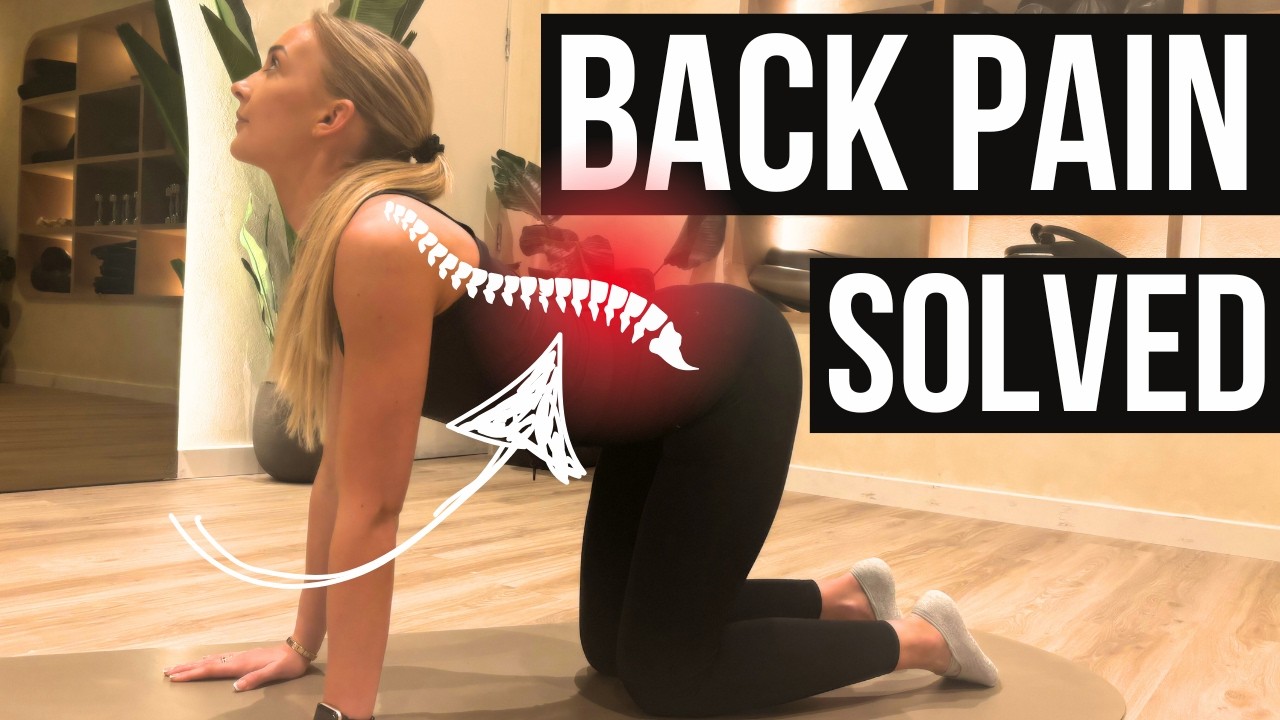
Range of Motion Improvement in Back Pain: Evidence-Based Physical Therapy Methods
Back pain is a broad label that covers a lot of very different problems. A stiff lumbar region after a weekend of yard work is not the same beast as sciatica from a disc herniation, or the slow burn of chronic back pain that saps energy at work and makes sleep a negotiation. Yet across these scenarios, restoring range of motion is a reliable hinge point. When a spine can bend, extend, and rotate without a fight, pain often eases, function improves, and people get their lives back. Good physical therapy for back pain treats pain and movement together. It nudges irritated tissues to calm down, teaches muscles to support the spine intelligently, and gives the nervous system a reason to trust movement again.
I have treated office workers who could not put on socks, firefighters who could not hoist ladders, and retirees who missed walking the dog. Very different lives, but when we tracked progress and listened to what their bodies tolerated, range of motion improved in a steady pattern: small early gains, a frustrating plateau, then a more confident stride once strength and control caught up. What follows is the practical, evidence-based approach that underpins those changes in the clinic and in home programs.
Why range of motion matters more than it seems
Think of the spine as a team sport. Joints share the load, discs distribute pressure, and muscles coordinate to keep you moving. When pain shows up, the body often guards with stiffness. That protective strategy is useful in the short term, but it becomes a problem if it persists. Reduced motion shifts forces to fewer segments, irritates neighboring joints, and encourages muscle imbalance. Over time, your brain rewrites its map of safe movement. The result is a back that feels old before its time.
Improving range of motion is not about chasing circus flexibility. It is about reclaiming the motion you need for your life, with control. Better hip hinge so your lumbar spine does not carry every box. Enough lumbar extension to stand tall after hours at a desk. Enough rotation to reach the seatbelt without a wince. When we restore motion in the right places and add stability where necessary, pain usually has fewer reasons to stick around.
Sorting the problem: the assessment that guides the plan
An effective plan starts with a careful look at what hurts, where, and why. A licensed physical therapist does more than check flexibility. We screen for red flags, rule out serious causes, and focus on patterns that point to the right treatment. The details are specific: is the pain centralized to the spine, or does it radiate down the leg like sciatica? Does sitting feel worse than standing, which can hint at disc involvement? Does bending forward aggravate symptoms more than leaning back?
Objective measures set the baseline. We measure lumbar flexion and extension in degrees or by reach to shin or floor. We check hip internal and external rotation since hip stiffness often masquerades as low back pain. We assess thoracic mobility because the mid-back’s ability to rotate protects the lower back. Strength tests target the glutes and deep abdominals, which matter for lumbar stabilization. Neurologic screens evaluate reflexes, sensation, and motor control when a disc herniation or nerve root irritation is suspected.
Movement analysis rounds it out. How do you squat to pick up a shoe? Can you brace and breathe during a reach task? Do you hike one hip when you step up? These patterns reveal how posture correction and a stretching and strengthening program will fit together. They also help decide whether to emphasize manual therapy for back pain early on, or jump into therapeutic physical therapy for injuries exercise as the main driver.
How range of motion improves: not magic, just physiology
Two broad mechanisms are at work. On the tissue side, gentle repeated movement moves fluids, decreases inflammatory mediators, and lubricates joints. Soft tissue techniques and myofascial release can reduce tone in overactive muscles and allow joints to glide. On the nervous system side, graded exposure retrains your brain to interpret movement as safe. When a maneuver that used to sting becomes tolerable, the alarm quiets. That is why small, frequent, pain-respecting doses of motion outperform heroic weekend sessions.
This is also why passive flexibility work alone rarely solves back pain. Flexibility without control is a leaky bucket. The goal is pain relief and mobility restoration paired with strength, timing, and endurance. Range grows when the surrounding system supports it.
Manual therapy: helpful, not a cure-all
Manual therapy has a place in early back pain rehabilitation, especially when a person cannot move enough to even start exercise. Mobilization of the lumbar or thoracic segments can improve short-term range. Myofascial release of the hip flexors, quadratus lumborum, and paraspinals can make bending feel less like pushing through concrete. Instrument-assisted techniques can help with stubborn fascia. The effects tend to be short-lived unless we immediately load the new motion with activity that the body recognizes as useful.
I have had success combining gentle posterior-to-anterior mobilizations of stiff lumbar segments with immediate cat-camel sets and hip hinge drills. Fifteen minutes later the person stands taller and the extension arc improves. Without follow-up exercises, the improvement fades by the next day. With it, we gain a notch of range that sticks.
Targeted exercise progressions for common patterns
Back pain shows patterns. Your exercises should match them. Here is how we build range logically, using therapeutic exercise that fits the presentation and the stage of healing.
Acute flexion-intolerant pain, often linked to a disc herniation or an irritable disc, dislikes bending forward. Early on, we favor neutral to extension-biased positions to allow the disc to calm down. Prone on elbows or brief prone press-ups, kept short and symptom-guided, can centralize leg pain in cases of physical therapy for sciatica. We avoid end-range flexion like deep toe touches in this phase. As symptoms settle, we reintroduce flexion in supported ways, such as supine single-knee-to-chest, then seated supported flexion.
Extension-intolerant pain, common in people with facet joint irritation or standing-related back pain, dislikes leaning back. For these individuals, the first wins come from flexion-based unloading, posterior pelvic tilts, and lumbar flexion in quadruped. We open the thoracic spine with gentle rotation to reduce the extension demand on the lumbar region, then gradually reintroduce controlled extension through hip-dominant movements.
Stiff thoracic spine, flexible low back describes many desk workers. The lumbar region compensates for a rigid mid-back. Improving thoracic rotation and extension offloads the lumbar segments. Side-lying open books, foam roller thoracic extensions, and seated rotation with a block between the knees can change the load sharing. People often report immediate improvement in reaching and sitting tolerance once the thoracic spine joins the team.
Hip mobility deficits, often missed, fuel lower back pain therapy. Tight hip flexors tug the pelvis into anterior tilt and compress the lumbar facets. Limited hip internal rotation forces the low back to rotate more during walking and golf. We prioritize hip flexor unloading, kneeling hip flexor stretch with glute activation, and hip rotation drills. The spine benefits downstream.
Core and glute deconditioning is a predictable companion to chronic back pain treatment. But “core” is not endless crunches. We train lumbar stabilization with deep abdominal activation, coordinated breathing, and spine-neutral loading. Anti-rotation and anti-extension patterns teach control in the ranges you just earned back.
The spine, the hips, and the ribs: a three-way partnership
Back pain rarely lives in isolation. The spine, hips, and thorax create a kinetic axis that carries every step and lift. If your hips lack rotation, your lumbar spine pays the price when you pivot. If your ribs are stiff, your low back will try to create the rotation your upper body will not. When you address range of motion improvement across that axis, the results last.
A golfer in her 50s came to the clinic with right-sided low back pain that flared on the downswing. Her lumbar rotation measured fine, perhaps even hypermobile, but thoracic rotation and right hip internal rotation were both limited. We spent two weeks on thoracic mobility and hip IR drills, then added anti-rotation strength. Her swing smoothed out, advanced physiotherapy techniques and the back stopped barking. We did very little direct lumbar stretching, yet her lumbar discomfort resolved because we changed the forces reaching that region.
Core strengthening exercises that actually help range
I lean on a handful of progressions that build stability without flaring symptoms. They are simple to learn and easy to scale. The first priority is teaching the person to find a neutral or tolerated spinal position while breathing. If you cannot breathe, you are bracing too hard.
- Dead bug series: Start with heel taps while keeping ribs down and pelvis quiet. Progress to full arm and leg extensions, then to light bands for resistance.
- Side plank variants: Modified side plank from knees, then from feet, then add top-leg abduction. This targets lateral stability and oblique control that protect the lumbar region during rotation.
- Bird dog: Focus on long reach rather than height. Keep the pelvis level. Add a resistance band for diagonal tension to increase the anti-rotation demand.
- Pallof press: Standing or half-kneeling, press a cable or band straight out while resisting rotation. This builds the ability to hold range while forces try to twist you out of it.
- Hip hinge drills: Dowels or broomsticks provide feedback. We train hinging through the hips while maintaining lumbar alignment, a key skill for lifting without overloading the spine.
These build lumbar stabilization while letting the nervous system experience safe movement. The best part is how they support flexibility gains. Once you can hold your spine steady, hamstring stretches become productive instead of provocative, and hip mobility work does not spill into the lumbar segments.
Stretching and strengthening: how to sequence for respect and results
For people with irritable backs, the order matters. Warm tissues and the nervous system before you ask for range. Early in a session, I favor rhythmic mobility: cat-camel at small arcs, pelvic clocks, thoracic rotations, and gentle hip openers. Then we place a few targeted stretches at end-range, rarely holding more than 20 to 30 seconds, with two to four repeats. Static long-hold stretches have a role, but in back pain physical therapy I prefer shorter holds paired with active contract-relax techniques. After we capture a bit of new motion, we load it with strength work.
A typical 25 to 35 minute home routine for the subacute phase might look like this: two minutes of diaphragmatic breathing in 90-90 to relax paraspinal tone; five minutes of mobility (cat-camel, open books); four minutes of targeted stretch (hip flexors, piriformis if truly tight); ten minutes of core and glute strength (dead bugs, bridges, side planks); three minutes of hip hinge patterning. Finish with tall standing and a few extension-over-doorframe reps if tolerated to ensure you leave the session feeling taller, not looser and wobbly.
Manual therapy versus chiropractic adjustments: where PT fits
People often ask about physical therapy vs chiropractic care for back pain. Both professions have clinicians who use manual techniques and both can help. In my experience, the difference lies less in the hands-on technique and more in the plan around it. High-velocity thrusts and mobilizations can reduce pain and increase motion quickly. The question is what you do with that window. Physical therapists typically emphasize therapeutic exercise, motor control, and ergonomic education to sustain change. Many chiropractors do as well, but if care relies solely on repeated adjustments without building strength and movement strategies, the gains in range may fade.
A mixed approach works for some. Brief phases of manual care to unlock stubborn segments combined with a progressive strengthening and stability program offer a pragmatic path. The core issue remains consistent: range without capacity does not hold.
Posture correction that respects how humans actually live
Static posture matters less than a lot of posters suggest. It is the time spent in one position that tends to irritate backs, not a single correct or incorrect shape. I coach people to become posture switchers. If you sit, change your sit every 15 to 20 minutes. If standing at a desk, shift weight, use a footrest, and move the monitors to encourage small neck and thoracic adjustments. For lifting, spine alignment still matters. A neutral spine with a solid hip hinge distributes load better than a rounded lumbar region.

Ergonomic education is not about buying a fancy chair, though a decent chair helps. It is about creating a set-up that invites movement. Monitor at eye level, keyboard at elbow height, feet supported, and nothing tethered so tightly that you stop moving. A small lumbar roll can remind your spine of its natural lordosis for periods during the day, not all day.
When to start physical therapy for back pain
If pain limits daily activity beyond a few days, or if you notice repeated episodes several times a year, start. Early guidance prevents secondary stiffness and fear-avoidance. If you have red flags such as night sweats, unexplained weight loss, trauma, progressive weakness, or bowel and bladder changes, seek medical evaluation before exercise. Most uncomplicated mechanical back pain benefits from movement within a few days, even if the first steps are small.
For sciatica or suspected physical therapy for herniated disc, earlier is often better. The window to reduce nerve irritation through positioning, neural glide techniques, and activity modification can shorten the course. Waiting for perfect pain relief before moving usually lengthens disability.
What a progressive plan looks like across phases
The acute phase, usually the first one to three weeks, focuses on calming symptoms and maintaining whatever motion is tolerated. Range work is pain-respecting. That does not mean motion free of any sensation, but it does avoid sharp, spreading pain. Short, frequent sessions beat long ones.
The subacute phase, weeks three to eight for many, builds volume. You earn more end-range time, especially in the thoracic spine and hips. Lumbar range increases as confidence and control rise. This is where lumbar stabilization becomes central. People often return to most daily activity during this phase, still paying attention to triggers.
The return-to-load phase extends as needed. For some it is two weeks, for others several months. We add heavier lifts, impact if your sport needs it, and complex movements like rotational lifts and carries. By now, range is largely there. The emphasis shifts to using it under stress so it is available on a busy Wednesday, not just on the therapy table.
Sciatica specifics: easing nerve tension without poking the bear
Radicular pain changes the rules a bit. Range that irritates the nerve root will not help. Still, motion matters. We use positions that centralize symptoms: often prone lying or gentle extension for disc-related sciatica, or flexion-bias positions for foraminal stenosis in older spines. Neural glides, not aggressive neural stretches, can restore nerve mobility. Think of sliding a cable in a sheath, not yanking it tight. Walking is surprisingly effective. Ten to fifteen minutes, one to two times daily, often reduces leg symptoms and improves overall mobility.
Core work continues, but anti-rotation and hip strengthening take precedence over heavy flexion or extension early on. As radicular pain recedes, you reintroduce more varied ranges, always favoring movements that keep symptoms central or local to the back rather than traveling down the leg.
Measuring progress without chasing numbers
Numbers help when used wisely. Touching toes is satisfying, but if you develop pinch pain in the low back to get there, that is not the win you want. I track three kinds of metrics: objective range (how far you move), quality of motion (compensation patterns, breath control, speed), and function (can you put on socks, lift 25 pounds, sit through a meeting). Most people notice practical wins first. They might still be 5 inches from the floor, but they can unload the dishwasher without stopping to breathe through pain. That is the kind of range that matters.
For the data-minded, expect early changes in the first 2 to 4 weeks, a leveling period in weeks 4 to 8, then steadier gains as strength consolidates. If you hit a wall for more than two to three weeks, we reassess. Sometimes the missing piece is hip mobility. Sometimes it is load management or sleep. Occasionally, imaging and orthopedic therapy referral are warranted when progress stalls and neurologic signs persist.
The role of load management and daily habits
What you do the other 23 hours drives results. If you add range in the morning, then sit in a slumped posture for eight straight hours, your back will complain. I favor micro-doses of movement spread through the day. Two minutes after every video call. A few hip hinges while the coffee brews. An evening walk instead of a last scroll through emails. These small deposits compound.
Lifting and carrying rules are straightforward. Keep the load close, hinge at the hips, brace lightly, and use the legs. Rotate with the feet, not the lumbar spine. If pain is flared, break the task: two trips with 20 pounds rather than one with 40. That temporary adjustment lets tissues recover while you keep moving.
What to expect from a good rehabilitation center
A solid rehabilitation center should feel like a workshop, not a spa. You should leave with a plan you understand. Your licensed physical therapist will test, treat, and retest in the same session to confirm that what you are doing is moving the needle. You will learn why a movement helps and how to adjust it at home. Equipment matters less than coaching. A band, a chair, and a mat go a long way.
Ask about experience with back pain rehabilitation and complex cases like disc herniation, spinal stenosis, or persistent pain. Good clinicians explain trade-offs. If an aggressive stretch might flare your facet joints, they will say so. If you love yoga, they will show you how to modify early on. If your sport is powerlifting, they will plan a pathway back to the bar with graded loads and clear rules for range.
A short, pragmatic daily routine
The simplest routines are the ones people stick with. Here is a compact template that fits most subacute presentations and supports range of motion improvement without provoking symptoms:
- Breathing and reset, 2 minutes: Crook lying with feet on a chair, one hand on chest, one on belly. Inhale through the nose, expand the sides of the ribs, exhale slowly and feel the ribs settle.
- Mobility, 5 minutes: Cat-camel with small arcs, side-lying open books, pelvic tilts. Move deliberately, no forcing end-range.
- Strength and control, 10 minutes: Dead bugs, bridges with glute focus, and Pallof press. Two sets each, quality over quantity.
- Patterning, 3 minutes: Hip hinge with dowel, then two to three practice reps of the day’s common task, like lifting a laundry basket with perfect form.
Adjust positions to match your pattern. If extension hurts, skip the end-range back bends. If flexion hurts, limit forward folding. This is not a forever plan. It is a scaffold that supports a return to the tasks you care about.
When range is not the main problem
Not every back needs more flexibility. Some spines are already generous with motion and suffer because the surrounding musculature is underpowered or poorly coordinated. In those cases, aggressive stretching can worsen symptoms. The telltale signs: you feel looser after stretching, but pain increases during daily tasks; your hamstrings never feel “long enough” no matter how much you stretch; you have frequent joint popping and a history of sprains. For these people, stability first is the rule. Bracing, carries, and controlled tempo lifts settle the system. Range work focuses on hips and thoracic spine more than lumbar segments.
The benefits of physical therapy for chronic back pain reach beyond the spine
The ripple effects matter. People report better sleep once night pain fades. They take more walks because movement does not feel risky. Their mood lifts because they can plan again. That momentum carries into less obvious changes, like consistent hydration, smarter meal timing around activity, and saying yes to a weekend hike without fear. Physical therapy tips to prevent back injuries become second nature: vary your load, move often, respect fatigue.
Pain is a complex experience, but it is not mystical. When you treat the spine as part of a moving human who needs range and strength in the right places, progress is not luck. It is the expected outcome.

Final thoughts from the clinic floor
The most gratifying days in the clinic are not the dramatic first visits. They are the visits six or eight weeks in when someone walks in without thinking about their back, sets their bag down with a smooth hip hinge, and asks what we can do to keep this going. Range of motion has improved, not as a party trick, but as a foundation for a normal life. That happens with consistent, evidence-based methods: assess the pattern, calm the irritants, restore motion where it is missing, strengthen what holds it, and practice the way you live.
If you are weighing how physical therapy helps relieve back pain against waiting it out, know that motion is medicine when dosed well. Find a physical therapist for back pain who listens, measures, explains, and adjusts. Whether your goal is lifting your kid, finishing a round of golf, or standing through a long shift, the combination of targeted mobility, lumbar stabilization, manual therapy where useful, and smart progression gets you there. The spine has a remarkable capacity to recover when we give it the right signals. Movement is the most reliable signal we have.
Physical Therapy for Neck Pain in Arkansas
Neck pain can make everyday life difficult—from checking your phone to driving, working at a desk, or sleeping comfortably. Physical therapy offers a proven, non-invasive path to relief by addressing the root causes of pain, not just the symptoms. At Advanced Physical Therapy in Arkansas, our licensed clinicians design evidence-based treatment plans tailored to your goals, lifestyle, and activity level so you can move confidently again.
Why Physical Therapy Works for Neck Pain
Most neck pain stems from a combination of muscle tightness, joint stiffness, poor posture, and movement patterns that overload the cervical spine. A focused physical therapy plan blends manual therapy to restore mobility with corrective exercise to build strength and improve posture. This comprehensive approach reduces inflammation, restores range of motion, and helps prevent flare-ups by teaching your body to move more efficiently.
What to Expect at Advanced Physical Therapy
- Thorough Evaluation: We assess posture, joint mobility, muscle balance, and movement habits to pinpoint the true drivers of your pain.
- Targeted Manual Therapy: Gentle joint mobilizations, myofascial release, and soft-tissue techniques ease stiffness and reduce tension.
- Personalized Exercise Plan: Progressive strengthening and mobility drills for the neck, shoulders, and upper back support long-term results.
- Ergonomic & Lifestyle Coaching: Practical desk, sleep, and daily-activity tips minimize strain and protect your progress.
- Measurable Progress: Clear milestones and home programming keep you on track between visits.
Why Choose Advanced Physical Therapy in Arkansas
You deserve convenient, high-quality care. Advanced Physical Therapy offers multiple locations across Arkansas to make scheduling simple and consistent—no long commutes or waitlists. Our clinics use modern equipment, one-on-one guidance, and outcomes-driven protocols so you see and feel meaningful improvements quickly. Whether your neck pain began after an injury, long hours at a computer, or has built up over time, our team meets you where you are and guides you to where you want to be.
Start Your Recovery Today
Don’t let neck pain limit your work, sleep, or workouts. Schedule an evaluation at the Advanced Physical Therapy location nearest you, and take the first step toward lasting relief and better movement. With accessible clinics across Arkansas, flexible appointments, and individualized care, we’re ready to help you feel your best—one session at a time.
Advanced Physical Therapy
1206 N Walton Blvd STE 4, Bentonville, AR 72712, United States 479-268-5757
Advanced Physical Therapy
2100 W Hudson Rd #3, Rogers, AR 72756, United States
479-340-1100